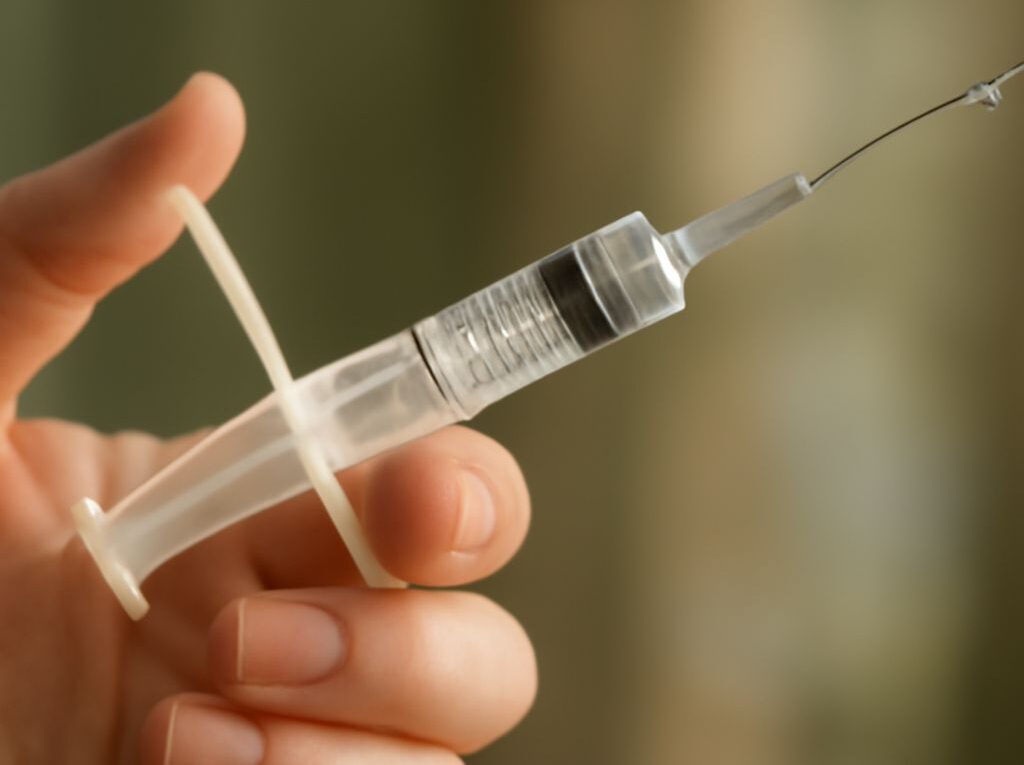
Understanding Needle Gauge and Syringe Sizes
Understanding needle gauge and syringe sizes is essential for anyone who deals with medical injections, whether in a clinical or at-home setting. This guide explores the intricacies of needle gauge, alongside interpreting syringe needle sizes and charts, to ensure the correct application for various medical needs.
What is Needle Gauge?
The term ‘needle gauge’ refers to the diameter of a needle. It is a critical factor in determining the flow rate and the patient’s comfort during an injection. Typically, needle gauges are measured in numbers, with lower numbers indicating a larger diameter. For instance, a 16-gauge needle is thicker than a 30-gauge needle, making it suitable for tasks like drawing blood or administering thicker fluids. Selecting the proper gauge is crucial for the effectiveness and comfort of the injection process.
Decoding the Needle Gauge Size Chart
A needle gauge size chart provides a comprehensive view of different needle diameters and their corresponding gauge numbers. For example, needles ranging from 25 to 30 gauge are often used for subcutaneous or intramuscular injections due to their thinner size, which minimizes discomfort. The chart is an essential tool for healthcare practitioners to ensure they choose the appropriate needle for specific procedures. Understanding this chart aids in selecting the right needle for the particular viscosity of the fluid being injected or the site of administration.
Understanding Syringe Needle Sizes
Syringe needle sizes encompass both the gauge and the length of the needle. The size of the needle required depends on the type of injection, the patient’s body type, and the medication being administered. For example, insulin injections typically use short, thin needles, whereas intramuscular injections require longer needles. The needle size impacts the depth of penetration and the dispersion of medication within the body. Choosing the correct size is vital to ensure effective delivery and minimize pain or injury during the injection.
Exploring the Syringe Sizes Chart
The syringe sizes chart is a helpful reference point, detailing the various syringe capacities and needle lengths. Common syringe sizes range from 0.5 mL for small doses to 60 mL for large-volume administrations. The syringe needle sizes within this chart help to match the correct needle length to the required dosage and injection type. For instance, a 1 mL syringe paired with a 25-gauge needle might be used for precise subcutaneous injections, while larger syringes with thicker needles might be used for drawing fluids or administering medications requiring deeper penetration. Understanding this chart ensures accurate dosage and enhances overall patient comfort and safety during injection.