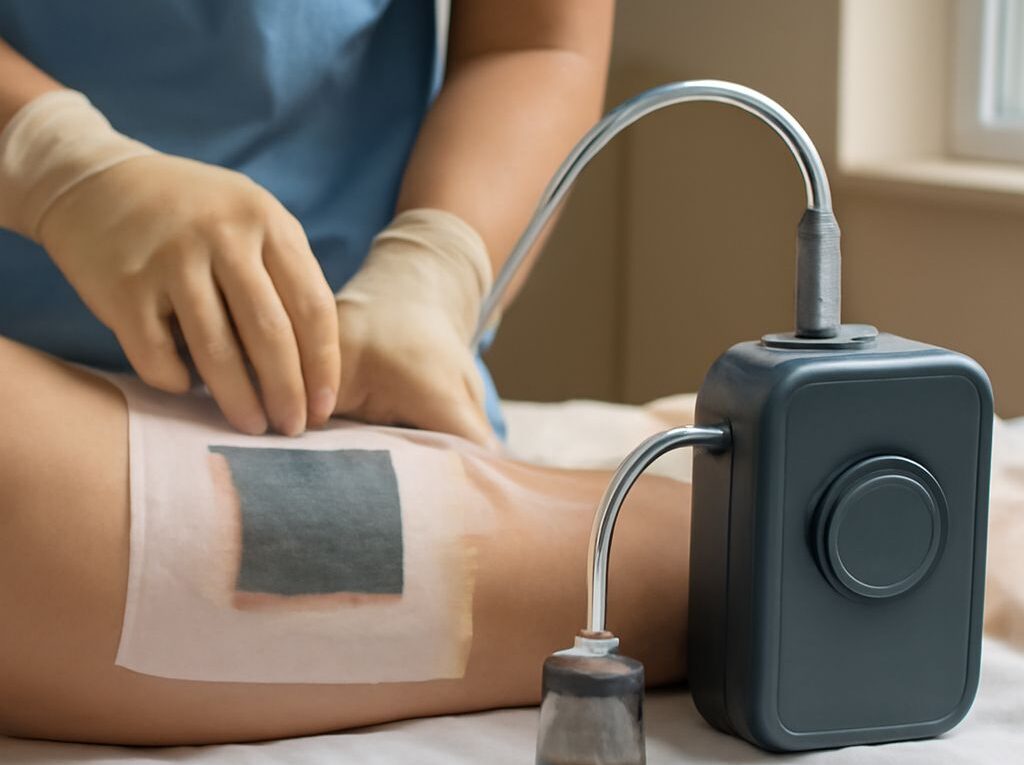
Understanding the Wound Vac Machine and Its Components
A wound vac machine is a medical device designed to help wounds heal more efficiently by creating a negative pressure environment. This therapy, known as Negative Pressure Wound Therapy (NPWT), is widely used in hospitals and care facilities to accelerate the healing process of chronic or acute wounds. The wound vac machine works by removing exudates and infectious materials, which promotes better blood flow to the area and aids in tissue regeneration.
What is a Wound Vac Machine?
A wound vac machine is a portable medical device that applies controlled negative pressure to a wound. This method helps to draw out fluid and infectious material from the wound bed, which can reduce swelling and promote the growth of new tissue. The key to its functionality is the ability to maintain a consistent vacuum seal over the wound area, ensuring continuous therapy.
Key Components: Wound Vac Dressing and Wound Pump
The wound vac machine consists of several essential components, including the wound vac dressing and wound pump. The wound vac dressing is a special type of dressing that covers the wound to create an airtight seal. It is typically composed of a foam or gauze material that conforms to the wound shape, allowing for effective air circulation and drainage.
The wound pump is the core element responsible for generating the negative pressure. It is a compact device that connects to the dressing via tubing. The pump continuously or intermittently applies suction, depending on the treatment plan devised by healthcare professionals. This negative pressure not only removes excess fluid and debris but also facilitates the drawing together of wound edges, significantly aiding the wound healing process.
How IoT Enhances Wound Monitoring
Recent advancements in the field of medical technology have integrated Internet of Things (IoT) capabilities into wound vac systems, enhancing their efficiency and ease of monitoring. IoT-enabled wound vac machines allow healthcare providers to remotely track the status of the wound and the machine’s operation in real-time. This real-time data collection and transmission enable timely interventions and adjustments to the treatment plan, ensuring optimal healing conditions are maintained consistently.
IoT technology also helps in maintaining compliance with treatment protocols by providing alerts and reminders for dressing changes and device maintenance. As a result, IoT-enhanced wound vac machines not only improve clinical outcomes but also contribute to higher patient satisfaction by minimizing the need for frequent hospital visits.