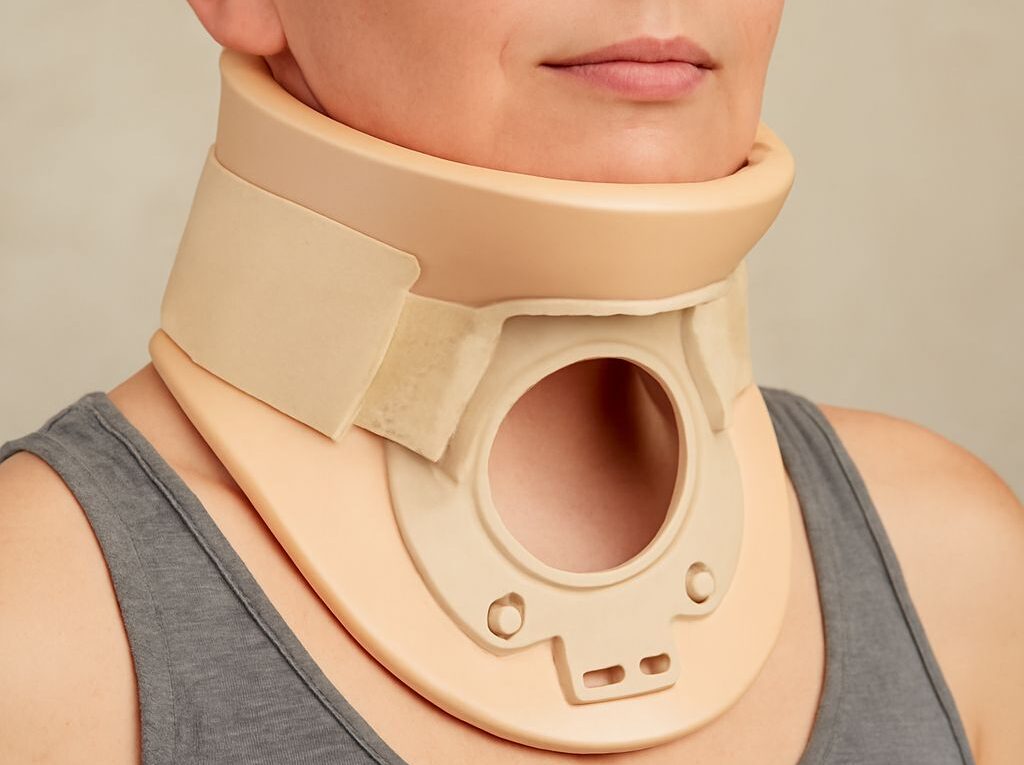
Understanding Neck Braces: A Guide to Cervical Support
Neck braces, also known as cervical collars or cervical braces, play a vital role in providing support and stabilization to the neck. They are commonly used in medical settings to help treat neck injuries, alleviate pain, and facilitate recovery. Understanding the various types of neck braces and their applications can help individuals choose the appropriate support for their specific needs.
What is a Neck Brace?
A neck brace is a medical device designed to support the cervical spine, limiting its motion and reducing strain on neck muscles and ligaments. Neck braces are often prescribed following a neck injury, surgery, or to relieve chronic neck pain. By restricting movement, they help prevent further injury and promote healing.
Types of Cervical Collars
Cervical collars come in various types, each serving different purposes based on the level of support required:
- Soft Cervical Collars: These are made of foam and provide minimal support. They are often used for minor neck strains or sprains.
- Rigid Cervical Collars: Typically constructed from hard plastic, these collars offer more substantial support. They are used in cases of moderate to severe neck injuries, such as fractures.
- Philadelphia Collars: A type of rigid collar with additional padding for comfort. They provide stability while allowing some degree of mobility.
- Sterno-Occipital Mandibular Immobilization Device (SOMI): This more complex brace provides extensive immobilization, often used for serious cervical spine injuries.
Choosing the Right Cervical Brace
Selecting the appropriate cervical brace depends on several factors, including the severity of the injury, the level of support needed, and the medical advice provided by a healthcare professional. It is crucial to consider the comfort level, as an uncomfortable brace may lead to improper usage. Consulting a medical professional can help determine the best type of brace for your situation.
Proper Usage of a Cervical Neck Brace
For a cervical neck brace to be effective, it must be used correctly. Here are some guidelines for proper usage:
- Follow Medical Advice: Always adhere to the instructions provided by your healthcare provider regarding the duration and manner of wearing the brace.
- Ensure Proper Fit: The brace should fit snugly without causing discomfort. A poorly fitted brace can compromise its effectiveness.
- Regularly Check for Adjustment: As your condition improves, the fit of the brace may need adjustment. Consult with your healthcare provider for any necessary modifications.
- Maintain Hygiene: Keep the brace clean and dry to prevent skin irritation. Regular cleaning as per manufacturer instructions is recommended.
Neck braces, including cervical collars and cervical neck braces, are essential tools in managing neck injuries and conditions. Understanding their types and correct usage can significantly impact recovery and comfort. Always consult a healthcare professional for guidance tailored to individual needs.