Understanding Stethoscopes: Price, Functionality, and History
The stethoscope is an indispensable tool in the medical field, crucial for diagnosing and monitoring various conditions. This article delves into the different aspects of stethoscopes, including their price, functionality, history, and modern uses. Understanding these elements can provide valuable insights into this essential medical device.
Stethoscope Price: What to Expect
The price of a stethoscope can vary significantly based on its type, brand, and features. Basic models, often used by medical students or for general-purpose usage, can start as low as $20 to $30. Mid-range stethoscopes, which may offer better acoustics and durability, typically range from $50 to $100. High-end models, favored by experienced physicians for their superior sound quality, can exceed $200. Brands like Littmann, ADC, and MDF Instruments are popular choices that offer a range of stethoscopes to suit different needs and budgets.
How Does a Stethoscope Work?
Basic Components
A stethoscope comprises several key components: the chest piece, diaphragm, bell, tubing, and earpieces. The chest piece is placed against the patient’s body and contains the diaphragm and bell, which pick up sound. The diaphragm is used for high-frequency sounds, while the bell is suitable for low-frequency sounds. The tubing transmits sound from the chest piece to the earpieces, which are designed to fit comfortably in the user’s ears.
Sound Transmission
The mechanism of sound transmission in a stethoscope relies on the principles of acoustics. When the chest piece is placed on a patient’s body, sound waves produced by the heart, lungs, or other organs cause the diaphragm to vibrate. These vibrations travel through the tubing and are amplified as they reach the earpieces. This amplification allows the healthcare professional to hear internal body sounds clearly, assisting in diagnosis and monitoring.
The Invention of the Stethoscope
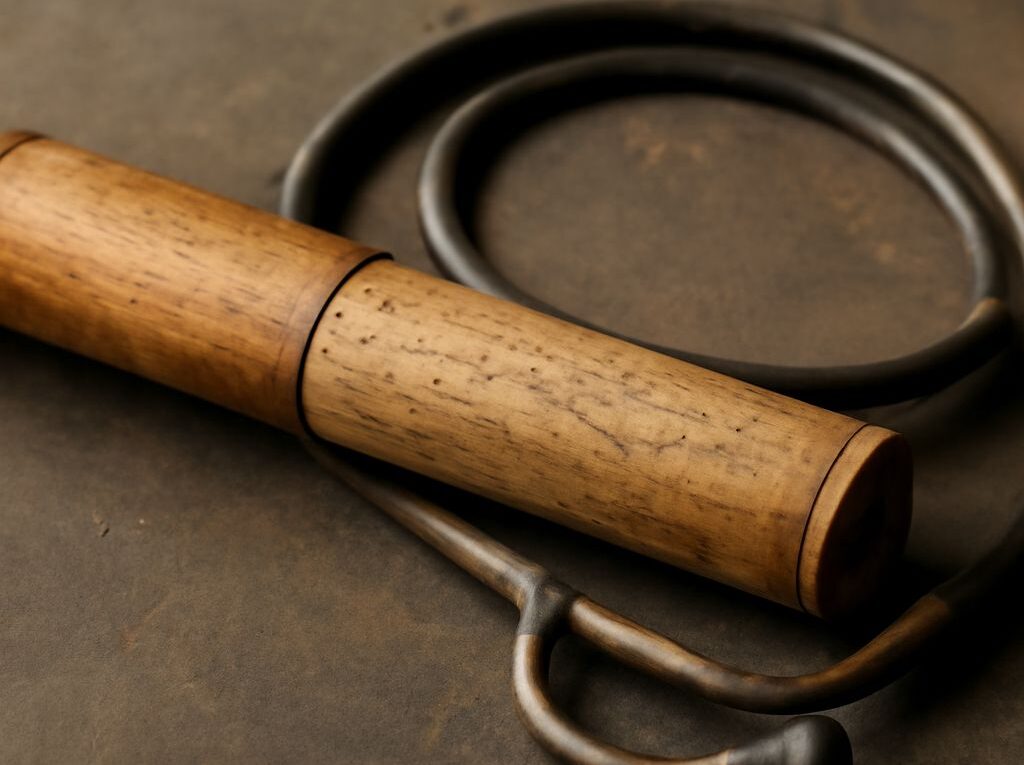
The stethoscope was invented in 1816 by French physician René Laennec. Initially, the device was a simple wooden tube that helped Laennec listen to heartbeats and lung sounds without needing to place his ear directly on the patient’s body. This invention marked a significant advancement in medical diagnostics, leading to the development of the modern stethoscope with flexible tubing and improved acoustic features.
Modern Uses of the Stethoscope
Today, the stethoscope is used in a variety of medical settings. It remains an essential tool for auscultation, the process of listening to the sounds of the heart, lungs, and other organs. In cardiology, stethoscopes are used to detect heart murmurs, irregular heartbeats, and valve abnormalities. In respiratory medicine, they assist in identifying lung diseases and assessing breath sounds. Beyond diagnostics, stethoscopes are used to monitor blood pressure and guide treatments. The advent of electronic stethoscopes has further enhanced their functionality, allowing for digital sound amplification and recording, which aids in telemedicine and remote consultations.