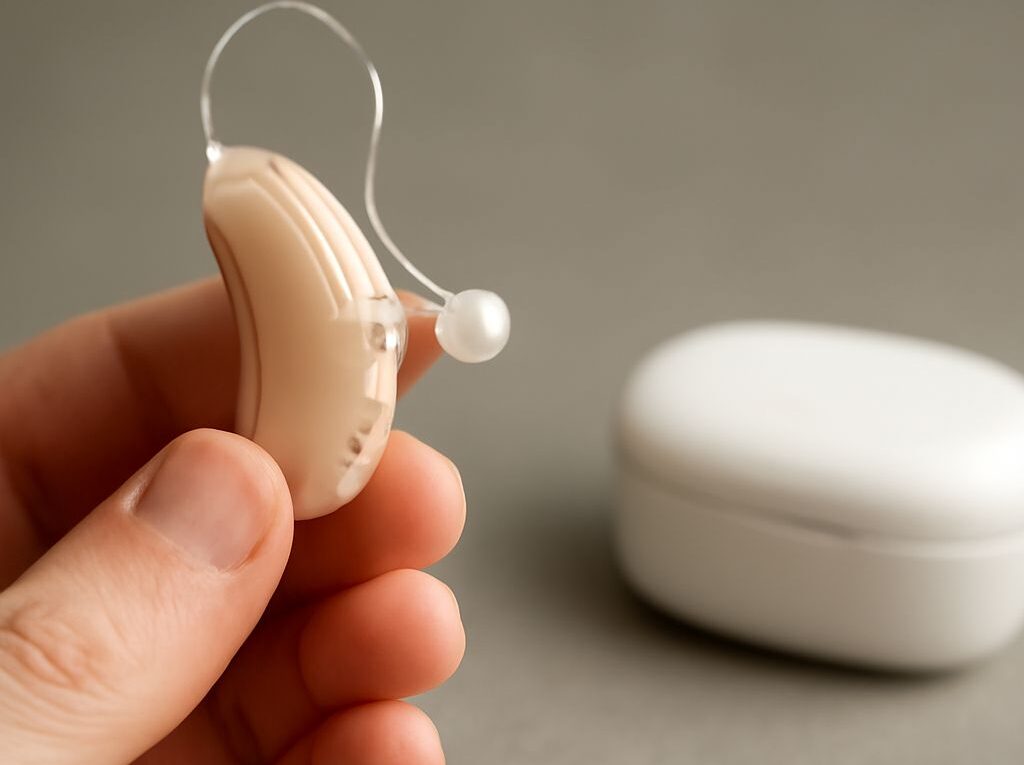
Exploring Invisible Hearing Aids: A Modern Solution
Invisible hearing aids are revolutionizing the way individuals with hearing loss experience daily life. These devices offer a discreet and effective solution for those who prefer their hearing aids to go unnoticed. Understanding the features, benefits, and comparisons with traditional in-ear hearing aids is essential for making an informed decision.
What Are Invisible Hearing Aids?
Invisible hearing aids are small devices that fit deep inside the ear canal, making them virtually undetectable to others. Designed for individuals with mild to moderate hearing loss, these devices are custom-made to fit the unique shape of a person’s ear canal. Their placement within the ear ensures a natural listening experience, as the outer ear can still naturally process sound.
Advantages of Invisible Hearing Aids
The primary advantage of invisible hearing aids is their discreet appearance, allowing users to wear them without them being noticed. This feature is particularly appealing to individuals who may feel self-conscious about using hearing aids. Additionally, the deep placement of these devices within the ear canal provides better sound localization and a more natural sound quality, as the outer ear fully contributes to the hearing process.
Another benefit is comfort. Because they are custom-fitted, invisible hearing aids reduce the chance of discomfort often associated with standard hearing aid designs. Users can engage in various activities, including using the phone or headphones, without interference from the hearing aid.
Comparing Invisible and In-Ear Hearing Aids
While both invisible and traditional in-ear hearing aids provide solutions for hearing loss, there are some key differences. Traditional in-ear hearing aids are more visible but can accommodate a broader range of hearing losses, from mild to severe. They tend to offer more features, such as Bluetooth connectivity and longer battery life, due to their larger size.
Invisible hearing aids, on the other hand, are best suited for mild to moderate hearing loss and are preferred for their discreetness. However, they may have fewer technological features compared to their larger counterparts. The choice between invisible and in-ear hearing aids often comes down to individual needs and preferences, considering factors like the degree of hearing loss, lifestyle, and desired features.
In conclusion, invisible hearing aids offer a modern solution for those seeking an unobtrusive way to improve their hearing. By understanding their advantages and differences from traditional in-ear hearing aids, individuals can make an informed decision that best suits their hearing needs.