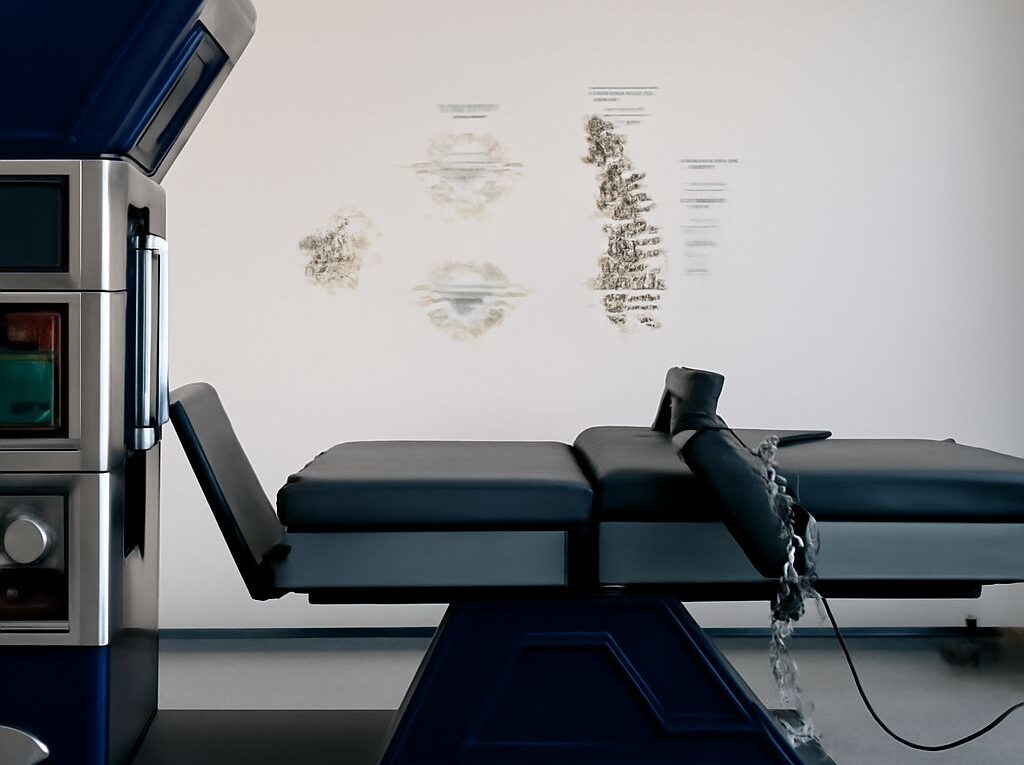
Understanding Back Decompression Machines
Back decompression machines have become a popular tool for individuals seeking relief from spine discomfort. These machines are designed to alleviate pressure on the spinal discs, which can help improve overall wellness. By using a back decompression machine, many individuals experience a reduction in pain and improved mobility. This article explores the fundamentals of back decompression machines, their operation, benefits, and how to select the right one for individual needs.
The Basics of Back Decompression Machines
Back decompression machines, also known as spine decompression machines, are devices that apply traction to the spine, creating a negative pressure within the spinal discs. This process is intended to relieve pain by reducing the pressure on compressed nerves and promoting the movement of healing fluids into the affected area. These machines can be used in both clinical settings and at home, making them accessible to a wide range of users.
How Spine Decompression Machines Work
Spine decompression machines work by gently stretching the spine. During a session, the user lies on the machine, which then applies a controlled force to the spine. This force can be adjusted based on user comfort and therapeutic goals. The traction creates a vacuum effect within the spinal discs, encouraging retraction of herniated or bulging discs and improving circulation within the spinal structures.
The procedure is non-invasive and typically lasts between 20 to 30 minutes per session. It is important for users to follow the recommended guidelines for usage to ensure optimal results and avoid potential injuries.
Benefits of Using Decompression Machines
Using a back decompression machine can offer several benefits, including:
- Pain Relief: Decompression helps reduce pressure on nerves, which can alleviate pain associated with conditions like herniated discs, sciatica, and degenerative disc disease.
- Improved Mobility: By reducing stiffness and increasing flexibility, these machines can help restore a greater range of motion.
- Non-Surgical Solution: For individuals seeking alternatives to surgery, back decompression machines provide a non-invasive option.
- Enhanced Healing: By promoting nutrient-rich fluid movement into the discs, these machines can aid in the healing process.
Choosing the Right Machine for Your Needs
When selecting a back decompression machine, it’s important to consider several factors to ensure it meets individual needs:
- Type of Machine: Decide between an inversion table, decompression chair, or a more advanced mechanical device based on personal preference and specific spinal conditions.
- Adjustability: Look for machines with adjustable settings to cater to different body sizes and levels of comfort.
- Ease of Use: Consider machines that are user-friendly and come with clear instructions or professional guidance.
- Budget: Determine a price range, as costs can vary significantly based on features and quality.
- Consultation with a Professional: Before purchasing, consulting with a healthcare provider or physical therapist can provide insight into which machine would be most beneficial.
With the right choice and proper use, back decompression machines can offer significant relief and contribute positively to spinal health.