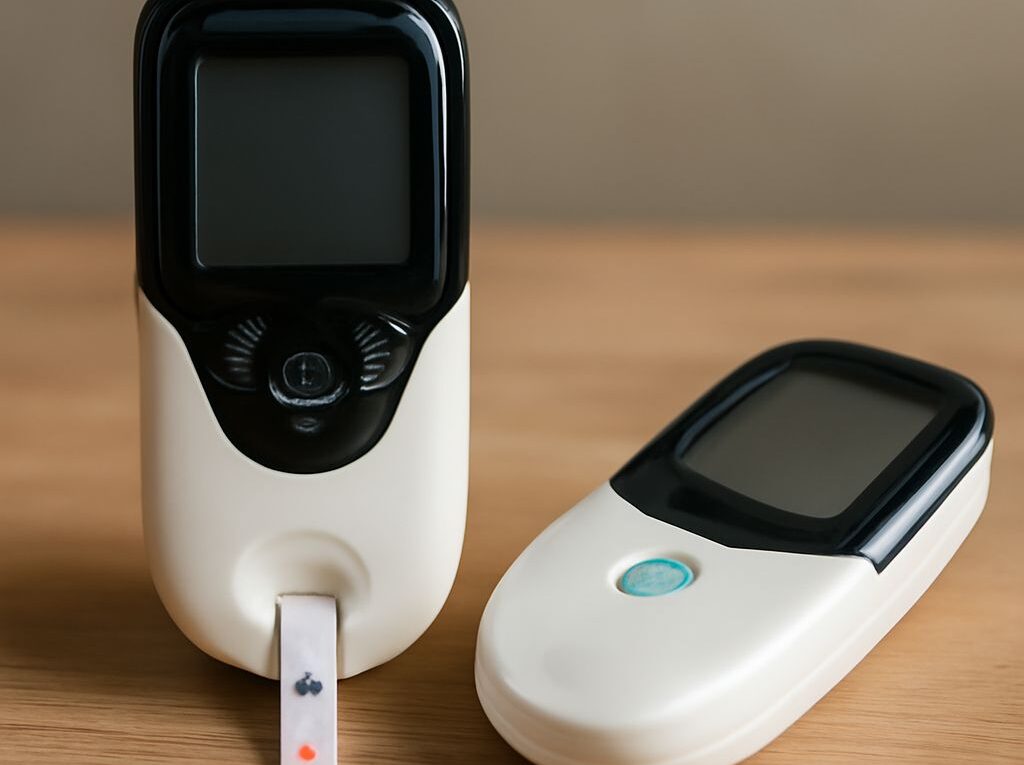
Understanding INR Machines for Home Use
INR machines have become an essential tool for individuals needing regular blood coagulation monitoring at home. These devices, also known as INR testers, provide a convenient and cost-effective way to manage health without frequent visits to a healthcare facility. Understanding how these machines work and their benefits can help users make informed decisions about using them at home.
What is an INR Machine?
An INR machine is a device used to measure the International Normalized Ratio (INR) in a person’s blood. INR is a standardized number that indicates how long it takes for blood to clot. This measurement is crucial for patients on anticoagulant therapies, such as warfarin, to avoid potential complications like bleeding or thrombosis. The machine provides quick and accurate results, allowing individuals to monitor their blood’s clotting tendency effectively.
How INR Machines Work
INR testing machines work by analyzing a small blood sample, usually obtained from a finger prick. The device measures the time it takes for the blood to clot and calculates the INR value. This process involves a test strip that contains reagents, which react with the blood to produce the necessary data. The machine then displays the INR result, allowing users to act based on their healthcare provider’s recommendations.
Choosing the Right INR Machine for Home Use
Selecting an appropriate home INR machine involves considering several factors. Firstly, ease of use is critical, as the device should be simple enough for non-medical users. Look for machines with clear instructions and intuitive interfaces. Secondly, accuracy and consistency of results are paramount, so opting for a model with a proven track record is advisable. Finally, consider the cost of both the device and the test strips, as frequent testing can add up over time. Some reputable brands offer models specifically designed for home use, providing a balance of affordability and reliability.
Benefits of Home INR Testing
Convenience
One of the primary advantages of using an INR tester at home is the convenience it offers. Patients no longer need to schedule regular visits to a healthcare facility, saving both time and effort. Home testing allows for flexible monitoring tailored to individual schedules, ensuring consistent management of anticoagulation therapy.
Cost Efficiency
Another significant benefit is cost efficiency. While the initial purchase of a home INR machine might seem expensive, it proves economical in the long run. By reducing the need for frequent clinic visits, patients save on travel expenses and potential consultation fees. Additionally, managing INR levels effectively at home can prevent costly complications from inadequate monitoring.