Understanding and Using Medical Wraps Effectively
Medical wraps are essential tools in first aid and medical treatments, offering support, compression, and protection to injured areas. Understanding their usage can significantly improve the effectiveness of first aid responses. This article explores the types of medical wraps, how to select the appropriate wrap bandage, and provides a step-by-step guide for applying first aid wraps.
What Are Medical Wraps?
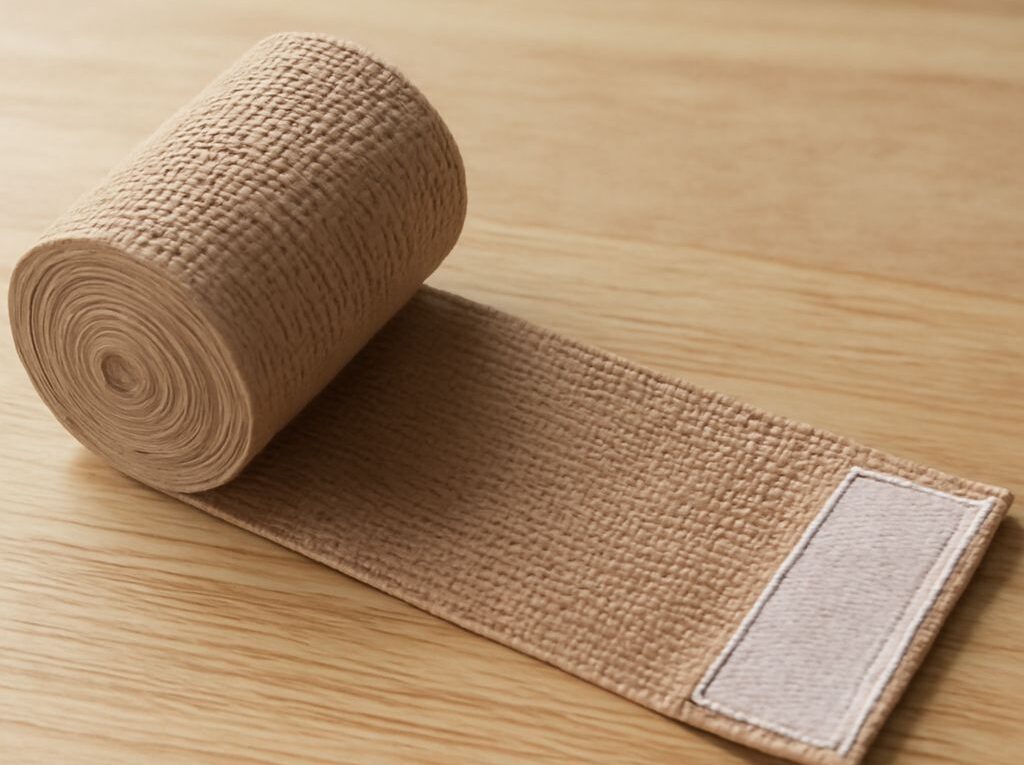
Medical wraps, often referred to as bandages, are flexible strips of material used to support and protect various body parts. They come in different types, including elastic bandages, compression wraps, and adhesive wraps. Elastic bandages are commonly used for sprains and strains, providing support to joints and muscles. Compression wraps help reduce swelling by applying pressure, making them ideal for limb injuries. Adhesive wraps offer convenience for securing dressings or providing light support.
Choosing the Right Wrap Bandage
Selecting the appropriate wrap bandage is crucial for effective treatment. Consider the type and severity of the injury, the body part affected, and the desired level of support. Elastic bandages are versatile, suitable for various injuries, while compression wraps are best for managing swelling. Adhesive wraps, on the other hand, are ideal for minor injuries needing light support or secure dressings. Choosing the correct bandage ensures optimal healing and comfort.
Step-by-Step Guide to Applying First Aid Wraps
Proper application of first aid wraps is important to ensure they perform effectively. Follow these steps to apply a wrap correctly:
- Clean the area: Before applying any wrap, ensure the injured area is clean and dry to prevent infection.
- Position the wrap: Start at the narrowest point of the body part, typically furthest from the heart, to encourage proper blood flow.
- Wrap firmly: Apply the wrap with firm but gentle pressure. Make sure it is snug, but not too tight to cut off circulation. You should be able to insert a finger under the wrap comfortably.
- Secure the wrap: Fasten the end of the wrap using clips or adhesive, ensuring it remains in place without slipping.
- Check for comfort: After application, ensure the wrap is comfortable and assess for signs of impaired circulation, such as numbness or tingling.
- Re-evaluate regularly: Periodically check the wrap, adjusting as necessary to maintain efficacy and comfort.
Medical wraps are versatile tools in first aid and injury management, offering support and protection when applied correctly. By understanding the types of wraps and their applications, you can effectively aid in the healing process, ensuring that injuries are managed properly.