Understanding C-Arm Machines in IoT Operations
C-arm machines have become integral to modern medical imaging, particularly in the context of IoT (Internet of Things) operations. These devices offer real-time imaging capabilities, which are essential in various diagnostic and surgical procedures. Understanding the functionality and advantages of C-arm machines can provide clarity on their role in medical imaging.
What is a C-Arm Machine?
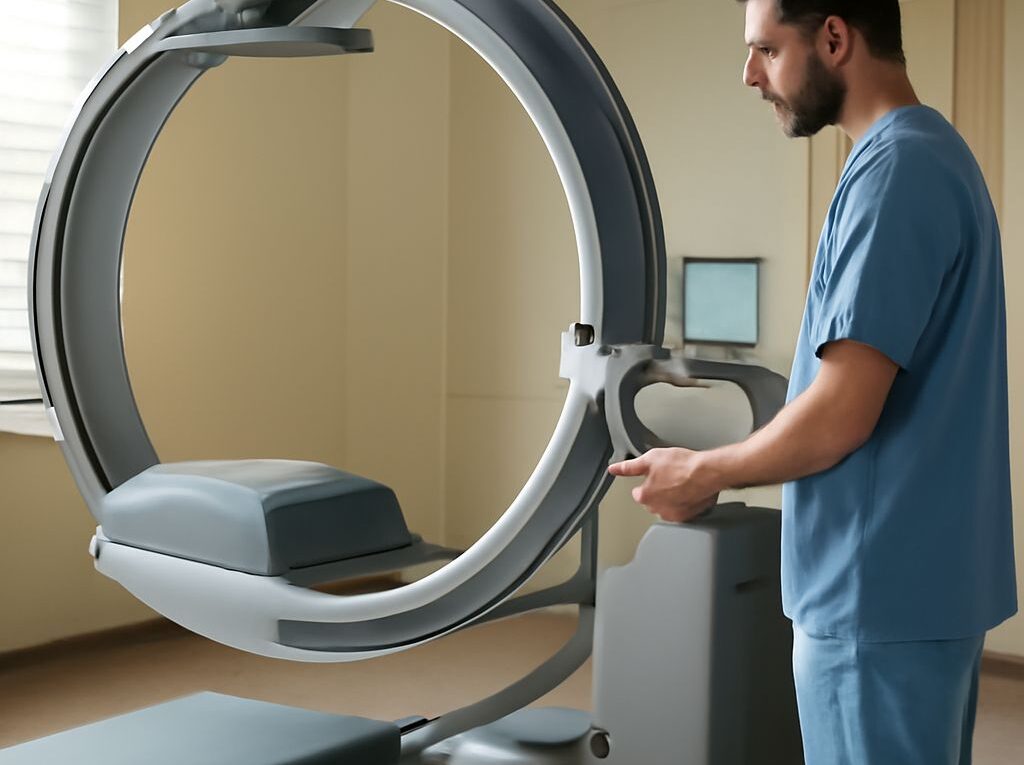
A C-arm machine is a medical imaging device that utilizes X-ray technology to produce real-time images. It is named for its C-shaped arm, which holds both the X-ray source and the detector. This design allows for flexible positioning around the patient, providing detailed images that are crucial during surgical procedures. C-arm machines are commonly used in orthopedic, cardiac, and vascular surgeries, where precision is paramount.
How C-Arm Machines Enhance IoT Operations
Incorporating C-arm machines into IoT operations revolutionizes how medical data is collected and analyzed. With IoT integration, these machines can seamlessly connect to hospital networks, enabling the immediate sharing and storing of images. This connectivity facilitates quicker decision-making and better patient outcomes. Additionally, IoT-enabled C-arm machines can be monitored remotely, allowing for predictive maintenance and reducing downtime.
Key Features of C-Arm Machines
- Real-Time Imaging: C-arm machines provide live images, allowing surgeons to adjust techniques mid-procedure based on immediate visual feedback.
- Flexibility and Mobility: The C-shaped arm allows for versatile movement around the patient, making it easier to capture images from various angles without repositioning the patient.
- High Image Quality: These machines offer high-resolution images, critical for accurate diagnosis and successful surgical outcomes.
- IoT Connectivity: C-arm machines can connect to hospital networks, facilitating the quick transmission and access to images across departments.
Considerations for Using C-Arm Machines
When implementing C-arm machines in medical settings, several considerations must be addressed. First, ensure compatibility with existing hospital network infrastructure to maximize the benefits of IoT integration. Additionally, staff training is crucial to leverage the full potential of these machines and ensure proper handling and maintenance. Consider the physical space and mobility requirements, as adequate room is necessary for maneuvering the C-arm around patients effectively. Lastly, attention must be paid to radiation safety protocols to protect both patients and healthcare providers.