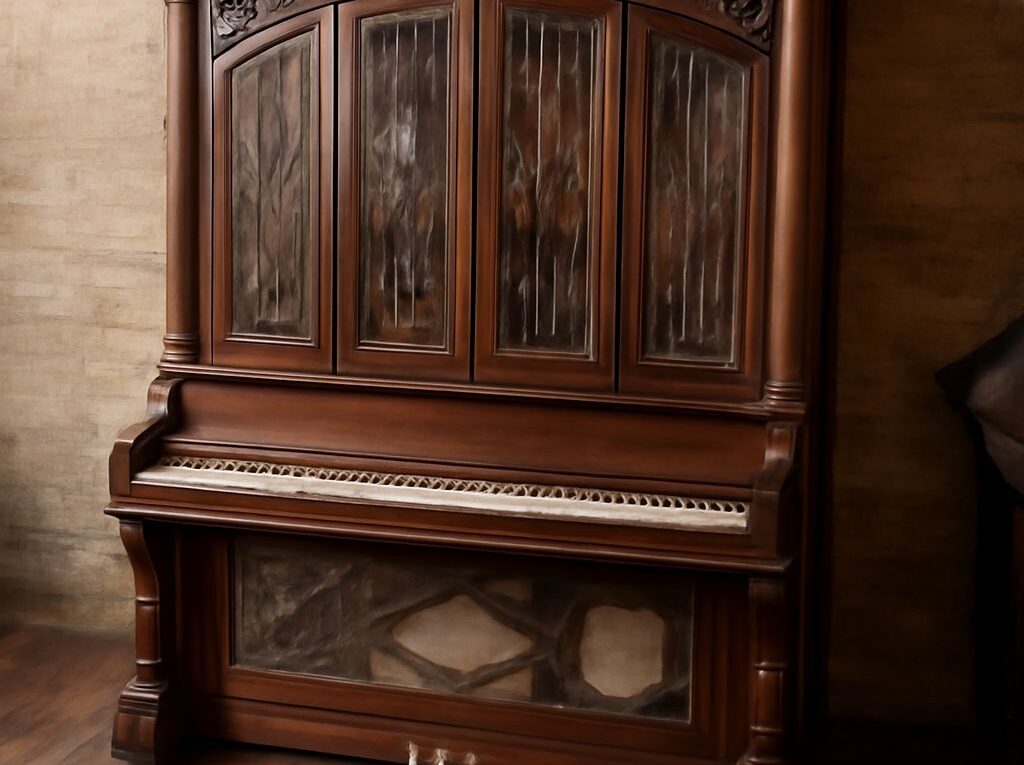
Understanding Player Pianos and Their Automation
Player pianos, also known as self-playing pianos, have intrigued music enthusiasts since their inception in the late 19th century. These fascinating instruments can play music automatically, providing an interactive experience that combines technology and artistry. In recent years, advancements in technology have revolutionized these instruments, making them more versatile and accessible. This article explores the mechanics of player pianos, the functionality of self-playing pianos, the significance of upright player pianos, and the impact of modern automation on these remarkable instruments.
What Are Player Pianos?
A player piano is a type of piano that can perform music automatically using pre-programmed data. Traditionally, these pianos operated through a system of pneumatic devices and paper rolls punched with perforations, which represented musical notes. As the roll moved over a reading system, the perforations allowed air to flow through, activating mechanisms that struck the piano keys and produced sound. This ingenious system enabled player pianos to simulate the performance of live pianists without any manual intervention.
How Do Self-Playing Pianos Work?
Self-playing pianos harness both traditional and modern technologies to create music autonomously. While early player pianos relied on pneumatic systems, contemporary self-playing pianos utilize digital technology. These modern instruments often incorporate MIDI (Musical Instrument Digital Interface) files instead of physical rolls. The MIDI files contain detailed instructions for key movement and dynamics, allowing precise control over the music’s performance. Built-in electronic sensors and actuators work together to replicate the touch and sound of a live performance, offering users an authentic and customizable musical experience.
The Role of Upright Player Pianos
Upright player pianos hold a unique place in the realm of self-playing instruments. Unlike their grand counterparts, upright player pianos are designed with a vertical structure, making them more compact and suitable for smaller spaces. This design does not compromise their capability to deliver a rich and resonant sound. Upright player pianos often serve as an excellent choice for homes and small venues, providing the classic charm of a traditional piano with the added convenience of automation. Their space-efficient design and affordability make them popular among music lovers seeking a balance between functionality and aesthetics.
Modern Automation in Player Pianos
Advancements in modern automation have significantly enhanced the capabilities of player pianos. New technologies allow these instruments to integrate seamlessly with digital devices, enabling users to control playback via smartphones, tablets, or computers. This connectivity opens up a world of possibilities, such as accessing vast libraries of songs online, downloading new music instantly, and even customizing performances to suit personal preferences. Additionally, modern player pianos can record performances, offering musicians the ability to review and improve their playing skills. These innovations have transformed player pianos from mechanical marvels into versatile instruments that cater to the evolving needs of today’s musicians and music enthusiasts.