Understanding PICC Lines vs Central Lines
In the medical field, understanding the difference between a PICC line and a central line is crucial for appropriate patient care. Both are types of central venous catheters used to deliver medications, nutrients, and other therapies directly into a patient’s bloodstream. However, each has distinct features and specific use cases.
What Are PICC Lines and Central Lines?
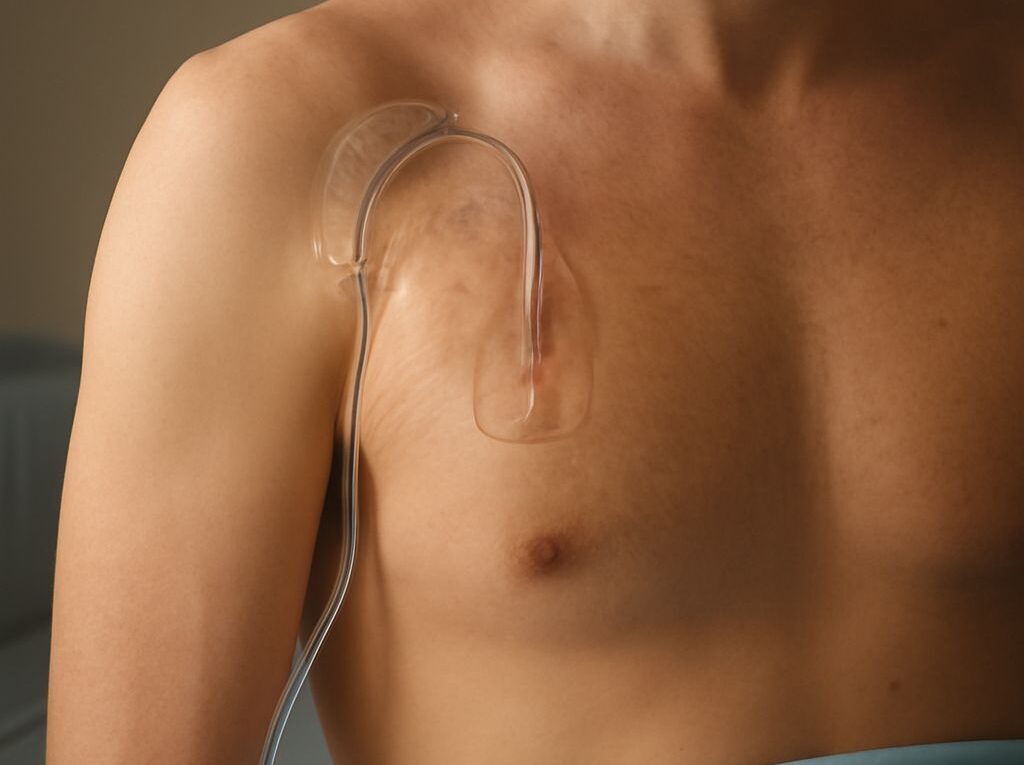
A Peripherally Inserted Central Catheter (PICC) line is a long, thin tube inserted through a peripheral vein, usually in the arm, and advanced until its tip reaches a large central vein near the heart. Central lines, on the other hand, are broader in concept and can be inserted directly into larger veins in areas such as the neck, chest, or groin.
Key Differences Between PICC Lines and Central Lines
One primary difference between PICC line and central line placement is their entry point. PICC lines are inserted through smaller peripheral veins, making them less invasive. Central lines access larger veins directly and are more suitable for emergency situations due to their quicker insertion. Additionally, PICC lines are typically used for longer-term intravenous therapy lasting weeks to months, whereas central lines are often preferred for shorter-term or more intensive treatments.
Advantages of Using PICC Lines
PICC lines offer several advantages, particularly their minimally invasive nature. Since they are placed in a peripheral vein, there is generally less risk of complications such as pneumothorax, which can occur with central line insertion. They are also ideal for patients requiring prolonged intravenous therapy at home, as they can remain in place for extended periods. Moreover, PICC lines have a lower infection risk compared to central lines, making them a safer option for long-term use.
When to Choose a Central Line
Central lines are often chosen in situations requiring rapid administration of fluids or medications, such as in emergency or critical care scenarios. They provide direct access to the central circulation, allowing for faster delivery of treatments. Central lines are also beneficial for patients who need multiple medications or those with poor peripheral venous access. Their placement directly into larger veins can accommodate a higher volume of fluids and larger catheters, which is essential for certain medical protocols.