Understanding Vinyl Record Dimensions
Vinyl records have made a remarkable comeback, appealing to both audiophiles and collectors. Understanding vinyl record dimensions is crucial for anyone looking to build or maintain a collection. The size of a vinyl record not only affects storage space but also influences sound quality and playback time.
Standard Vinyl Record Sizes
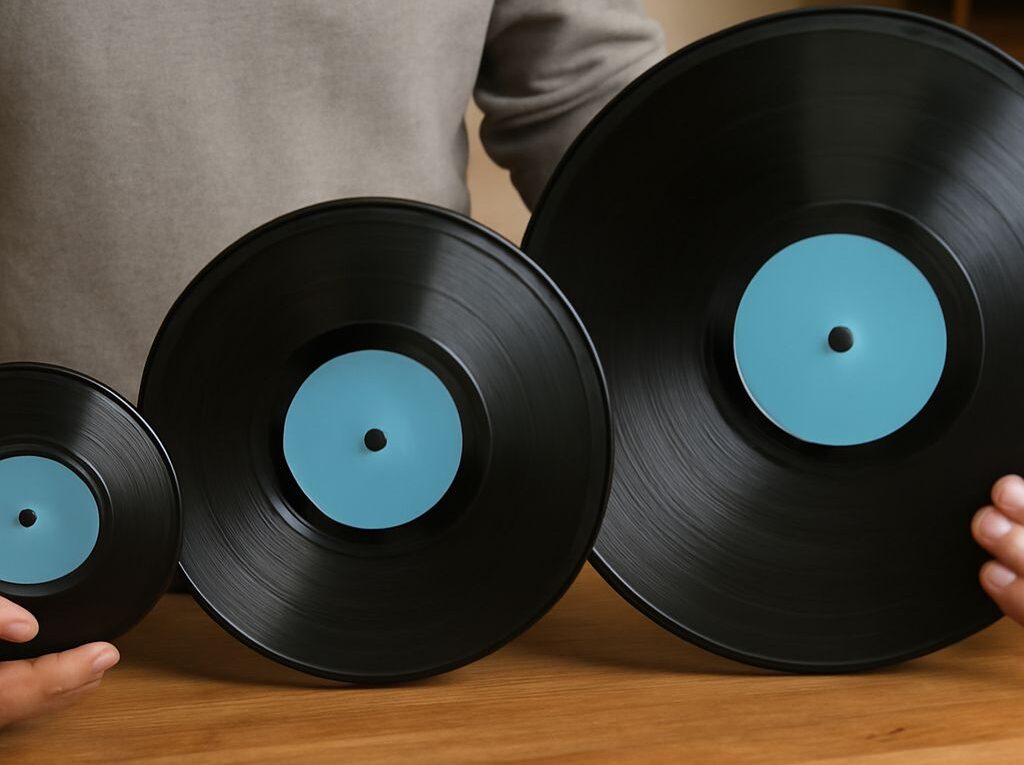
The standard vinyl size typically falls into three main categories: 7-inch, 10-inch, and 12-inch records. Each size serves a distinct purpose and offers different playback experiences:
- 7-inch vinyl: Often used for singles, this size typically holds around 4-6 minutes of audio per side. It’s ideal for individual songs or short pieces, making it popular for limited releases and promotional singles.
- 10-inch vinyl: Less common, the 10-inch record is often used for EPs, holding about 12-15 minutes per side. Its larger size allows for slightly better sound quality compared to the 7-inch.
- 12-inch vinyl: The most common vinyl record size for full-length albums, offering approximately 22-30 minutes of audio per side. This size is preferred by artists for its superior sound quality and longer playback time.
How Vinyl Size Affects Sound Quality
The vinyl size directly impacts sound quality due to the groove spacing and rotation speed. Larger records, like 12-inch vinyl, typically provide better sound quality. This is due to wider grooves, which allow for more detailed sound reproduction.
The rotation speed, measured in revolutions per minute (RPM), also influences audio fidelity. Standard speeds include 33 1/3 RPM, commonly used for 12-inch albums, and 45 RPM, often used for 7-inch and some 12-inch records. A higher RPM generally offers better sound quality but reduces the total playback time.
Choosing the Right Vinyl Size for Your Collection
Selecting the right vinyl record dimensions depends on several factors, including personal preference, storage space, and the type of music. Here are some considerations to help guide your choice:
- Music type: If you prefer singles or have a penchant for rare tracks, 7-inch records offer a compact solution. For a broader collection, 12-inch albums provide comprehensive listening experiences.
- Sound quality: Audiophiles seeking the best sound quality may prefer 12-inch records due to their superior audio fidelity. However, a 7-inch or 10-inch record may suffice for casual listening.
- Storage space: Consider the available space for storing your collection. While 12-inch records are bulkier, they are often the centerpiece of any collection. For limited space, 7-inch records can offer a more manageable alternative.
The choice of vinyl record size ultimately hinges on the balance between sound quality, music type, and storage considerations, ensuring an enjoyable listening experience tailored to individual preferences.