Why Are MRIs So Loud? Understanding the Noise
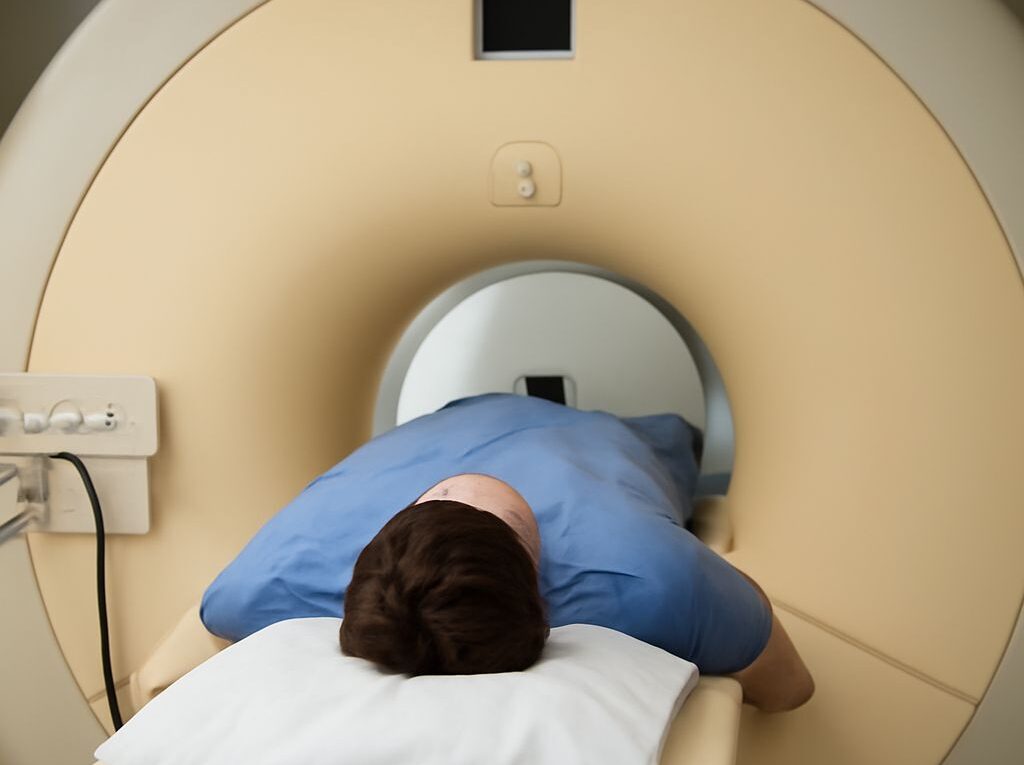
MRI machines are essential tools in modern medicine, providing detailed images of the body’s internal structures. However, a common question among patients is: why are MRIs so loud? Understanding the reasons behind the noise can help alleviate some of the apprehensions associated with the procedure.
The Science Behind MRI Noise
The loud sounds produced by MRI machines are primarily due to the technology involved in capturing detailed images. MRI, or Magnetic Resonance Imaging, utilizes a strong magnetic field and radiofrequency pulses to generate images. When the current flows through the gradient coils, they produce a rapidly changing magnetic field. This causes the coils to vibrate, generating the characteristic loud knocking noises. The design and intensity of this process are crucial for obtaining high-resolution images.
Components That Contribute to the Sound
Several components within the MRI machine contribute to its loudness. The primary sources of noise include:
- Gradient Coils: As mentioned, these coils are responsible for spatial encoding of the MRI signal and produce the most significant noise when they vibrate.
- Main Magnet: While the magnet itself is silent, its powerful magnetic field is integral to the operation of the gradient coils, indirectly contributing to the noise.
- Cooling Systems: The cooling systems used to maintain the machine’s optimal temperature can also add to the ambient noise.
How to Manage the Noise During an MRI
Although the noise from an MRI machine is unavoidable, there are several strategies that patients can use to manage the experience:
- Ear Protection: Patients are usually provided with earplugs or noise-canceling headphones to reduce the impact of the sound.
- Music or Guided Meditation: Many MRI facilities offer the option to listen to music or guided meditation tracks through headphones, providing a distraction from the noise.
- Communication: Technicians often provide a panic button for patients to communicate discomfort or anxiety during the scan.
- Preparation: Being informed about the process and knowing what to expect can significantly reduce anxiety, making the noise more bearable.
By understanding why MRI machines are so loud and utilizing available coping strategies, patients can have a more comfortable scanning experience.