Understanding Twinax Cables in Private Wireless Networks
Twinax cables, often referred to as Twinax, play a crucial role in modern networking, especially within private wireless networks. These cables are known for their durability and efficient data transfer capabilities, making them a preferred choice in various applications. This article explores the fundamentals of twinax cables, their benefits, how they compare to other types of Ethernet cables, and their applications in private wireless networks.
What Are Twinax Cables?
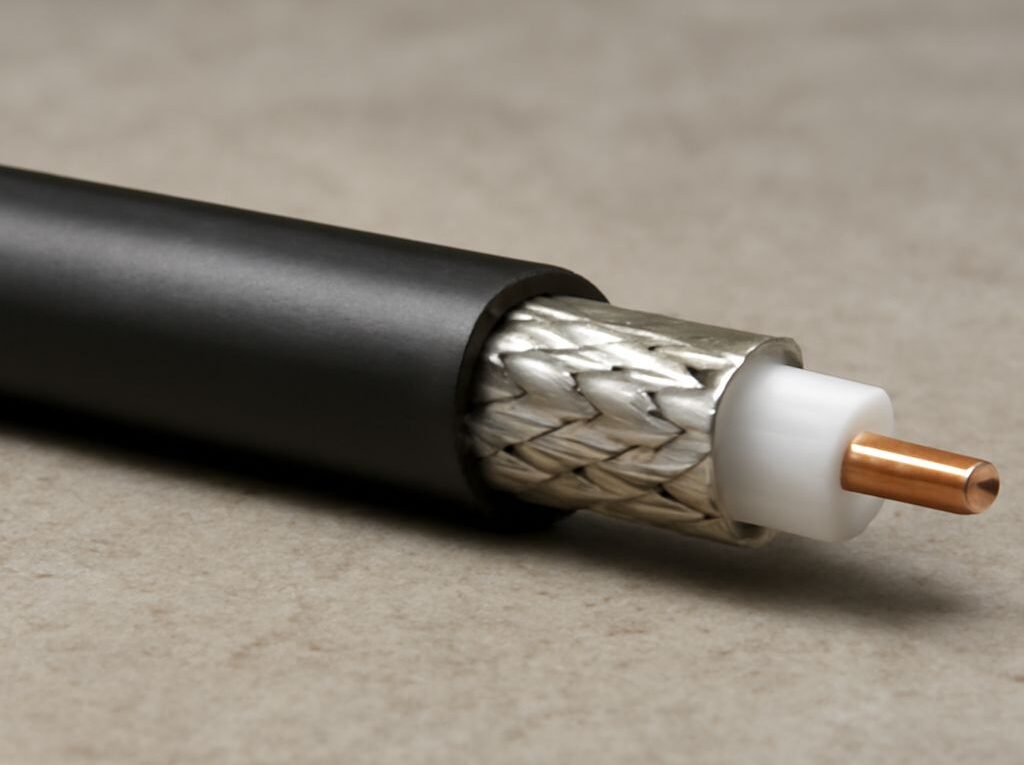
Twinax cables consist of two inner conductors that are insulated and twisted together, surrounded by a shielding layer and an outer insulating layer. This unique design allows them to carry high-frequency signals over short distances with minimal interference. Originally developed for IBM systems, twinax cables have evolved to support various networking environments, providing fast and reliable connections.
Benefits of Using Twinax Cables
One of the primary advantages of twinax cables is their ability to maintain signal integrity over short distances, which is essential for high-speed data transfers. The shielding in twinax cables reduces electromagnetic interference, ensuring a stable and consistent connection. Additionally, they are more cost-effective compared to fiber optics for certain applications, offering a balance between performance and affordability.
Twinax Cables vs. Other Ethernet Cables
When comparing twinax cables to other Ethernet options, such as Cat5e, Cat6, or fiber optics, several factors come into play. Twinax cables are typically used for short-distance connections due to their limited range but offer high-speed data transfer rates comparable to fiber optics. Unlike Cat5e or Cat6, twinax cables provide a more robust shielding, minimizing data loss and interference. However, fiber optics remain the superior choice for long-distance connections, although they are often more expensive.
Applications in Private Wireless Networks
In private wireless networks, twinax cables are commonly used to connect network switches and storage devices within data centers. Their ability to handle high bandwidth makes them suitable for applications requiring rapid data processing and transmission. Additionally, twinax cables are often employed in environments where space is limited, and a compact cabling solution is needed.
Overall, twinax cables offer a reliable and economical option for short-distance, high-speed networking needs within private wireless networks. Their robust construction and performance make them a valuable component in modern network infrastructures.