Soprano Saxophone: A Complete Guide for Beginners and Enthusiasts
The soprano saxophone stands out as the highest standard member of the saxophone family often used in jazz, classical, and contemporary music. Its bright, penetrating sound and unique design set it apart from the more common alto and tenor saxophones. Whether you are a beginner or a seasoned saxophonist, learning about the soprano sax, its distinctive characteristics, and how to choose the right model can help you make informed decisions and get the best playing experience.
What is a Soprano Saxophone?
The soprano saxophone is a woodwind instrument in the saxophone family, typically pitched in the key of B♭. Unlike its larger relatives, such as the alto and tenor saxophones, the soprano sax is more compact and produces higher notes. It is most easily recognized by its slender, straight body, although some versions are also made with a curved design. The most iconic image of a soprano saxophone is the straight saxophone, which resembles a brass clarinet in shape.
This instrument was invented by Adolphe Sax in the 1840s as part of a larger family of saxophones. Its range usually extends from written B♭3 to F6, allowing for expressive melodies and agile improvisation. While the soprano saxophone is less common in school bands, it has an important role in jazz, chamber music, and solo repertoire.
Popular among both classical and jazz musicians, the soprano saxophone requires a well-developed embouchure due to its sensitivity to pitch and tone variation. Notable soprano saxophonists include Sidney Bechet, John Coltrane, and Kenny G, each contributing to its rise in popularity and versatility.
The Unique Sound and Role of the Soprano Sax
The soprano saxophone is celebrated for its bright, clear, and expressive sound. Its tone can be piercing and vibrant or warm and lyrical, depending on the player’s technique and the type of mouthpiece and reed used. Among saxophones, the soprano’s timbre is closest to that of an oboe or clarinet, but with its own unique saxophone character—making it a favorite for solo passages that need to stand out in a mix.
In jazz ensembles, the soprano sax often plays the melody or improvises solos, cutting through the sound of other instruments thanks to its register. Its presence can also be heard in classical saxophone quartets, film scores, and world music. The instrument’s agility and high range make it suitable for fast, expressive runs, as well as for delivering emotional ballads.
Compared to the deeper, more robust sound of the tenor or alto saxophone, the soprano saxophone brings a distinct, almost vocal quality to the ensemble. This allows arrangers and composers to exploit its voice for contrast and emphasis within a broader saxophone section or mixed-instrument group.
Straight Saxophone vs Curved Soprano Sax: What’s the Difference?
One of the first decisions a player faces is whether to choose a straight saxophone or a curved soprano sax. While both designs function identically in terms of fingerings and pitch, their shape influences the playing experience and to a lesser degree, the sound projection.
The straight saxophone is the traditional and most visually recognizable form of the soprano saxophone. Its straight body allows for direct airflow, which some players feel leads to a clearer, more focused tone. It is also more common in professional settings and studio recordings, and is favored for its ease of handling during standing performances.
The curved soprano sax has a body and bell shaped more like a miniature alto saxophone. Some musicians find the curved design more comfortable for longer sessions because the instrument sits closer to the body. The bell angle can make it easier to hear oneself while playing, and some players believe the curved body can slightly mellow the sound. However, these differences are subtle, and many players choose based on comfort and aesthetics rather than performance.
Choosing Your First Soprano Saxophone: Key Tips
Selecting a soprano saxophone as a first-time buyer involves several important considerations. Beginners should look for a model that offers reliable intonation, comfortable keywork, and solid construction. Leading brands for student and intermediate models include Yamaha, Jupiter, and Jean Paul, while advanced players may explore Selmer, Yanagisawa, and P. Mauriat soprano saxes for their professional features.
When shopping for a soprano saxophone, test both straight and curved designs if possible to determine which feels more comfortable and natural to hold. Pay attention to the smoothness of the key action, the quality of pads and springs, and the finish of the instrument. Mouthpiece and reed selection also make a significant impact on playability and sound, so beginners may benefit from starting with the mouthpiece provided by the manufacturer and experimenting as their skills progress.
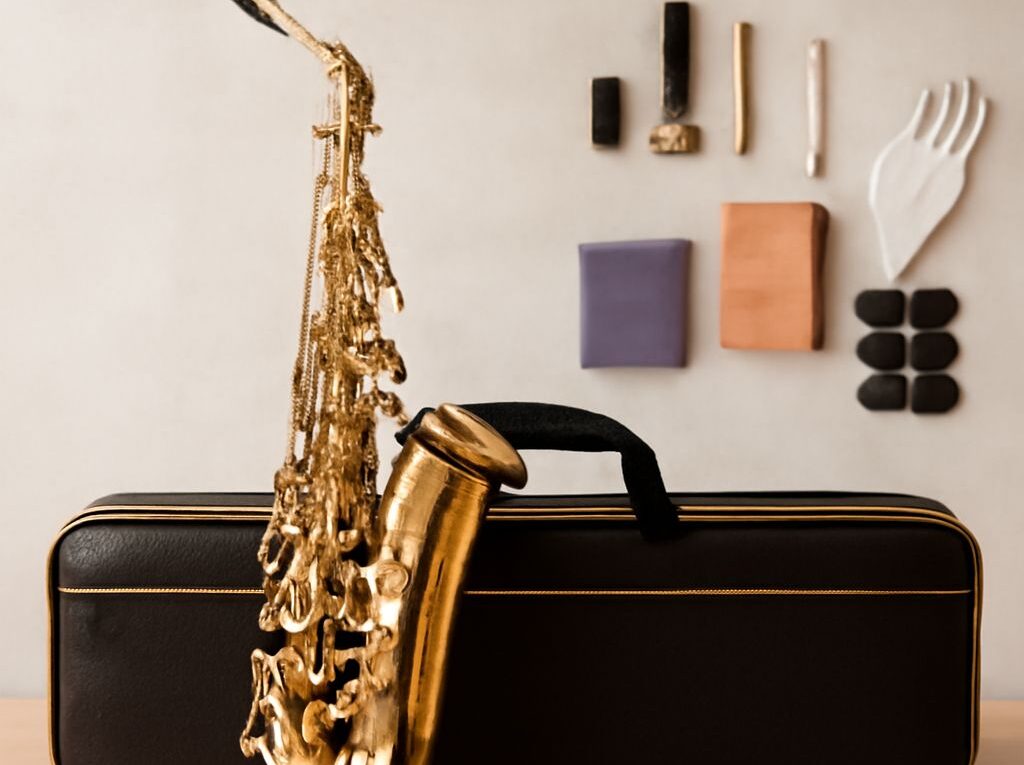
Finally, consider whether the instrument comes as part of an outfit that includes a sturdy case, neck strap, cleaning swabs, and beginner reeds. Investing in these accessories upfront will support better maintenance and a smoother learning process as you get started with the soprano saxophone.