How to Choose the Best Home Pulse Oximeter
A home pulse oximeter is a compact device that provides a quick and non-invasive way to monitor blood oxygen saturation (SpO2) and pulse rate. As more people seek to track their health from home, choosing the right oximeter ensures accuracy and reliability. This guide outlines what a home pulse oximeter does, the features that matter most, the best options for typical users, and what nurses should prioritize when selecting one for clinical or professional use.
What is a home pulse oximeter and how does it work?
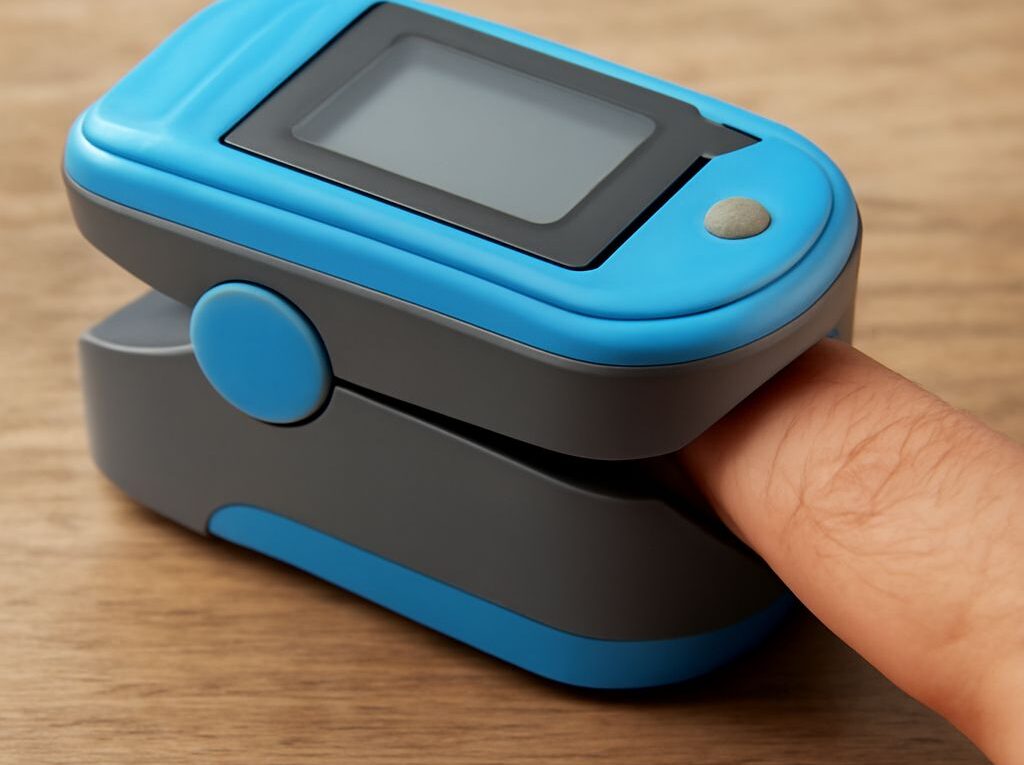
A home pulse oximeter is a small, battery-powered device designed to measure the percentage of oxygen in the blood, known as SpO2, and the pulse rate. Most models are fingertip-style, where you simply insert a finger and wait a few seconds for the readings to appear on a digital screen. The device works using photoplethysmography, emitting light through the finger and measuring how much is absorbed by oxygenated versus deoxygenated blood.
This technology is safe and painless, requiring no blood draws or invasive procedures. Home pulse oximeters are especially useful for individuals managing chronic respiratory conditions, such as COPD or asthma, and for anyone wanting to monitor their oxygen levels during illness or physical activity. The display typically shows SpO2 in percentage form (usually 95–100% is considered normal in healthy adults) and pulse rate in beats per minute.
Accuracy and ease of use are primary reasons for the popularity of home pulse oximeters. While they are not a substitute for medical advice, they provide valuable information that can prompt timely intervention or reassurance in daily health management.
Models designed for home use usually run on AAA batteries, are portable, and require minimal setup. Some advanced devices also store recent readings or connect to smartphones for tracking over time.
Key features to look for when buying a home pulse oximeter
Accuracy is the most important factor when selecting a home pulse oximeter. Look for units that are FDA-cleared or display clinical validation in their documentation. Accuracy is typically within ±2% for both SpO2 and pulse rate, but reputable manufacturers will provide this specification clearly.
Display readability is also significant. Choose a device with a bright, easy-to-read OLED or LED screen that works well in various lighting conditions. Some screens rotate or adjust brightness automatically for increased convenience during use.
Response time and ease of operation matter for both home users and medical professionals. A good home pulse oximeter delivers reliable results within 5–10 seconds and requires only a single button to operate. Battery life should also be considered, especially if frequent monitoring is needed—seek devices that last at least several weeks on a pair of batteries.
Additional features to consider include memory recall for tracking historical readings, compatibility with app-based data tracking, and alarms for low oxygen or irregular pulse rate detection. While not essential, a lanyard or carrying case can add convenience for on-the-go use.
Top-rated home pulse oximeters for everyday use
Some of the best-performing home pulse oximeters currently available include the Nonin Onyx Vantage 9550, Zacurate Pro Series 500DL, and Innovo Deluxe iP900AP. These devices are consistently recommended for their accuracy, durability, and ease of use.
The Nonin Onyx Vantage 9550 is a medical-grade option favored for its reliability and long battery life, making it ideal for both home users and professionals. The Zacurate Pro Series 500DL offers a large, backlit display and fast results, along with accurate SpO2 readings validated in independent tests. The Innovo Deluxe iP900AP stands out for its plethysmograph and perfusion index feature, allowing users to better assess result quality and finger placement, which boosts confidence in each reading.
These models are suitable for most adults and children, but always check the manufacturer’s specifications for minimum finger size and device limitations. Pricing typically ranges from $20 to $200, with added features and clinical accuracy increasing the cost.
For frequent or critical monitoring, investing in a model with FDA clearance and positive clinical reviews is recommended. User reviews and professional endorsements can provide further assurance that the device performs as claimed in real-world conditions.
What nurses should consider when choosing a pulse oximeter
Nurses rely on accurate, fast readings in varied environments, so the best pulse oximeter for nurses should meet higher standards than a basic consumer model. Clinical validation, durability, and infection control are key considerations. Devices like the Nonin Onyx Vantage 9550, Masimo MightySat, and the ChoiceMMed MD300C2 are widely used in healthcare settings for their reliability and robust construction.
Medical professionals may also require devices that can handle frequent cleaning and disinfection, as well as those with replaceable or rechargeable batteries for continuous use during a shift. Memory functions to track patient readings, alarms for abnormal values, and compatibility with electronic health records can further enhance workflow efficiency.
Portability and fast response time are essential in busy clinical environments. Lightweight devices with secure clips or lanyards ensure nurses can carry them easily between patients. High-contrast displays and clear signal indicators reduce the risk of misreading results under pressure.
Choosing the best pulse oximeter for nurses means balancing accuracy, ease of use, and resilience in demanding conditions. Prioritizing these features ensures both patient safety and clinical efficiency.