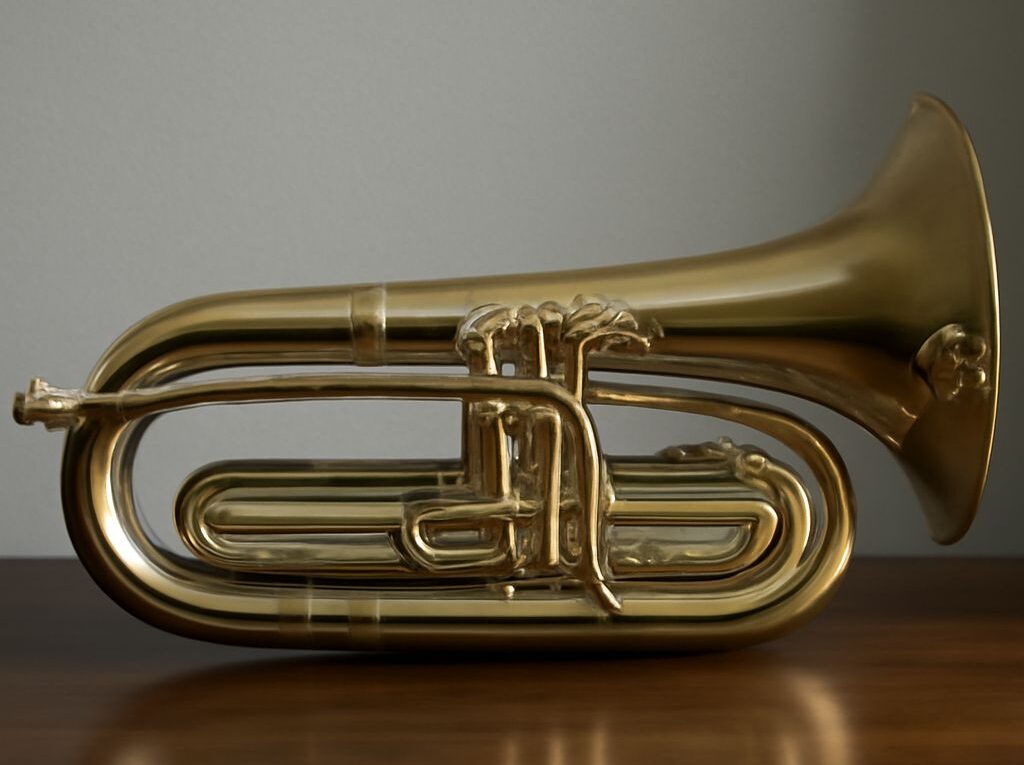
Baritone Instrument: Everything You Need to Know
The baritone instrument occupies a unique place in the brass family—larger than the trumpet yet more compact than the euphonium or tuba. Known for its rich, mellow sound, the baritone is a popular choice in concert bands, brass bands, and school ensembles. This article covers the essentials of the baritone instrument, including its main features, the specialized baritone horn, and practical guidance for players and purchasers.
What Is a Baritone Instrument?
A baritone instrument is a low brass wind instrument pitched in B♭, delivering a sound that bridges the gap between the trombone and euphonium. Its name comes from the term “baritone,” meaning “deep-sounding” or “between bass and tenor.” The baritone is a valved instrument, typically played with a cup-shaped mouthpiece, and is known for its versatile role in both melody and harmony within ensembles.
The baritone’s physical design resembles a smaller tuba but is more cylindrical in bore, which gives it a brighter, more focused tone compared to the euphonium’s warmer sound. Standard models have three or four piston valves, allowing musicians to play a wide range of notes across approximately two and a half octaves.
Baritone instruments are most common in brass bands, wind ensembles, and marching bands. Their ability to blend well with other brass instruments while still standing out for solos makes them an essential part of the low brass section.
Key Features and Types of Baritone Instruments
The defining feature of a baritone instrument is its bore shape and size. Most baritones have a predominantly cylindrical bore—meaning the tubing remains a consistent diameter for most of its length—before flaring out into the bell. This design contributes to the instrument’s characteristic timbre: brighter than a euphonium, but darker than a trombone.
Baritone instruments typically come in two main types: the British-style baritone horn and the American-style baritone. The British baritone horn, commonly found in brass bands, is slightly smaller and has a more pronounced cylindrical bore, giving it a distinctive sound. The American baritone, sometimes called simply “baritone horn” in the U.S., is often built to be more robust and can have a slightly larger bell or more conical bore, depending on the manufacturer.
Key features to look for in a baritone include:
- Number of Valves: Student baritones often have three valves, while professional models may include a fourth valve for extended range and better tuning.
- Bore Size: Standard bore sizes range from 0.515” to 0.590”, affecting both resistance and tonal color.
- Mouthpiece: The cup depth and rim shape will influence comfort and sound quality.
- Finish: Most baritones are lacquered brass or silver-plated, with finish affecting appearance and potentially the character of the sound.
Understanding the Baritone Horn
The baritone horn is a specific type of baritone instrument, especially prominent in British brass bands. It is pitched in B♭ and features a narrower bore than the euphonium, usually maintaining a more cylindrical profile throughout the tubing. The result is a brighter, lighter sound that contrasts with the broader, darker timbre of the euphonium.
Physically, the baritone horn is lighter and more compact, making it easier to handle—especially for younger players or those in marching bands. Most baritone horns are equipped with three valves, though some advanced models include a fourth for improved intonation and note flexibility. The instrument’s range typically extends from E2 to B♭4, fitting comfortably between the trombone and euphonium in both pitch and tone.
Musically, the baritone horn often plays both melodic and harmonic roles within a band setting. It can carry lyrical lines, provide counter-melodies, or reinforce the tenor voice in ensemble textures. Its focused projection also makes it a featured solo instrument in brass band repertoire.
Choosing and Playing a Baritone Instrument
Selecting a baritone instrument involves assessing player level, intended use, and comfort. Beginners often start with a three-valve student baritone horn, which is easier to maintain and play. Intermediate and advanced players may benefit from four-valve models, which offer improved tuning and expanded range, particularly for more complex music.
When trying baritones, consider the following tips:
- Test the instrument’s response and intonation across different registers.
- Check the valve action for smoothness and reliability.
- Ensure the instrument’s weight and size fit the player’s physique, especially for younger musicians or those planning to march.
- Compare mouthpieces for comfort and desired tonal quality.
For playing technique, focus on developing a relaxed embouchure, steady breath support, and smooth valve transitions. Regular maintenance—such as cleaning valves and slides, oiling moving parts, and storing the instrument properly—helps preserve sound quality and longevity. As players advance, exploring various mouthpieces and higher-quality baritones can further refine both sound and technique.