What Is a Harmonium? A Guide to the Harmonium Instrument
The harmonium is a unique and versatile instrument widely used in traditional, devotional, and classical music across South Asia and beyond. Compact in design yet capable of producing a rich range of tones, the harmonium instrument is prized for its portability and expressive sound. This guide answers what a harmonium is, explains its inner workings, describes its parts and common types, and offers practical tips for choosing the right instrument.
What Is a Harmonium?
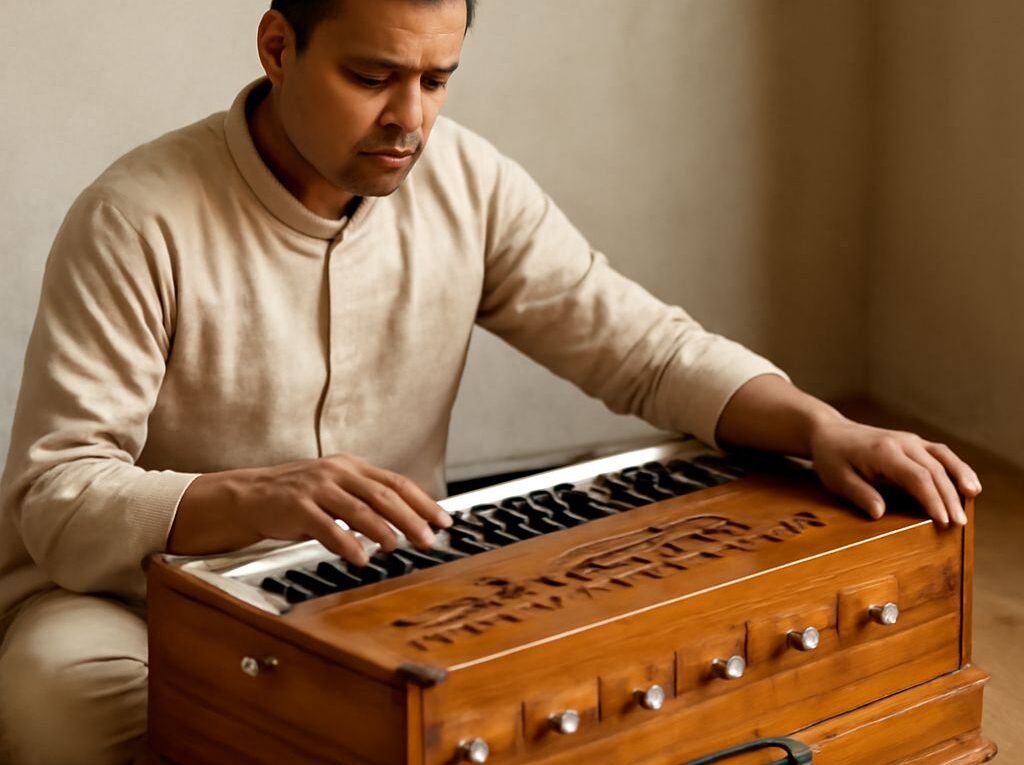
A harmonium is a free-reed keyboard instrument that produces sound when air is pushed through reeds by manually operated bellows. Unlike pianos or electronic keyboards, the harmonium does not use strings or digital components. The harmonium instrument originated in Europe in the 19th century but quickly found a central place in the music traditions of India, Pakistan, Bangladesh, and Nepal. It remains integral to genres such as Hindustani classical music, bhajans, qawwalis, kirtans, and folk music.
The appeal of the harmonium comes from its warm, reedy tone and its ability to sustain notes, making it suitable for accompanying vocals. Its relatively simple mechanics and compact form allow musicians to use it in studios, temples, classrooms, and concerts alike. The harmonium is often played in a seated position, with one hand operating the bellows and the other pressing keys.
While closely identified with South Asian music, the harmonium’s adaptability has also led to its use in genres ranging from Western classical to experimental and world music. This versatility has ensured its continued relevance and popularity.
How Does the Harmonium Instrument Work?
The harmonium instrument operates on the principle of free-reed aerophones. When the player presses a key, a small valve opens, allowing air supplied by the bellows to flow over a metal reed. The vibration of the reed produces the musical note associated with that key. The strength and speed of bellows movement directly influence the volume and expression of the sound.
The bellows, typically located at the back or side of the harmonium, are operated by hand. Some models have foot-pumped bellows, but most portable Indian harmoniums are hand-pumped. The player uses one hand to steadily pump the bellows, maintaining a continuous airflow for a sustained sound. This manual control allows the musician to add subtle dynamics and phrasing to their performance.
Unlike organs, the harmonium does not rely on electricity or large wind reservoirs, giving musicians direct and immediate control over the instrument’s response. Its sound is characterized by a gentle attack, sustained resonance, and the ability to blend seamlessly with human voices and other acoustic instruments.
Key Parts and Varieties of Harmoniums
The main components of a harmonium include:
- Bellows: The pump system that supplies air to the reeds. Bellows are usually hand-operated in Indian harmoniums.
- Keyboard: A set of black and white keys similar to a piano, typically spanning two to three octaves.
- Reeds: Flat metal strips that vibrate to produce sound when air passes over them. Most harmoniums have sets of male, female, or bass reeds for different tonal colors.
- Stops (or drones): Pull knobs that control air flow to different sets of reeds, allowing players to change timbre, add drone notes, or silence certain reeds.
- Couplers: A mechanism that links keys from different octaves, enabling richer chords and layered sound.
There are two main varieties of harmoniums: the standard (fixed-keyboard) harmonium and the scale-changing harmonium. The standard type has a fixed pitch, while the scale-changer allows musicians to shift the keyboard’s pitch to accompany singers in different keys without retuning. Some harmoniums are collapsible for easier transport, while others are box-style for stable placement during extended sessions.
Differences in reed quality, key action, and construction materials can significantly impact the sound and playability. Well-known brands include Bina, Paloma, and DMS, each offering models with specific tonal characteristics and features.
Tips for Choosing the Right Harmonium
When selecting a harmonium, consider the following factors to match the instrument to your needs:
- Intended Use: Solo performers might prioritize portability and a brighter tone, while accompanists may seek fuller sound and additional octave couplers.
- Number of Reeds: Single-reed harmoniums are lightweight but offer a thinner sound. Double- or triple-reed models provide deeper, richer tones suitable for classical music and vocal accompaniment.
- Scale-Changer Feature: If you plan to play with different singers or in varying keys, a scale-changing harmonium offers flexibility.
- Build Quality: Check for smooth key action, airtight bellows, and durable construction. Well-fitted parts ensure better sound and longevity.
- Budget and Brand: Established makers like Bina and Paloma are known for quality and consistency. Test several instruments within your price range to evaluate their sound and response.
Trying the harmonium in person is ideal, as subtle differences in tone and touch can influence your playing experience. Assess comfort, sound projection, and the feel of the bellows and keys to find a harmonium instrument that inspires confident performance.