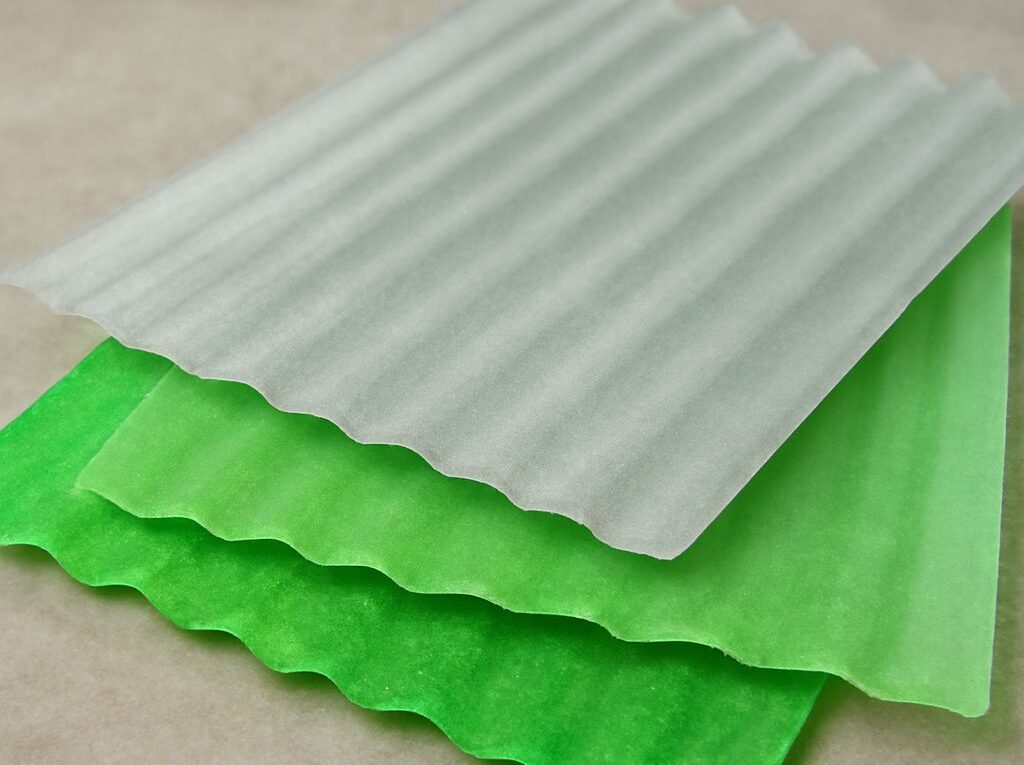
Understanding Fiberglass and Fiberglass Composite in Wireless Networks
In the realm of wireless networks, materials play an essential role in determining the efficiency, durability, and performance of the system. Two key materials often discussed are fiberglass and fiberglass composites. Their unique properties make them invaluable in constructing and maintaining robust private wireless networks.
What is Fiberglass?
Fiberglass is a material made from extremely fine fibers of glass. It is known for its strength and flexibility, making it a popular choice for various industrial applications. The production of fiberglass involves weaving glass filaments into a fabric, which can then be molded into different shapes with the use of resin. This material is lightweight yet strong, providing a cost-effective solution for many structural applications, such as insulation and reinforcement.
Fiberglass Composite in Wireless Networks
Fiberglass composite refers to a combination of fiberglass with other materials to enhance its properties. In wireless networks, these composites are often used for the construction of antenna radomes and equipment enclosures. The unique combination of materials provides enhanced durability and resistance to environmental factors, making them ideal for outdoor applications. These composites help protect sensitive equipment from weather-related damage, ensuring uninterrupted network performance.
Benefits of Using Fiberglass in Wireless Networks
The use of fiberglass in wireless networks offers several advantages. Firstly, its non-conductive nature ensures that it does not interfere with the transmission of signals, which is crucial for maintaining the integrity of wireless communication. Additionally, fiberglass is resistant to corrosion, reducing maintenance costs and extending the lifespan of network components. Its lightweight nature also eases the installation process, allowing for more flexibility in the design and placement of network infrastructure.
Comparing Fiberglass and Fiberglass Composite
While both fiberglass and fiberglass composite materials offer substantial benefits, they differ in certain aspects. Fiberglass alone is an excellent insulator and provides significant strength and flexibility. However, when combined with other materials to form a fiberglass composite, the resulting product often exhibits superior performance characteristics, such as increased strength and enhanced resistance to environmental factors. This makes fiberglass composites particularly suitable for more demanding applications within wireless networks, where longevity and reliability are paramount.