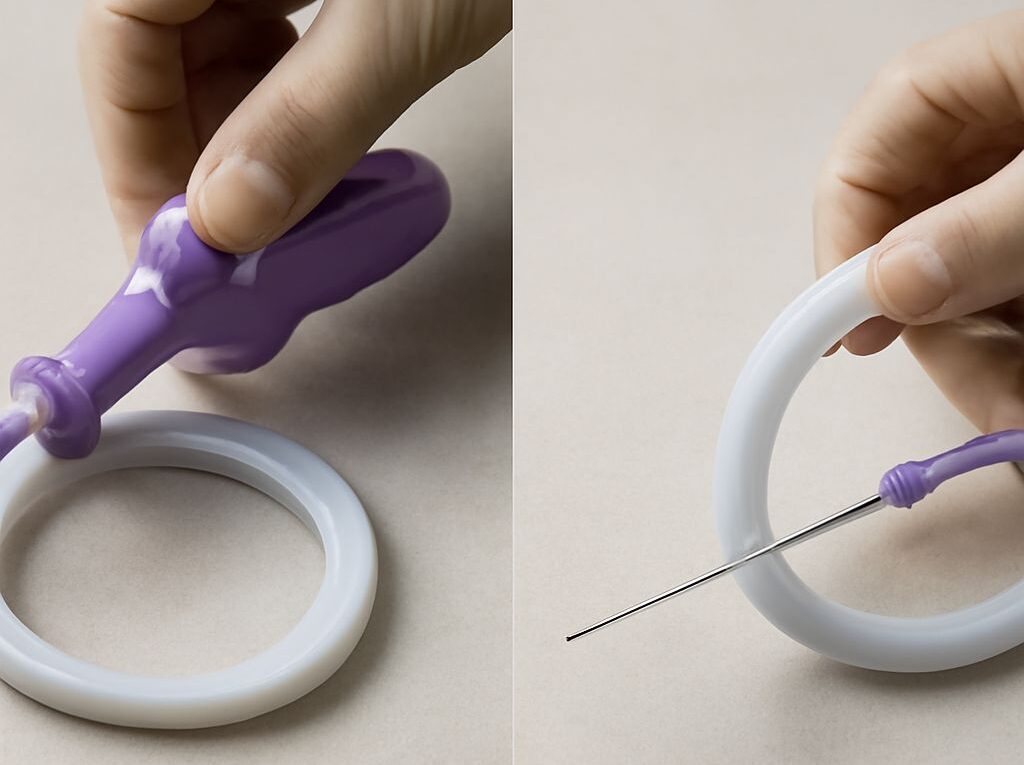
Understanding the Pessary: A Comprehensive Guide
The use of a pessary is a long-established method in women’s health for providing support and relief from specific pelvic conditions. These medical devices are designed to be inserted into the vagina to support the pelvic organs. They are particularly beneficial for women experiencing pelvic organ prolapse or urinary incontinence. This guide explores the different types of pessary devices, their benefits, and how to choose the right one.
What is a Pessary?
A pessary is a medical device that is used primarily to support the uterus, bladder, or rectum. It is often prescribed for women experiencing pelvic organ prolapse, a condition where the pelvic organs fall out of their normal position. Pessaries can also help manage stress urinary incontinence by supporting the urethra.
Types of Pessary Devices
Pessary Ring
The pessary ring is one of the most commonly used types. Its circular shape makes it easy to insert and remove, which is ideal for women who may need to manage their condition independently. Pessary rings are versatile and can support different levels of pelvic organ prolapse.
Other Pessary Options
Beyond the pessary ring, there are several other designs tailored to specific conditions and anatomical needs. These include the Gellhorn pessary, which provides more substantial support for severe prolapse, and the cube pessary, which is used for more advanced cases. Each type has different benefits depending on the severity and type of prolapse, as well as the individual’s anatomy and lifestyle needs.
Benefits of Using a Pessary
The primary benefit of using a pessary is the non-surgical management of pelvic organ prolapse and urinary incontinence. For many women, this means avoiding or delaying surgery while still experiencing improved quality of life. Pessaries are also adjustable and can be fitted to accommodate changes in the body, such as during pregnancy. Furthermore, they can be easily removed if they cause discomfort or need cleaning.
How to Choose the Right Pessary
Choosing the right pessary device involves considering several factors, including the type and severity of prolapse, the patient’s anatomy, and lifestyle preferences. A healthcare provider typically assesses these factors, often through a fitting process to ensure the device’s comfort and effectiveness. Personal preferences, such as ease of use and maintenance, are also important in the decision-making process. Regular follow-ups with a healthcare provider are essential to monitor the effectiveness and fit of the pessary.