Understanding Pacemakers: How They Work and Their Lifespan
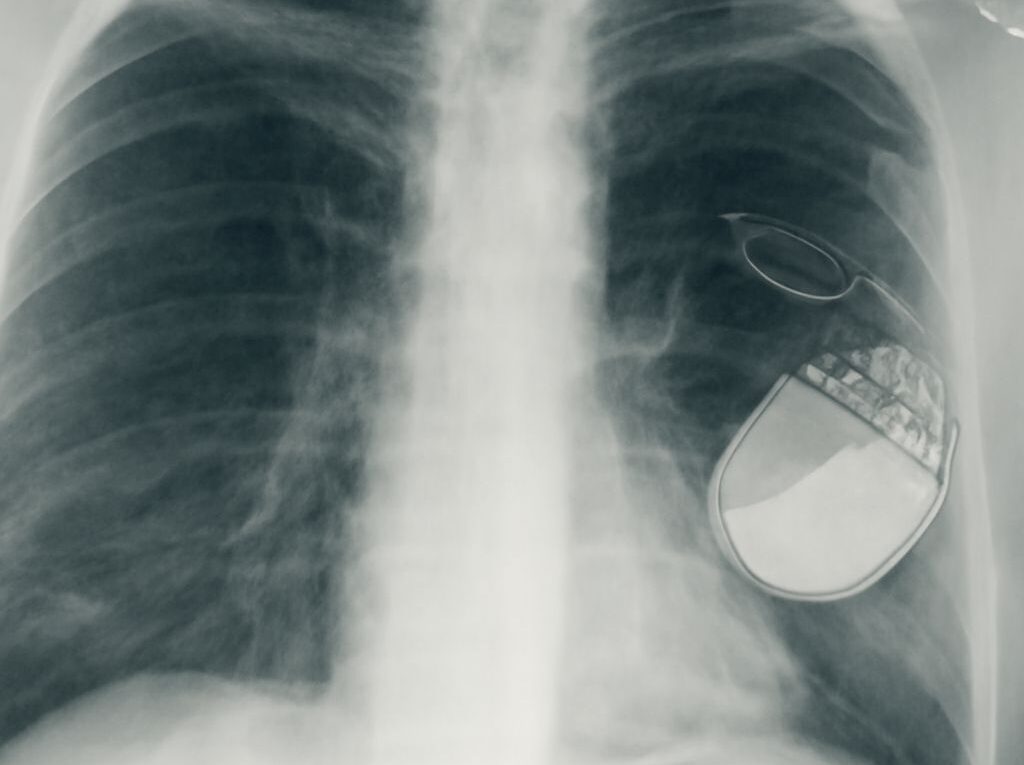
A pacemaker is a small medical device implanted in the chest to help regulate abnormal heart rhythms. It is primarily used to treat conditions such as bradycardia, where the heart beats too slowly, and arrhythmias, where the heartbeat is irregular. By delivering electrical impulses to the heart, a pacemaker ensures that it maintains a normal rhythm and rate, enabling the heart to pump blood effectively throughout the body.
What is a Pacemaker?
A pacemaker consists of two main components: a pulse generator and lead wires. The pulse generator houses the battery and electronic circuitry, responsible for creating the electrical impulses. Lead wires are attached to the generator and extend into the heart, delivering the impulses directly to the heart muscle. Pacemakers are designed to monitor the heart’s electrical activity and intervene when it detects an abnormal rhythm.
Uses of Pacemakers
Pacemakers are primarily used for managing bradycardia, a condition where the heart beats too slowly. They are also used in cases of heart block, where the electrical signals between the chambers of the heart are disrupted. Additionally, pacemakers can be utilized in treating heart failure and preventing fainting spells due to heart rhythm abnormalities. By ensuring a consistent heart rate, pacemakers improve the quality of life for individuals with these conditions.
Lifespan of a Pacemaker
The lifespan of a pacemaker varies depending on the device type and usage, but typically ranges from 5 to 15 years. The battery life is a significant factor in determining how long a pacemaker will last. Regular check-ups are necessary to monitor the battery status and ensure the device is functioning correctly. When the battery nears depletion, a replacement procedure is scheduled to maintain heart rhythm management.
Pacemakers vs. Defibrillators
Pacemakers and defibrillators are both implantable devices used to manage heart conditions, but they serve different purposes. A pacemaker regulates slow or irregular heart rhythms by stimulating the heart with electrical impulses. In contrast, a defibrillator, also known as an implantable cardioverter-defibrillator (ICD), is designed to correct life-threatening arrhythmias that may lead to sudden cardiac arrest. The defibrillator monitors heart rhythms continuously and delivers a shock to restore normal rhythm when a dangerous arrhythmia is detected.
While both devices are crucial in managing heart health, the choice between a pacemaker and a defibrillator depends on the specific heart condition and the patient’s medical history. Consulting with a healthcare provider is essential to determine the most appropriate device for individual needs.