Understanding the Basics of Gramophones and Phonographs
In the world of vintage audio devices, the terms “gramophone” and “phonograph” often arise, each representing a key development in the history of sound reproduction. While modern technology has largely moved past these devices, understanding their significance offers insight into the progression of audio technology and even draws parallels to contemporary innovations such as wireless networks.
What is a Gramophone?
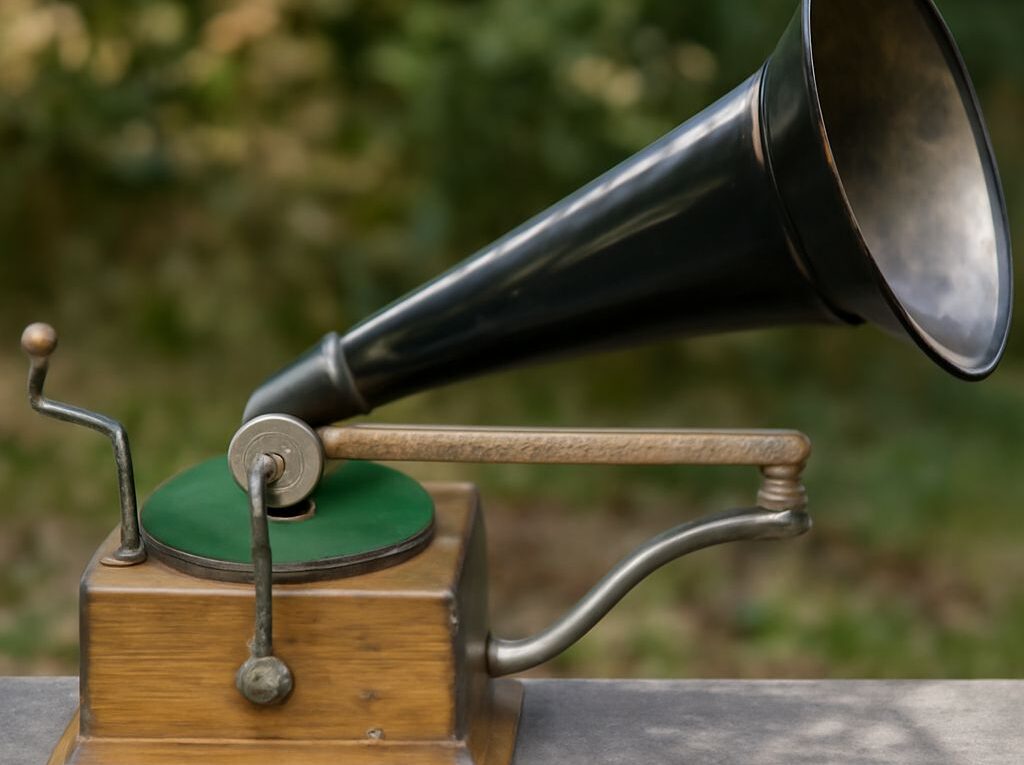
The gramophone is a device that revolutionized the way people listened to music in the late 19th and early 20th centuries. Invented by Emile Berliner in 1887, the gramophone used flat discs or records to capture sound. Unlike its predecessors, it featured a lateral cut groove, which allowed for more accurate sound reproduction. The needle or stylus would trace the groove as the disc spun, translating the vibrations into audible sound through a horn or speaker. Gramophones quickly became popular for their improved sound quality and ease of mass production, eventually becoming a staple in homes around the world.
Exploring Phonographs
The phonograph, on the other hand, was developed by Thomas Edison in 1877. This groundbreaking invention was the first to successfully record and play back sound. Unlike the gramophone, the phonograph used cylindrical records instead of flat discs. It functioned by engraving sound waves onto a rotating cylinder, which a stylus then read to produce sound. Although initially cumbersome, Edison’s phonograph paved the way for the later development of more practical audio devices, including the gramophone. The phonograph was celebrated for its ability to bring recorded sound into homes for the first time.
Connecting the Past with Wireless Networks
Though gramophones and phonographs have largely been replaced by modern technology, their influence is still evident in today’s wireless network systems. The shift from analog to digital and wired to wireless mirrors the evolution from mechanical sound reproduction to electronic. Just as gramophones and phonographs were pivotal in making audio accessible to the masses, wireless networks have made information and entertainment more readily available than ever before. Understanding these early technologies highlights the remarkable journey of sound reproduction and connectivity, offering a glimpse into how past innovations have shaped the digital age.