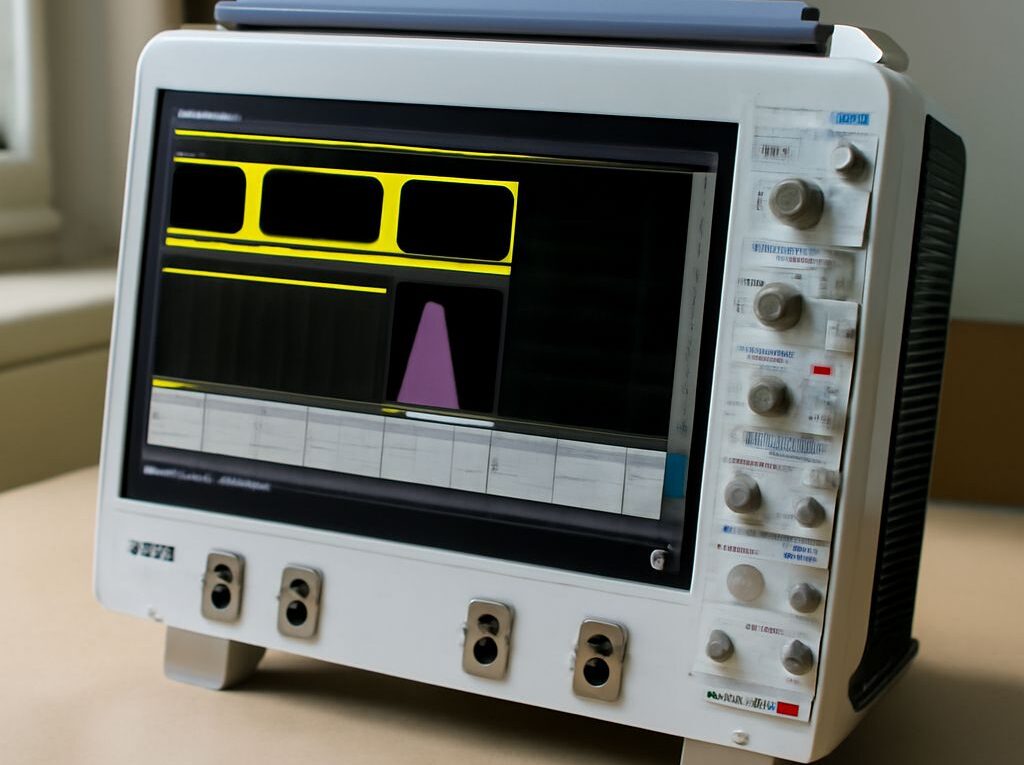
Understanding Oscilloscopes: A Guide to Using O Scopes
Oscilloscopes, often referred to as o scopes, are essential tools in the field of electronics. They are primarily used to observe the precise waveforms of electrical signals. This guide aims to demystify oscilloscopes, highlighting their key features, applications in RF protocols, and offering tips for selecting the right device.
What is an Oscilloscope?
An oscilloscope is a device used to visualize and analyze the waveform of electronic signals. By displaying voltage changes over time on a screen, it allows users to measure various parameters such as amplitude, frequency, and phase shift. Oscilloscopes are crucial in both development and troubleshooting within electronic engineering.
Key Features of an O Scope
Several key features distinguish one oscilloscope from another, and understanding these can help users select a suitable device for their needs:
- Bandwidth: This determines the range of frequencies the oscilloscope can accurately measure. Higher bandwidths allow for more precise analysis of rapid signal changes.
- Sample Rate: Measured in samples per second (S/s), this indicates how frequently the oscilloscope collects data points from the signal. A higher sample rate provides better resolution of waveform details.
- Channels: Most oscilloscopes come with two or four channels, allowing multiple signals to be measured simultaneously.
- Display: Modern oscilloscopes feature LCD screens with various sizes and resolutions, impacting how data is visually interpreted.
- Storage: The ability to save waveforms for later analysis can be crucial, especially for complex tasks.
Using Oscillographs in RF Protocols
Oscillographs, another term for oscilloscopes, play a significant role in RF (radio frequency) and wireless protocol testing. They are used to monitor signal integrity, assess modulation patterns, and verify compliance with communication standards. By connecting the oscilloscope to RF transmitters, developers can visualize the signal’s time-domain characteristics and ensure optimal performance.
In RF applications, oscilloscopes help in detecting anomalies, such as signal distortion or noise, which can degrade performance. They also assist in debugging issues by providing insights into signal quality and facilitating the fine-tuning of RF circuits.
Tips for Choosing the Right Oscilloscope
When selecting an oscilloscope, consider the following factors to ensure it meets your specific requirements:
- Define Your Use Case: Clearly identify what you will primarily use the oscilloscope for. This will guide the selection of specifications such as bandwidth and sample rate.
- Budget Considerations: Oscilloscopes vary widely in price. Establishing a budget can help narrow down options without compromising essential features.
- Future-Proofing: Consider potential future needs. Investing in a slightly more advanced model could save costs in the long run as your requirements evolve.
- Trial and Support: Whenever possible, test different models to determine usability and comfort. Additionally, check for available customer support and warranty options.
Ultimately, choosing the right oscilloscope involves balancing technical specifications with budget constraints and personal preferences. Understanding the fundamental concepts and features outlined in this guide will enable a more informed decision, ensuring you select an oscilloscope that aligns with your needs and enhances your electronics work.