Exploring the Erhu Instrument: A Guide to the Chinese Erhu
The erhu instrument, also known as the Chinese erhu, is a captivating part of traditional Chinese music. Known for its expressive sound and unique playing style, the erhu has gained recognition not only in China but across the globe. This article delves into the unique features of the erhu, its rich history, modern technological influences, and how one can begin their journey of playing this fascinating instrument.
Understanding the Erhu Instrument
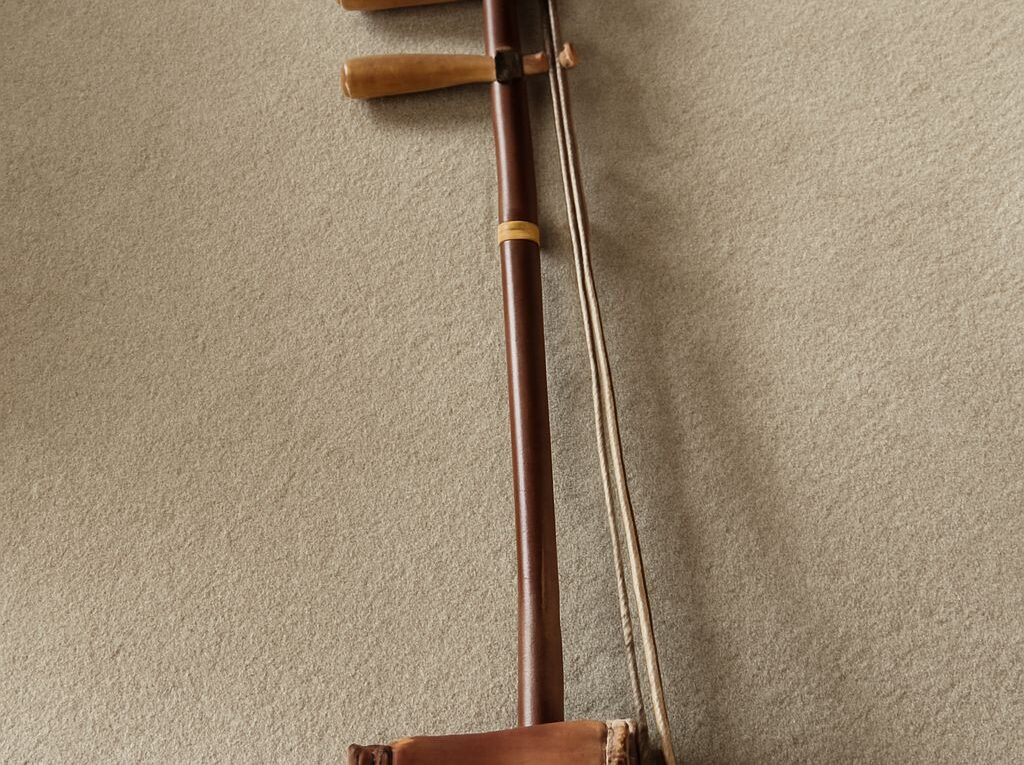
The erhu is a two-stringed bowed musical instrument, often referred to as the “Chinese violin.” Unlike the Western violin, the erhu does not have a fingerboard. Its two strings are typically tuned to a fifth apart, and the sound is produced by drawing a bow across the strings. The erhu’s body is traditionally made of wood, with a snakeskin-covered resonator at the bottom, which helps create its distinctive sound. This instrument is revered for its ability to mimic the human voice, allowing musicians to express deep emotions through its music.
The History of the Chinese Erhu
The history of the Chinese erhu dates back over a thousand years. It originated from the nomadic tribes of what is now Central Asia before becoming integral to Chinese music. Initially used in traditional Chinese folk music and operas, the erhu has evolved over the centuries. By the 20th century, it had become a staple in Chinese orchestras, and its repertoire expanded to include adaptations of Western classical pieces. The erhu’s continued evolution is a testament to its versatility and enduring appeal.
Modern Technology and the Erhu
In contemporary times, the erhu has not been left behind in terms of technological advancements. Modern techniques have enhanced its construction, improving the sound quality and durability of the instrument. Moreover, electronic enhancements allow the erhu to be amplified, making it suitable for large performances and recordings.
IoT Applications in Erhu Performance
One of the exciting developments is the integration of IoT (Internet of Things) technology into erhu performances. Sensors can be used to capture the nuances of erhu playing, providing data that can be analyzed to improve teaching methods or enhance live performances through visual effects synchronized with the music. This blending of tradition with technology is opening new doors for musicians and audiences alike, providing an enriched musical experience.
Getting Started with Playing the Erhu
For those interested in learning to play the erhu, the journey begins with selecting the right instrument. Beginners should consider starting with a student model erhu, which is more affordable yet offers good sound quality. It’s crucial to learn the correct posture and bowing techniques, as these are fundamental to producing the erhu’s signature sound. Resources such as online tutorials, books, and local music schools can provide valuable guidance. Regular practice and listening to accomplished erhu players will help develop one’s own playing style over time.
The erhu instrument, with its rich history and unique sound, continues to enchant musicians and audiences worldwide. Whether you’re a beginner or a seasoned player, exploring the world of the Chinese erhu offers endless possibilities for musical expression and innovation.