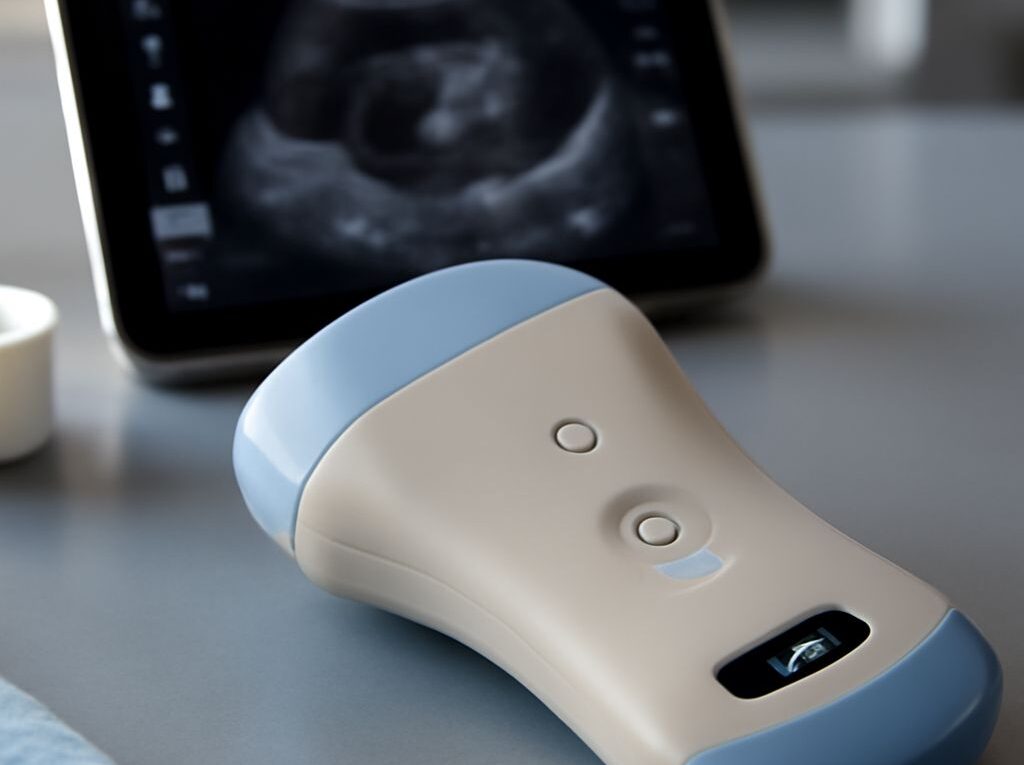
Understanding Handheld Ultrasound Devices
In the rapidly evolving field of medical imaging, handheld ultrasound devices have emerged as a game-changing technology. Combining portability and advanced imaging capabilities, these devices are redefining how healthcare professionals deliver patient care. From enabling point-of-care diagnostics to improving workflow efficiency, handheld ultrasound machines offer numerous benefits across various medical settings.
What Makes Handheld Ultrasound Devices Stand Out
Handheld ultrasound devices distinguish themselves through their compact size and ease of use. Unlike traditional ultrasound machines that are bulky and require designated space, handheld devices are lightweight and can be easily transported from one location to another. This flexibility allows healthcare providers to conduct diagnostic imaging at the patient’s bedside, in remote areas, or even in emergency situations where immediate access to imaging is crucial.
Key Features of Portable Ultrasound Machines
Portable ultrasound machines, including handheld models, come equipped with a variety of features designed to enhance diagnostic capabilities. Key features often include high-resolution imaging capabilities, wireless connectivity for easy data transfer, and intuitive touchscreen interfaces that streamline operation. Some devices also offer real-time image sharing and integration with electronic health records (EHR), allowing for seamless communication and documentation processes.
Advantages of Using Portable Ultrasound in Healthcare
The use of portable ultrasound machines in healthcare settings brings several advantages. Firstly, their portability allows for quicker diagnostics, reducing the time between initial consultation and treatment initiation. This is particularly beneficial in critical care and emergency settings where time is of the essence. Additionally, handheld ultrasound devices can improve patient outcomes by providing more frequent and accessible imaging, enabling early detection of conditions that might otherwise go unnoticed.
Furthermore, portable ultrasound machines reduce the need for patient transportation to central imaging facilities, minimizing patient discomfort and the risk of complications associated with movement. This is especially important for patients in intensive care or those with mobility challenges.
Choosing the Right Handheld Ultrasound Machine
When selecting a handheld ultrasound machine, healthcare providers should consider several factors to ensure it meets their specific needs. Image quality is paramount, as clear and accurate images are essential for effective diagnostics. Battery life and durability are also critical, especially for use in demanding or remote environments where power sources may be limited. Additionally, providers should evaluate the device’s connectivity options and compatibility with existing healthcare IT systems to ensure seamless integration and data management.
Brands like Butterfly Network, Philips Lumify, and GE Healthcare offer a range of handheld ultrasound devices, each with unique features tailored to different clinical applications. By comparing these options and assessing their functionality, healthcare professionals can select the most appropriate device to enhance their practice and patient care.