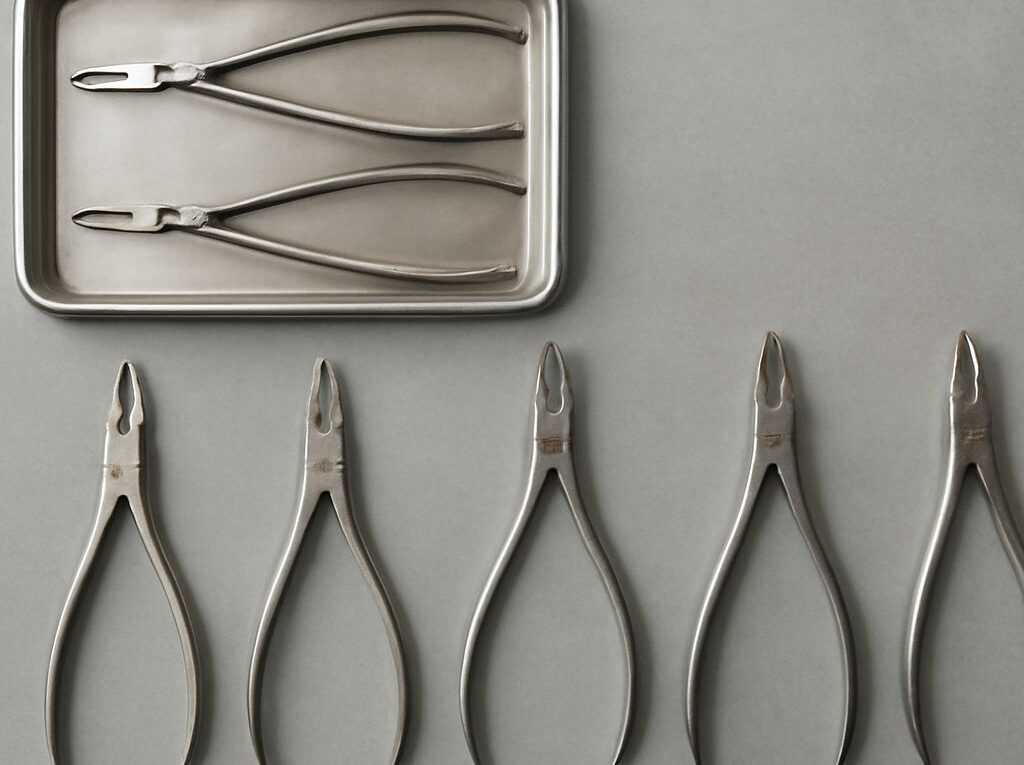
Understanding Different Types of Surgical Forceps
Surgical forceps are essential tools in medical procedures, designed for grasping, holding, or manipulating tissues and objects. They play a critical role in enhancing surgical precision and efficiency. This article delves into the different types of surgical forceps, including toothed forceps, and their specific applications in medical settings.
What Are Surgical Forceps?
Surgical forceps are handheld instruments used by medical professionals to perform various tasks during surgeries. Their design allows for delicate handling of tissues, reducing trauma and improving outcomes. These tools come in various shapes and sizes, each tailored to specific surgical needs.
Different Types of Surgical Forceps
There are multiple types of medical forceps, each serving distinct purposes. Here are some common categories:
- Thumb Forceps: Often referred to as dressing forceps, these are used for grasping and holding tissues. They resemble tweezers and are operated manually.
- Hemostatic Forceps: Designed to control bleeding by clamping blood vessels, these forceps have a locking mechanism to hold tissues securely.
- Needle Holders: Specifically crafted for holding and guiding needles during suturing, these tools have a firm grip for precision.
- Toothed Forceps: Equipped with small teeth at the tips, these forceps provide a stronger grip on tissues, making them ideal for handling tissues that are slippery or need a firm hold.
- Alligator Forceps: Characterized by their long, narrow shape and serrated jaws, these are used for reaching into narrow spaces.
When to Use Toothed Forceps
Toothed forceps are particularly useful in situations where a firm grip on tissue is necessary. Their toothed design allows surgeons to manipulate tissues without slipping, which is crucial in procedures requiring high precision. Common applications include:
- Skin or Tissue Handling: When working with skin or fibrous tissues, toothed forceps provide the necessary grip to hold tissue in place.
- Suturing: During suturing, these forceps help hold the tissue steady, ensuring stitches are placed accurately.
- Traumatic Procedures: In more invasive surgeries where tissue needs firm manipulation, these forceps are invaluable for their holding power.
Understanding the various types of surgical forceps and their specific uses assists medical professionals in selecting the right tools for each procedure, thereby enhancing surgical outcomes.