Understanding Intrathecal Pain Pumps
Intrathecal pain pumps offer a targeted approach to managing chronic pain, especially for patients who have not found relief through traditional methods. This guide explores what an intrathecal pain pump is, how it operates, its benefits, and considerations for determining if it is the right option for you.
What Is an Intrathecal Pain Pump?
An intrathecal pain pump is a medical device designed to deliver medication directly into the spinal fluid, bypassing the need for oral medication. This method allows for a significantly reduced dosage while maintaining effective pain relief. Often considered for patients with severe chronic pain, this pump can be surgically implanted and programmed to release specific amounts of medication continuously or at set intervals.
How Does a Pain Pump Work?
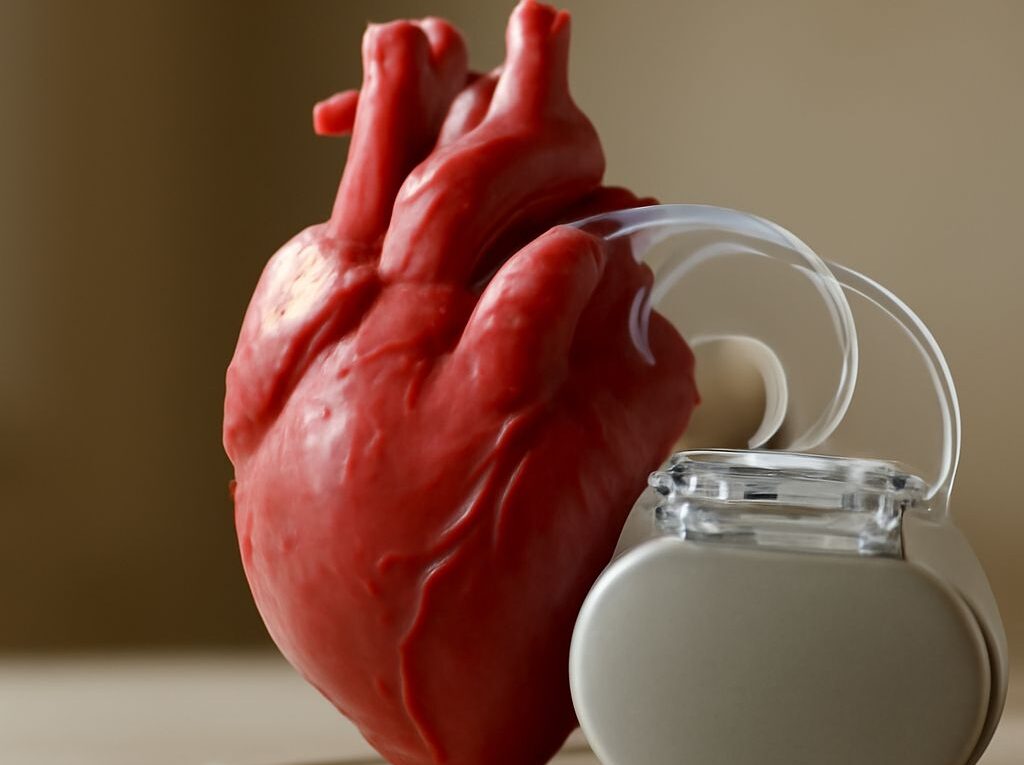
The pain pump consists of a small reservoir connected to a catheter. The reservoir is implanted under the skin, usually in the abdomen, and the catheter runs to the intrathecal space in the spine. Once implanted, the pump is filled with medication, such as morphine or baclofen, and programmed to deliver precise doses. This direct delivery system ensures that the medication reaches the central nervous system more efficiently, providing rapid pain relief with fewer side effects compared to oral medication.
Benefits of Using a Pain Pump
There are several benefits to using an intrathecal pain pump:
- Reduced Medication Dosage: Because the medication is delivered directly to the site of action, the required dosage is often much lower than oral medications, minimizing side effects.
- Improved Pain Management: Patients often experience better pain control, as the medication bypasses barriers such as the digestive system and directly impacts pain receptors.
- Customization: The pump can be programmed to meet individual needs, allowing physicians to tailor pain management to each patient’s specific situation.
- Enhanced Quality of Life: With better pain control, patients may experience improved mobility and quality of life.
Is a Pain Pump Right for You?
Determining whether an intrathecal pain pump is suitable involves assessing several factors. This option is typically considered for patients with chronic pain conditions that have not responded to other treatments. Physicians will evaluate the patient’s medical history, the type and intensity of pain, and overall health status. Additionally, a trial period with the pump may be conducted to gauge effectiveness before permanent implantation.
Patients should discuss potential risks and benefits with their healthcare provider, considering possible complications such as infection, catheter issues, or pump failure. Ultimately, the decision to proceed with an intrathecal pain pump should be made collaboratively between the patient and their medical team, ensuring that it aligns with the patient’s health goals and lifestyle.