Galvanized Steel vs Stainless Steel: Key Differences
When deciding between galvanized steel and stainless steel, understanding their key differences is essential for making an informed choice. Each type of steel has distinct properties that cater to specific applications, costs, and durability needs. Let’s delve into what makes each one unique and compare their characteristics.
Understanding Galvanized Steel
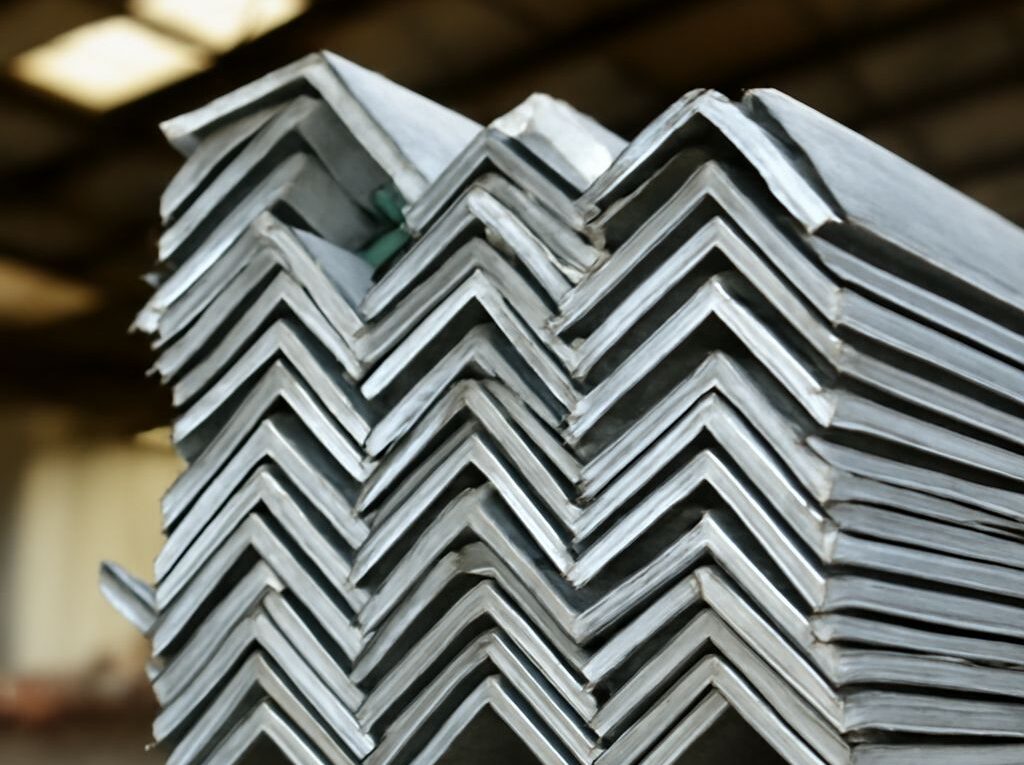
Galvanized steel is produced by coating regular steel with a layer of zinc. This process, known as galvanization, helps protect the steel from corrosion and rust. The zinc coating acts as a barrier against environmental elements, making galvanized steel ideal for outdoor and industrial applications where exposure to moisture and other corrosive elements is common.
The process offers an economical solution for projects requiring corrosion resistance without the higher costs associated with stainless steel. Common applications include construction frameworks, roofing, and fencing.
Exploring Stainless Steel
Stainless steel is an alloy composed mainly of iron, chromium, and nickel. The inclusion of chromium gives stainless steel its renowned corrosion resistance by forming a passive layer of chromium oxide that prevents rust. This property makes stainless steel a preferred choice for environments with high humidity, chemical exposure, and stringent sanitation requirements.
Stainless steel is prominent in industries like food processing, healthcare, and architecture, where both hygiene and aesthetic appeal are critical. It is available in various grades, each tailored for specific uses, from cutlery to chemical tanks.
Comparing Durability and Cost
When comparing galvanized steel vs stainless steel, durability and cost are pivotal factors. Galvanized steel, while corrosion-resistant, may eventually deteriorate if the zinc layer is compromised. However, it offers a cost-effective solution for many projects, especially where aesthetic longevity is not the primary concern.
In contrast, stainless steel is highly resistant to impact, heat, and corrosion, providing superior durability even in harsh conditions. The initial investment in stainless steel is higher due to its material composition and manufacturing process, but its longevity and resilience often justify the cost in demanding applications.
Choosing the Right Steel for Your Needs
The decision between galvanized vs stainless steel depends on specific project requirements, environmental conditions, and budget constraints. For outdoor structures or environments where cost-efficiency is crucial, galvanized steel is an excellent choice. Its protective coating provides sufficient resistance against rust and corrosion for most exterior applications.
Alternatively, if the project demands high durability, aesthetic appeal, and resistance to extreme conditions, stainless steel is the preferable option. Its enhanced properties make it suitable for high-stakes environments, from healthcare facilities to marine applications.
Understanding these materials’ distinct characteristics helps ensure that the choice aligns with the project’s functional and financial needs. Whether prioritizing cost or performance, selecting the right type of steel can significantly impact the longevity and success of the application.