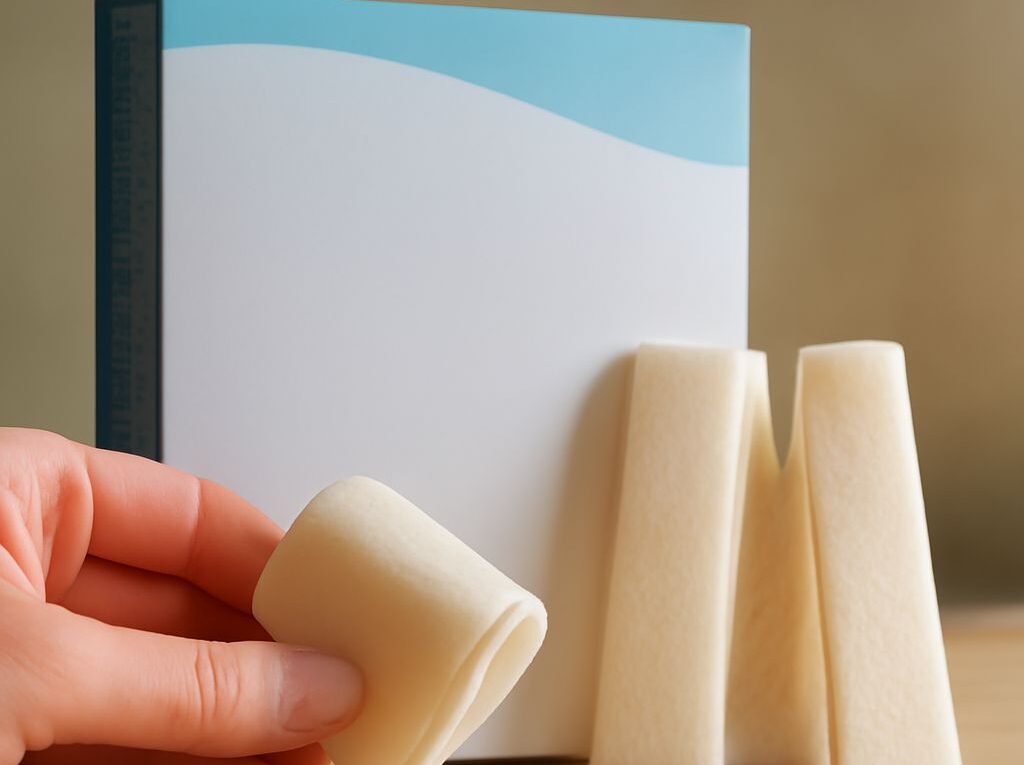
Understanding Alginate Dressings: A Comprehensive Guide
Alginate dressings are a staple in wound care management, known for their effectiveness in treating a variety of wound types. Made from natural fibers derived from seaweed, these dressings are highly absorbent and designed to manage exudate while promoting a moist healing environment. This article delves into the benefits and uses of alginate dressings, including the specific advantages of calcium alginate dressings.
What Are Alginate Dressings?
Alginate dressings are absorbent wound coverings composed primarily of alginic acid, extracted from seaweed. These dressings are used in treating moderate to heavily exuding wounds, such as ulcers, burns, and surgical wounds. When in contact with wound exudate, the fibers of the alginate dressing form a gel-like substance that aids in maintaining a moist environment conducive to healing.
Benefits of Using Alginate Dressings
Alginate dressings offer numerous advantages in wound care:
- High Absorbency: They can absorb up to 20 times their weight in fluid, making them ideal for wounds with heavy discharge.
- Moist Wound Environment: The gel formation helps maintain a moist environment, which can accelerate healing and reduce pain.
- Easy to Use: These dressings are straightforward to apply and remove, limiting trauma to the wound during dressing changes.
- Biodegradable: Being derived from natural sources, these dressings are biodegradable and thus environmentally friendly.
How to Apply Alginate Dressings
- Clean the Wound: Start by cleaning the wound with a suitable saline solution to remove any debris or bacteria.
- Prepare the Dressing: Cut the alginate dressing to fit the size of the wound. It can be layered for deeper wounds.
- Apply the Dressing: Place the dressing directly onto the wound bed, ensuring it makes contact with the exudate to form a gel.
- Secure the Dressing: Use a secondary dressing or bandage to secure the alginate dressing in place.
- Monitor and Change: Change the dressing as needed, typically every one to three days, or when the dressing becomes saturated.
Calcium Alginate Dressings: A Closer Look
Calcium alginate dressings are a specific type of alginate dressing enhanced with calcium ions. These dressings not only absorb exudate but also have the added benefit of aiding in hemostasis, which can be particularly useful for bleeding wounds. The calcium ions in the dressing interact with the wound exudate to boost clotting, further supporting the healing process.
Calcium alginate dressings are often recommended for wounds with moderate to high exudate levels and can be used in treating various wound types, including pressure ulcers and post-operative wounds. Their ability to manage both exudate and minor bleeding makes them a versatile choice in wound care.
By understanding the unique properties and applications of alginate and calcium alginate dressings, healthcare providers can effectively incorporate these tools into their wound management protocols, ensuring optimal healing outcomes for patients.