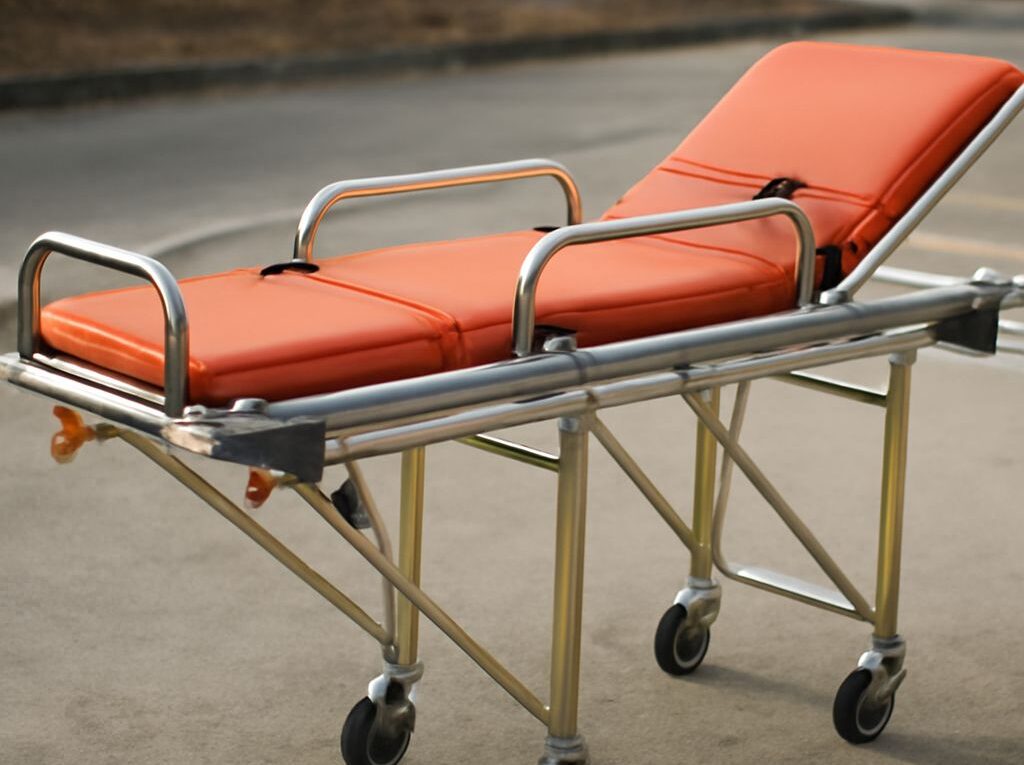
Ambulance Gurney: What It Is and How It’s Used
An ambulance gurney is a vital piece of equipment in emergency medical services, designed specifically for the safe transport of patients to and from ambulances. Also known as a gurney stretcher, this device combines a sturdy, mobile structure with features that support both patient comfort and emergency responder efficiency. Ambulance gurneys are engineered to handle a range of emergencies, from trauma incidents to non-urgent transfers, making them indispensable in the field of pre-hospital care.
What Is an Ambulance Gurney?
An ambulance gurney is a wheeled bed or stretcher used primarily for transporting patients who are unable to walk or require medical support during transfer. Equipped with a metal frame, adjustable height settings, and a supportive surface, an ambulance gurney allows emergency medical technicians (EMTs) and paramedics to move patients safely from the scene of an incident to the ambulance, and from the ambulance into a medical facility.
Most ambulance gurneys are designed to fit into standard ambulance interiors and are built to facilitate quick loading and unloading. They are essential in situations where time is critical and patient stability must be maintained. Gurney stretchers reduce manual lifting, help prevent further injury, and ensure a smoother ride for patients during transport.
In addition to standard models, specialized gurneys exist for bariatric patients, pediatric patients, or those with specific medical needs. This versatility ensures that an ambulance gurney can accommodate a wide array of emergencies, making it central to the mission of emergency response teams.
Key Features and Types of Gurney Stretchers
Every gurney stretcher shares core components that prioritize safety, functionality, and ease of use. The most common features include a lightweight yet durable frame, typically made from aluminum or steel, collapsible side rails for patient security, and a comfortable mattress pad. Locking wheels provide stability during transfer, while high-visibility straps or harnesses secure the patient during movement.
Ambulance gurneys can be divided into several main types:
- Manual Gurney Stretchers: Operated by hand, these models use levers and foot pedals to control height adjustment. They are cost-effective and reliable, favored in many ambulances worldwide.
- Powered or Hydraulic Gurney Stretchers: These feature battery-powered lift systems or hydraulic mechanisms, reducing physical strain on EMS personnel. By allowing single-person operation, they are especially useful when manpower is limited or patients are bariatric.
- Bariatric Gurneys: Built to support heavier patients, these gurney stretchers feature reinforced frames and wider platforms for increased capacity and comfort.
- Pediatric Gurneys: Designed for children, these stretchers offer specialty harnesses and size-appropriate surfaces to ensure young patients are safely secured.
Some advanced ambulance gurneys also include integrated monitoring equipment or IV poles, making them even more adaptable to critical care situations.
How Ambulance Gurneys Are Used in Emergency Services
In emergency medical services, the deployment of an ambulance gurney is one of the first steps in patient care. When EMTs arrive at a scene, they assess the patient’s condition and determine if gurney transport is appropriate. The gurney stretcher is then positioned alongside the patient, with side rails lowered for easy access. After safely securing the patient using straps and, if necessary, additional immobilization devices, the team elevates the gurney to the appropriate height and maneuvers it towards the ambulance.
Once at the ambulance, specialized loading systems, such as fold-down wheels and secure locking mechanisms, allow for smooth transfer into the vehicle. During transport, the gurney remains locked in place to prevent unwanted movement. Upon arrival at the hospital, the process is reversed, ensuring the patient remains stable throughout.
Ambulance gurneys are also used for inter-facility transfers and non-emergency medical transport. Their versatility enables responders to adapt quickly to a range of medical scenarios, from trauma cases requiring spinal immobilization to routine patient transfers where comfort and dignity are priorities.
Safety Tips for Operating a Gurney Stretcher
Safe use of an ambulance gurney is paramount for both patient and provider. Operators should always engage the wheel locks before loading or unloading a patient and ensure that all straps and restraints are properly secured. When adjusting the height, make sure the area is clear of obstacles and support the weight evenly to avoid tipping.
Communication among EMS team members is essential. One provider should coordinate movements and give clear instructions, especially when navigating stairs, uneven terrain, or confined spaces. For powered gurney stretchers, regularly check the battery charge and mechanical components to ensure reliable operation.
Proper lifting technique is critical to prevent provider injury. Always bend at the knees, keep the back straight, and use team lifting for heavier patients. Training on the specific model of gurney stretcher in use is strongly recommended, as different designs may have unique controls or limitations.
Finally, routine maintenance—such as inspecting wheels, frame, and locking mechanisms—helps ensure the ambulance gurney remains reliable and safe for every emergency call.