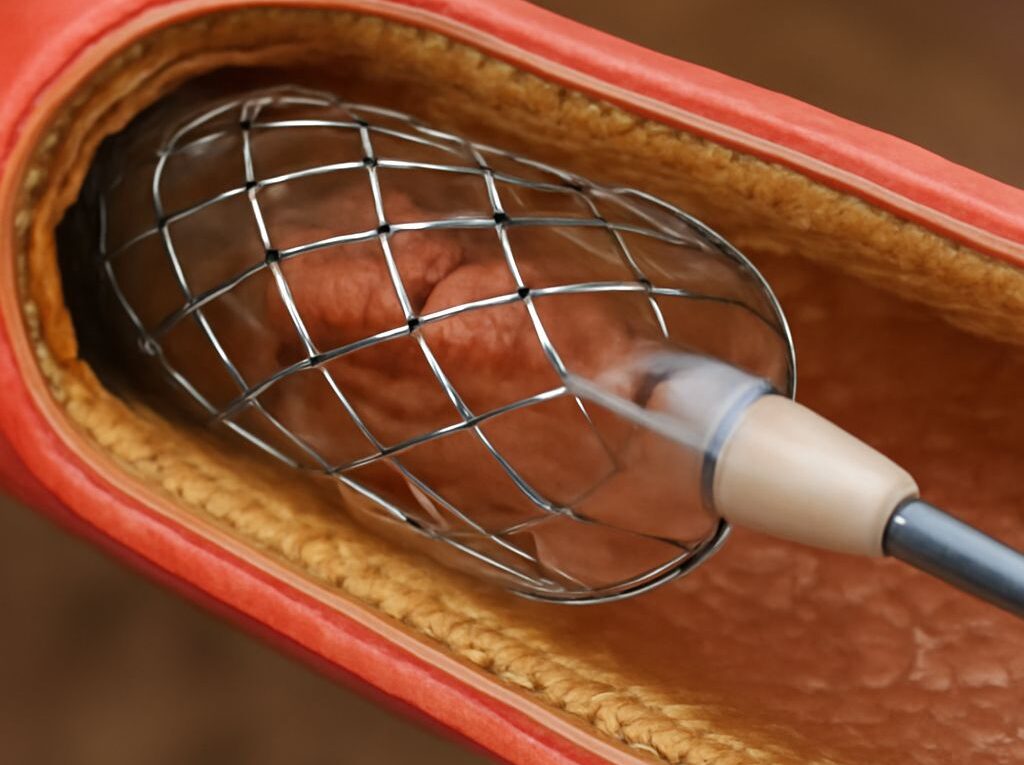
Understanding Heart Stents: What You Need to Know
Heart stents, also known as cardiac stents, are small tube-like devices utilized in medical procedures to keep arteries open and improve blood flow to the heart. They are commonly inserted during angioplasty, a procedure designed to treat narrowed or blocked coronary arteries. Heart stents play a crucial role in the management of coronary artery disease, a leading cause of heart attacks. Understanding the types, mechanisms, and benefits of these stents can help patients and caregivers make informed decisions about heart health treatment options.
What Are Heart Stents?
A heart stent is a tiny mesh tube that is used to prop open an artery that has been narrowed by plaque buildup. These stents are typically made of metal or plastic and are designed to prevent arteries from closing again after they have been widened through a balloon angioplasty procedure. This helps to ensure that blood can flow freely through the artery, reducing the risk of heart attacks or other coronary events.
Types of Cardiac Stents
Cardiac stents come in various types, each with specific applications. The two primary categories are bare-metal stents and drug-eluting stents. Bare-metal stents are simple metallic meshes that provide structural support to the artery. Drug-eluting stents, on the other hand, are coated with medication that is gradually released to prevent the growth of scar tissue in the artery lining, which helps keep the artery open longer. In certain cases, bioresorbable stents, which dissolve over time, may be used, though these are less common.
How Do Coronary Stents Work?
Coronary stents are used during a minimally invasive procedure known as percutaneous coronary intervention (PCI). During this procedure, a catheter is inserted into a blood vessel, usually in the groin or arm, and guided to the blocked coronary artery. A balloon at the catheter’s tip is inflated to widen the artery, and the stent is then placed to keep the artery open permanently. Once in place, the stent remains in the artery to support its walls and maintain blood flow to the heart muscle. The recovery from this procedure is typically quick, with many patients returning to regular activities within a few days.
Benefits of Artery Stents
Artery stents provide several significant benefits for patients with coronary artery disease. Primarily, they help restore normal blood flow to the heart, reducing chest pain (angina) and the risk of heart attacks. By keeping arteries open, stents can also improve heart function and overall physical endurance, allowing patients to enjoy a more active lifestyle. Furthermore, using drug-eluting stents can significantly decrease the likelihood of restenosis, or the re-narrowing of the artery, which can occur after angioplasty. This extended effectiveness is particularly beneficial for patients with complex coronary artery disease.