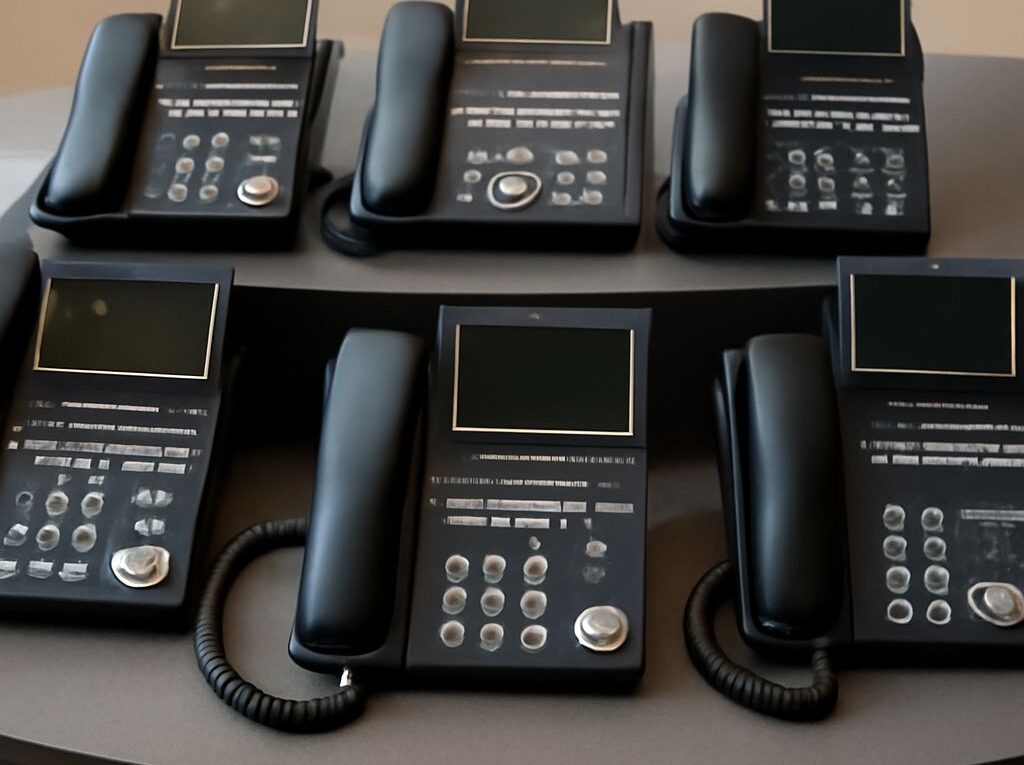
Choosing the Right Phone System for Your Small Business
For small businesses, effective communication is crucial to success. Selecting the right small business phone systems can greatly enhance the operational efficiency and customer service of an organization. With numerous options available, it’s important to understand what each phone system for office settings offers and how to implement them effectively in a small business context.
Why Small Businesses Need Specialized Phone Systems
Small businesses often face unique communication challenges that require tailored solutions. Unlike larger enterprises, small businesses may not have a dedicated IT team to handle complex telecommunication systems. Therefore, they need office phone systems for small business that are easy to manage and offer robust functionality without requiring extensive technical expertise.
Specialized phone systems can offer features like call forwarding, voicemail to email, and automated attendants, which help small businesses maintain a professional image and streamline day-to-day operations. These features empower small businesses to handle customer inquiries efficiently, even with limited staff available.
Key Features to Look for in Office Phone Systems
When selecting an office telephone system, certain key features can make a significant difference. Here are some critical components to consider:
- Scalability: The system should accommodate future growth, allowing businesses to add lines or extensions as needed.
- VoIP Capability: Voice over Internet Protocol (VoIP) enables calls over the internet, offering cost savings and flexibility.
- Mobile Integration: Systems that integrate with mobile devices can help ensure employees are reachable, whether in or out of the office.
- Call Management Tools: Features such as call routing, hold music, and call recording enhance communication efficiency.
- Reliability: Downtime can disrupt business operations, so a reliable system with strong customer support is essential.
Top Options for Small Business Phone Systems
Several phone systems stand out for small businesses due to their features and reliability:
- RingCentral: Known for its robust VoIP services, RingCentral offers comprehensive communication solutions with video conferencing and team messaging.
- Grasshopper: Ideal for small businesses needing a virtual phone system, Grasshopper provides easy setup with features like call forwarding and voicemail transcription.
- Ooma Office: This system is user-friendly and cost-effective, providing essential features like virtual receptionists and conference bridges.
- 8×8: Offers a wide range of communication solutions, including cloud-based VoIP services and integrated video meetings, making it versatile for various business needs.
How to Implement an Office Telephone System Successfully
Implementing an office telephone system successfully requires careful planning and execution:
- Assess Your Needs: Identify the specific communication requirements of your business, considering the number of employees and anticipated growth.
- Choose the Right Provider: Select a provider that aligns with your business needs, budget, and offers reliable customer support.
- Plan the Installation: Work with your provider to develop an installation plan that minimizes disruption. Ensure all technical requirements are met before starting.
- Train Staff: Offer training sessions to familiarize employees with the new system features and functionalities. This will help ensure a smooth transition and maximize the system’s potential.
- Monitor and Optimize: After installation, regularly review system performance and collect feedback from employees to identify areas for improvement.
By choosing the right phone system and implementing it effectively, small businesses can improve communication, enhance customer satisfaction, and maintain a competitive edge in their industry.