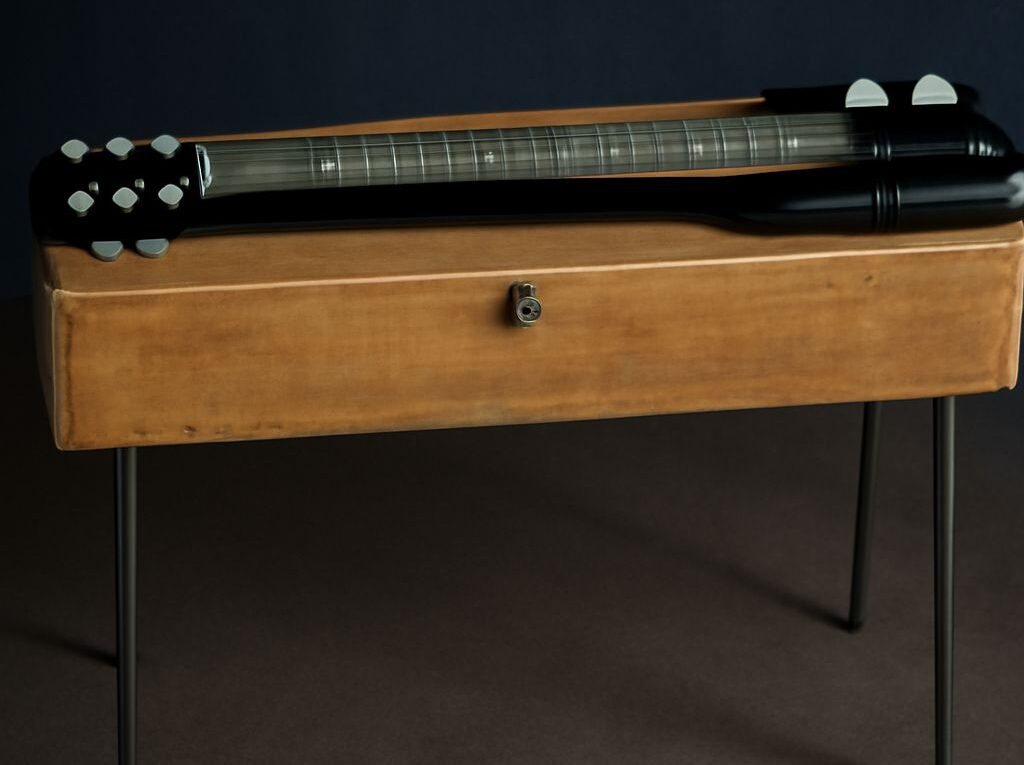
Understanding the Pedal Steel Guitar in IoT Edge Devices
The integration of musical instruments with technology has opened up new possibilities in the world of Internet of Things (IoT). One such fascinating application is the use of the pedal steel guitar in IoT edge devices. This intricate instrument, known for its unique sound, is now being explored in the realm of IoT operations, paving the way for innovative musical applications.
What Is a Pedal Steel Guitar?
The pedal steel guitar is a type of table guitar characterized by its horizontal playing position and the use of pedals and knee levers to change the pitch of certain strings. Unlike traditional guitars, the pedal steel guitar is mounted on legs and played while seated. It is renowned for its smooth, gliding sound, which is achieved by using a metal bar to press against the strings, allowing for seamless pitch transitions. This instrument is widely used in country and western music, but its unique tonal qualities have found a place in various other genres as well.
Integrating Pedal Steel Guitars with IoT Edge Devices
Integrating a pedal steel guitar with IoT edge devices involves connecting the instrument to a network of sensors and processors that can collect and analyze real-time data. This integration allows musicians to experiment with new methods of sound production and modulation. By using IoT technology, musicians can adjust parameters such as pitch, tone, and volume remotely via a connected device. This opens up possibilities for live performances where the sound can be dynamically altered to suit the ambiance or audience preferences.
The Role of Table Guitars in IoT Operations
Table guitars, like the pedal steel guitar, play an essential role in IoT operations by serving as a bridge between traditional musical artistry and modern technological advancements. In IoT-enabled environments, table guitars can be used to capture acoustic data and feed it into analytics systems. This allows for enhanced sound quality and the possibility of creating personalized soundscapes based on user interaction or environmental factors. As a result, musicians can leverage these technologies to enhance their creative expression and audience engagement.
Future Trends in Musical IoT Devices
Looking ahead, the future of musical IoT devices seems promising with continuous advancements in technology. As IoT devices become more sophisticated, there is potential for even more seamless integration with musical instruments. Future trends may include enhanced AI-driven sound modulation, personalized music experiences, and real-time collaboration across distances. The pedal steel guitar, along with other table guitars, will likely continue to evolve within this landscape, offering musicians new tools to explore and redefine their art.