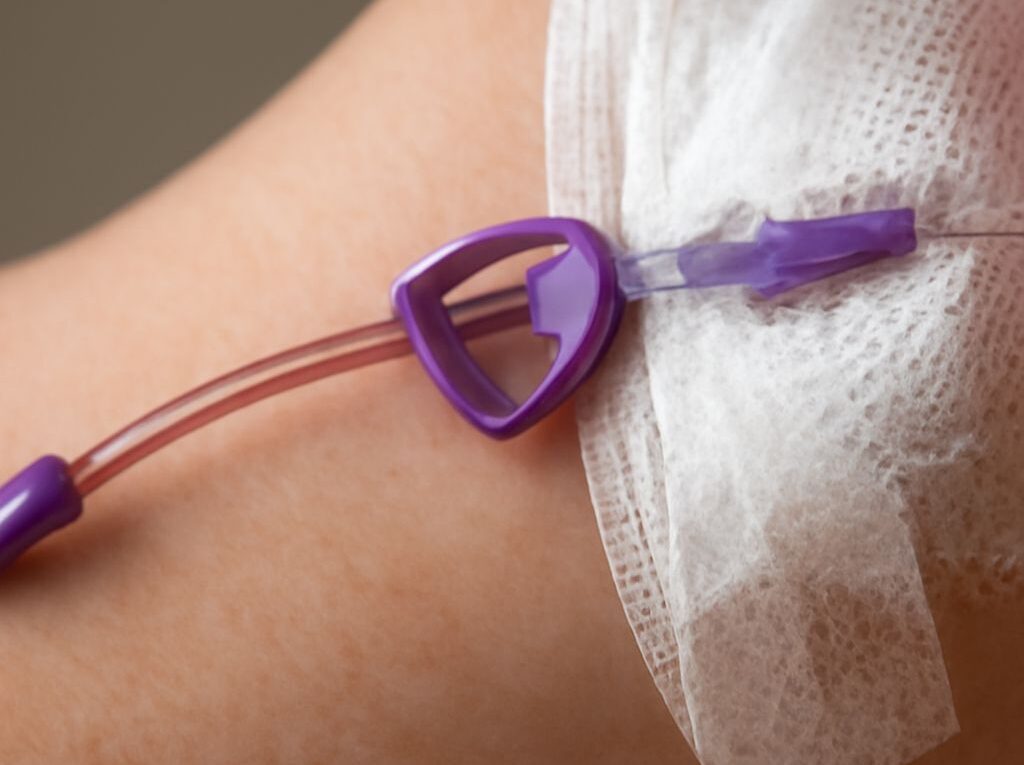
Understanding PICC Lines for Antibiotic Treatment
A PICC line, or Peripherally Inserted Central Catheter, is a type of medical device used to deliver intravenous medications over an extended period. Often inserted into the arm, it reaches a large vein near the heart, allowing for efficient and effective delivery of treatments, such as antibiotics. Understanding the role and benefits of a PICC line can help patients and caregivers manage their medical needs more effectively.
What is a PICC Line?
A PICC line is a long, thin, flexible tube inserted through a vein in the arm, specifically designed for long-term intravenous access. The catheter is guided through the veins until it reaches a large vein near the heart. This placement allows for the administration of medications, fluids, or nutrients directly into the bloodstream, providing a reliable and less invasive alternative to repeated needle sticks.
Why Use a PICC Line for Antibiotics?
PICC lines are particularly beneficial for patients requiring long-term antibiotic therapy. Using a PICC line for antibiotics reduces the need for multiple needle insertions, which can be both painful and prone to complications. This method is ideal for treating chronic infections that require prolonged antibiotic administration. It ensures consistent medication levels in the bloodstream, improving treatment efficacy and patient comfort.
Placement of a PICC Line in the Arm
The placement of a PICC line in the arm is a minimally invasive procedure performed by a trained healthcare professional. Using ultrasound guidance, the catheter is inserted into a vein, typically in the upper arm, and advanced towards a central vein. The process is generally quick, often completed at the bedside or in an outpatient setting. Patients might experience minor discomfort, but the procedure is generally well-tolerated.
Benefits and Considerations of PICC Lines
PICC lines offer several advantages, including reducing the need for repeated venipuncture and minimizing discomfort for patients who require regular intravenous therapy. They are versatile, allowing for the delivery of a wide range of medications beyond antibiotics, such as chemotherapy and total parenteral nutrition.
- Reduced Infection Risk: Compared to other central venous catheters, PICCs are associated with a lower risk of infection when properly cared for.
- Long-Term Use: PICCs can remain in place for weeks to months, making them suitable for extended treatment courses.
- Patient Mobility: Patients often experience greater autonomy and mobility with a PICC line, which can be easily managed at home with proper instructions.
However, the use of PICCs also requires careful management to prevent complications, such as clotting or infection. Regular flushing and monitoring by healthcare professionals are crucial to maintain the line’s functionality and safety. Proper education on PICC line care is essential for patients and caregivers to ensure optimal outcomes.