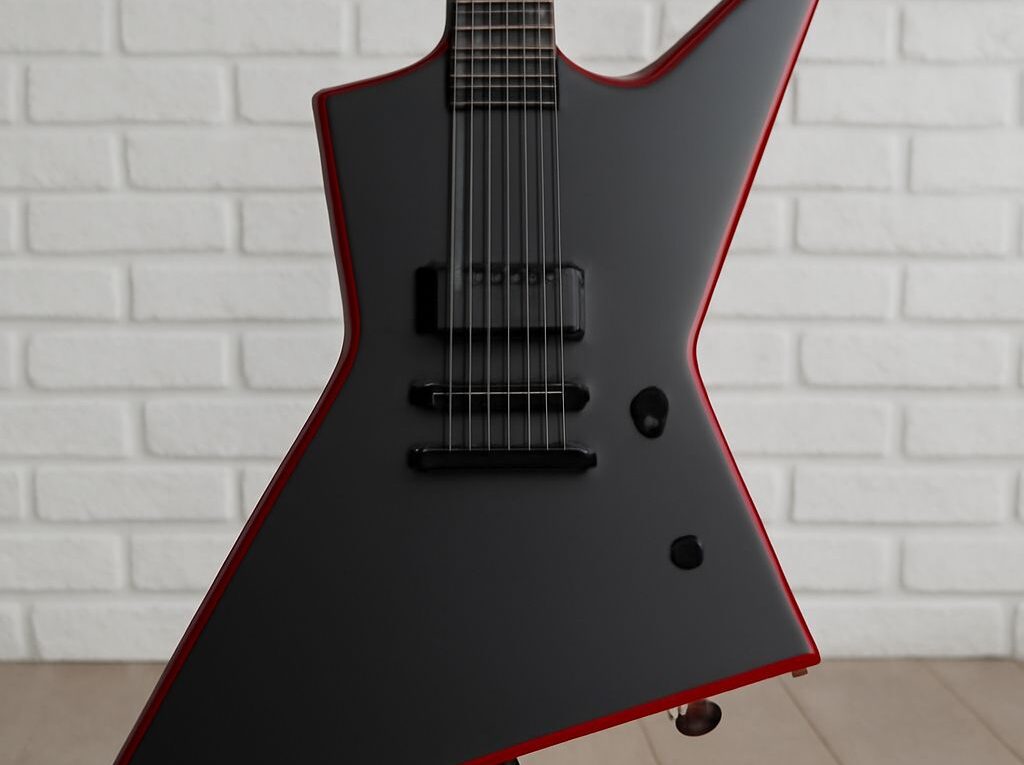
Exploring the World of 7 String Guitars
The world of 7 string guitars offers musicians a broader range of musical expression. These instruments provide an extended range that opens up new possibilities for creativity and innovation. Whether you’re a seasoned musician or a beginner looking to explore new sounds, understanding the unique aspects and benefits of these guitars can enhance your musical journey.
What Makes 7 String Guitars Unique?
7 string guitars add an extra string to the traditional six-string setup, usually a low B. This additional string expands the guitar’s range, allowing for deeper bass notes and more complex chord voicings. This extension is particularly appealing to genres like metal, jazz, and progressive rock, where intricate melodies and rich harmonies are essential.
Benefits of Playing a 7 String Electric Guitar
The 7 string electric guitar offers several advantages. Firstly, it provides a greater tonal range, enabling musicians to play lower pitches without the need for alternative tunings. This is especially beneficial for players who want to maintain a standard tuning while still accessing a broader pitch spectrum.
Moreover, these guitars allow for more dynamic and expressive playing. Musicians can create thicker and more layered sounds, making them ideal for both rhythm and lead roles. Additionally, the extended range facilitates the crafting of unique riffs and solos that stand out in a mix.
Choosing the Right 7 String for You
Selecting the right 7 string guitar depends on several factors, including genre, playing style, and personal preference. Consider the following aspects when making your choice:
- Body Type: Solid body guitars are popular in metal for their sustain and feedback resistance. Semi-hollow or hollow body options may appeal to jazz musicians.
- Neck Profile: Comfort is crucial. A thinner neck may be preferable for fast playing, while a thicker neck can offer more stability.
- Pickups: Active pickups are favored for their clarity and high output, while passive pickups offer a more traditional and organic sound.
- Scale Length: A longer scale length can provide better string tension, especially for the lower string, resulting in clearer notes.
Tips for Mastering the 7 String
Transitioning to a 7 string guitar can be challenging but rewarding. Here are some tips to help master this instrument:
- Start Slow: Focus on familiarizing yourself with the additional string. Practice scales and simple chords to gain confidence.
- Explore Tunings: While the standard tuning includes a low B, experimenting with different tunings can inspire creativity.
- Incorporate Exercises: Use finger exercises to build strength and agility, especially for the extended fretboard.
- Listen and Learn: Study 7 string guitarists across various genres. Learn their techniques and incorporate them into your style.
By understanding the unique features and advantages of 7 string guitars, musicians can expand their creative horizons and enhance their musical expression.