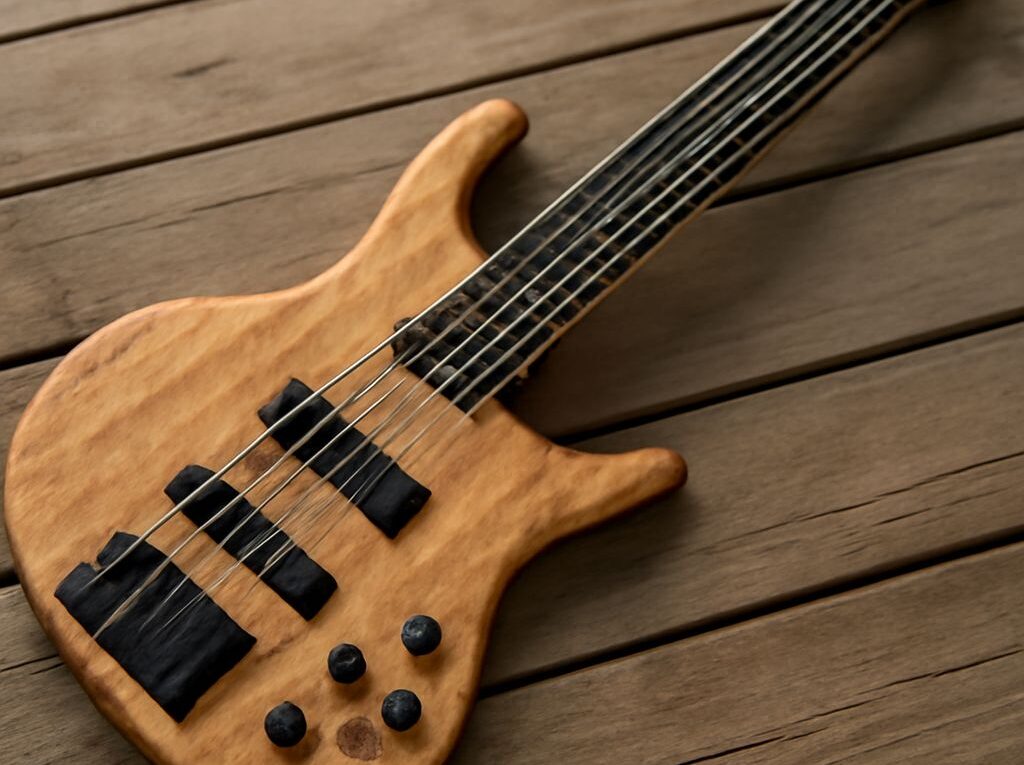
Exploring Headless Bass and Guitars: A Modern Take
In the ever-evolving world of musical instruments, headless bass and headless guitars are gaining traction among musicians seeking modern innovation. These instruments, characterized by the absence of a traditional headstock, offer unique benefits and are becoming a staple in contemporary music settings.
What Are Headless Bass and Guitars?
Headless bass and guitars are string instruments that lack a headstock, where tuning pegs are traditionally located. Instead, the tuning mechanisms are integrated into the body of the instrument. This design not only creates a sleek, minimalist aesthetic but also provides functional advantages.
The concept was popularized in the 1980s, notably by Ned Steinberger, whose designs emphasized ergonomics and balance. These instruments are particularly favored in genres that prioritize precision and technicality, such as progressive rock and jazz fusion.
Benefits of Headless Instruments
The absence of a headstock in headless bass and guitars offers several advantages:
- Improved Balance: Without the headstock, the weight distribution shifts towards the body, resulting in better balance and less strain on the player’s shoulders and neck.
- Compact Design: The reduced length makes these instruments more portable, ideal for traveling musicians and those with limited storage space.
- Tuning Stability: The tuning system at the bridge provides enhanced stability, reducing the likelihood of tuning issues due to environmental changes.
- Enhanced Sustain: The direct transfer of string vibrations to the body can lead to improved sustain, beneficial for certain playing styles.
Choosing the Right Headless Guitar or Bass
When selecting a headless guitar or bass, consider the following factors to find the perfect fit for your needs:
- Genre and Style: Determine which instrument suits your musical style. Genres requiring precision, like metal or jazz, might benefit significantly from a headless design.
- Budget: Headless instruments vary widely in price. Brands such as Strandberg and Kiesel offer high-quality options at different price points.
- Features: Look for specific features such as number of strings, wood type, and pickup configuration to ensure the instrument meets your technical requirements.
- Feel and Comfort: Consider the ergonomics and playability. Trying different models can help ensure that the instrument feels right in your hands.
Headless bass and guitars are more than just a design trend; they represent a significant advancement in instrument technology. Their unique construction caters to modern musicians looking for comfort, portability, and enhanced playing experience.