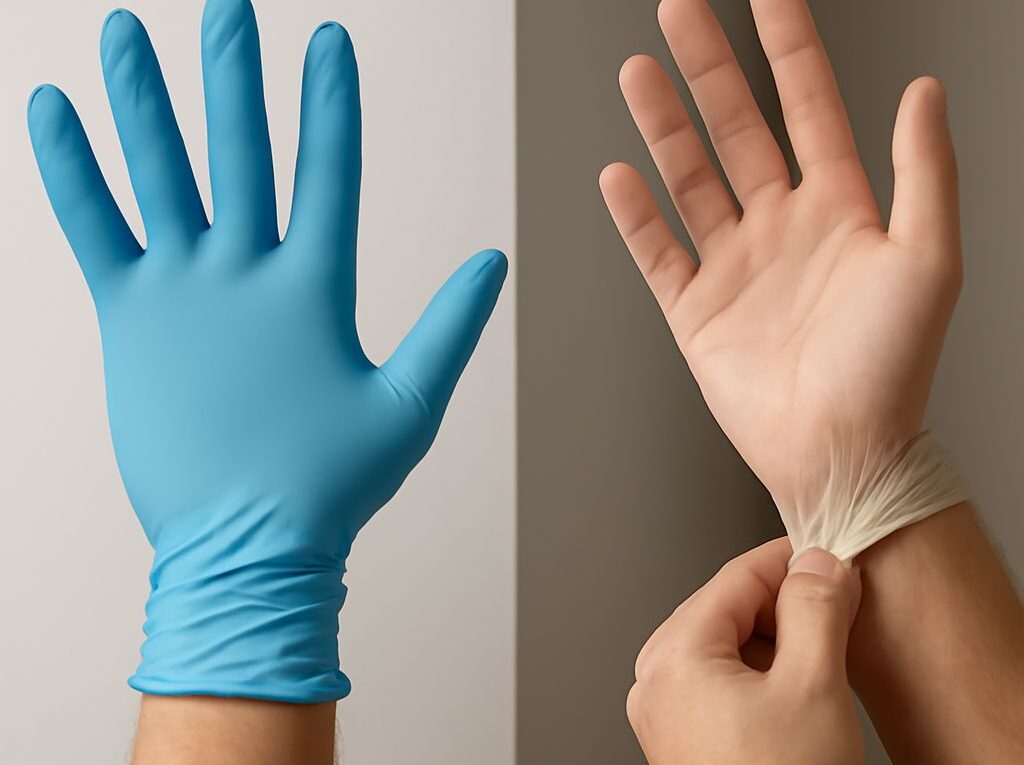
Nitrile vs Vinyl Gloves: Choosing the Right Option
When choosing disposable gloves, understanding the differences between nitrile and vinyl gloves is crucial for selecting the right option for your needs. Each type offers distinct advantages in terms of safety, comfort, and cost-effectiveness. This guide delves into the characteristics and ideal uses of both nitrile and vinyl gloves to aid your decision-making process.
Understanding Nitrile and Vinyl Gloves
Nitrile gloves are made from synthetic rubber, known for their durability and resistance to chemicals, making them ideal for various medical and industrial applications. They offer high puncture resistance and excellent barrier protection, which is essential in high-risk environments.
Vinyl gloves, on the other hand, are crafted from PVC (polyvinyl chloride). They are generally less durable than nitrile but provide a cost-effective solution for tasks that involve minimal risk. Vinyl gloves are often used in food handling and low-risk healthcare settings.
Key Differences Between Nitrile and Vinyl
The primary differences between nitrile and vinyl gloves lie in their material properties, comfort, and suitability for specific tasks. Here are the key factors to consider:
- Material Strength: Nitrile gloves are significantly more resistant to tears and punctures than vinyl gloves, making them suitable for demanding environments.
- Chemical Resistance: Nitrile gloves provide superior protection against a wide range of chemicals, whereas vinyl gloves offer limited chemical resistance.
- Allergen Potential: Both nitrile and vinyl gloves are latex-free, reducing the risk of allergic reactions compared to latex gloves.
- Fit and Comfort: Nitrile gloves conform better to the hand, providing enhanced comfort and dexterity compared to the looser fit of vinyl gloves.
- Cost: Vinyl gloves are typically more affordable than nitrile gloves, making them a budget-friendly option for short-term use.
When to Choose Nitrile Gloves
Nitrile gloves are well-suited for environments where durability and high-level protection are crucial. Consider using nitrile gloves in the following scenarios:
- Medical Settings: Ideal for medical examinations and procedures requiring strong barrier protection.
- Laboratories: Suitable for handling chemicals and biological hazards.
- Automotive and Industrial Work: Offers protection against oils, solvents, and mechanical wear.
- Tattoo and Beauty Industries: Required for safety when dealing with inks and dyes.
When to Choose Vinyl Gloves
Vinyl gloves are best for tasks where high durability is not a priority, providing an economical choice for the following uses:
- Food Handling: Perfect for preventing cross-contamination in food service environments.
- Housekeeping: Suitable for cleaning tasks that do not involve harsh chemicals.
- Low-Risk Healthcare Settings: Appropriate for tasks like patient examinations where minimal exposure to bodily fluids is expected.
- General Use: A cost-effective option for routine tasks that require basic hand protection.
In summary, deciding between nitrile and vinyl gloves depends on the specific requirements of your task, including the level of protection needed, the frequency of use, and budget considerations. By evaluating these factors, you can make an informed choice that aligns with your safety and cost-effectiveness goals.