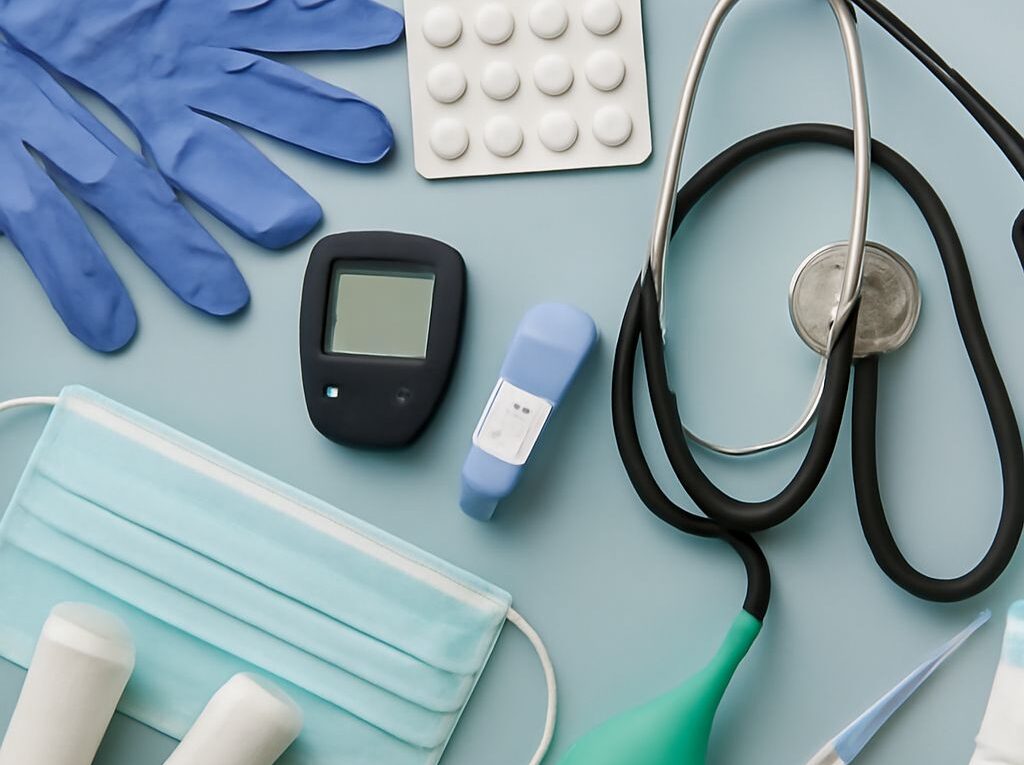
A Practical Guide to Healthcare Equipment and Network Services
Healthcare equipment enables better patient outcomes by supporting diagnosis, treatment, and daily living needs in both clinical and home settings. Understanding the range of available devices, the role of a durable medical equipment company, and the importance of network services can help patients, families, and providers make informed decisions. Selecting the right healthcare equipment provider further ensures quality, reliability, and continuity of care.
Understanding Healthcare Equipment and Its Importance
Healthcare equipment encompasses a wide spectrum of devices and tools designed to aid in patient care, rehabilitation, and monitoring. These items range from basic mobility aids such as wheelchairs and walkers to advanced medical technology like oxygen concentrators, ventilators, and infusion pumps. The right healthcare equipment can make a significant difference in a patient’s independence, comfort, and safety—especially for those managing chronic conditions, recovering from surgery, or aging in place.
The importance of healthcare equipment extends beyond the devices themselves. Properly selected and maintained equipment helps prevent hospital readmissions, reduces the risk of injury, and supports effective care at home. For example, hospital beds with adjustable settings can decrease pressure ulcers, while nebulizers and CPAP machines manage respiratory issues more effectively outside of a hospital environment. In addition, durable devices are built to withstand long-term use, minimizing replacement costs and disruptions in care.
Healthcare equipment also supports caregivers by simplifying daily routines. Lift chairs, transfer boards, and commode chairs make it easier and safer to assist patients with limited mobility. Telehealth monitors allow for remote tracking of vital signs, ensuring timely intervention when health metrics fall outside safe parameters. This broad ecosystem of devices forms the backbone of modern patient-centered care strategies.
How a Durable Medical Equipment Company Supports Care
A durable medical equipment company specializes in the provision, setup, and maintenance of long-lasting medical devices for patient use in homes and healthcare facilities. These companies supply essential items such as hospital beds, mobility scooters, blood glucose monitors, and orthopedic supports. In addition to supplying devices, they play a crucial role in educating patients and families on the proper operation and care of equipment, ensuring both safety and effectiveness.
Durable medical equipment companies streamline the process of acquiring necessary healthcare equipment by coordinating with prescribing physicians, insurance providers, and patients. Many companies offer evaluation services to ensure the selected devices meet individual clinical needs and comply with payer requirements. This support helps patients navigate complex coverage rules and reimbursement procedures, which can otherwise be barriers to access.
After delivery, a reputable durable medical equipment company provides ongoing services such as routine maintenance, repairs, and replacement parts. Some also offer emergency support for critical equipment failures, minimizing patient risk. By managing these service aspects, the company relieves burdens from caregivers and clinical staff, improving continuity of care and patient satisfaction.
Network Services That Connect Patients and Providers
Modern healthcare equipment providers rely on network services to enhance communication, device monitoring, and data sharing. These services create connections between patients, caregivers, and healthcare professionals, enabling more responsive and coordinated care. For instance, remote monitoring solutions allow providers to review real-time data from devices such as blood pressure cuffs or glucose meters, identifying potential problems before they escalate.
Network services may include patient portals for equipment ordering, automated reminders for maintenance, and secure messaging channels for support inquiries. Some durable medical equipment companies also integrate with electronic health record (EHR) systems, streamlining documentation and facilitating insurance claims processing. This connectivity reduces administrative overhead and speeds up care transitions, especially when patients are discharged from hospitals to home settings.
Telehealth-compatible solutions further expand options for patients with mobility challenges or those living in rural areas. Video consultations for equipment setup or troubleshooting can resolve issues faster, decreasing the need for in-person service visits. By leveraging network services, providers can deliver more proactive and efficient support across diverse patient populations.
Choosing the Right Healthcare Equipment Provider
When selecting a healthcare equipment provider, several criteria ensure safe and reliable service. Accreditation by organizations such as The Joint Commission or ACHC indicates adherence to industry standards and regulatory compliance. Checking for experience with specific conditions—such as respiratory therapy or diabetes management—can result in better equipment matches and more knowledgeable support staff.
Responsive customer service, including 24/7 support for urgent needs, distinguishes leading durable medical equipment companies. Transparency in pricing, insurance billing, and warranty policies also builds trust and prevents unexpected costs. Many patients benefit from providers who offer in-home delivery, setup, and personalized instruction, reducing stress during transitions from hospital to home.
Evaluating a provider’s maintenance program and turnaround time for repairs ensures minimal disruption in care. Asking for references or reading customer testimonials offers insight into real-world reliability. Ultimately, the best healthcare equipment provider combines quality products, expert guidance, and robust support services to help patients achieve optimal health and independence.