What Is a CPM Machine? Understanding Continuous Passive Motion Devices
A Continuous Passive Motion (CPM) machine is a motorized device designed to move a joint continuously and gently through a controlled range of motion. These machines are most commonly used after certain types of surgery or injury to help restore movement, prevent stiffness, and promote healing in the affected area. The CPM knee machine, in particular, is widely prescribed following knee surgeries, such as total knee replacement or ligament repair, as part of a structured rehabilitation plan. By automating the bending and straightening of a joint, a CPM machine helps support recovery while minimizing the need for active effort from the patient.
What is a CPM machine?
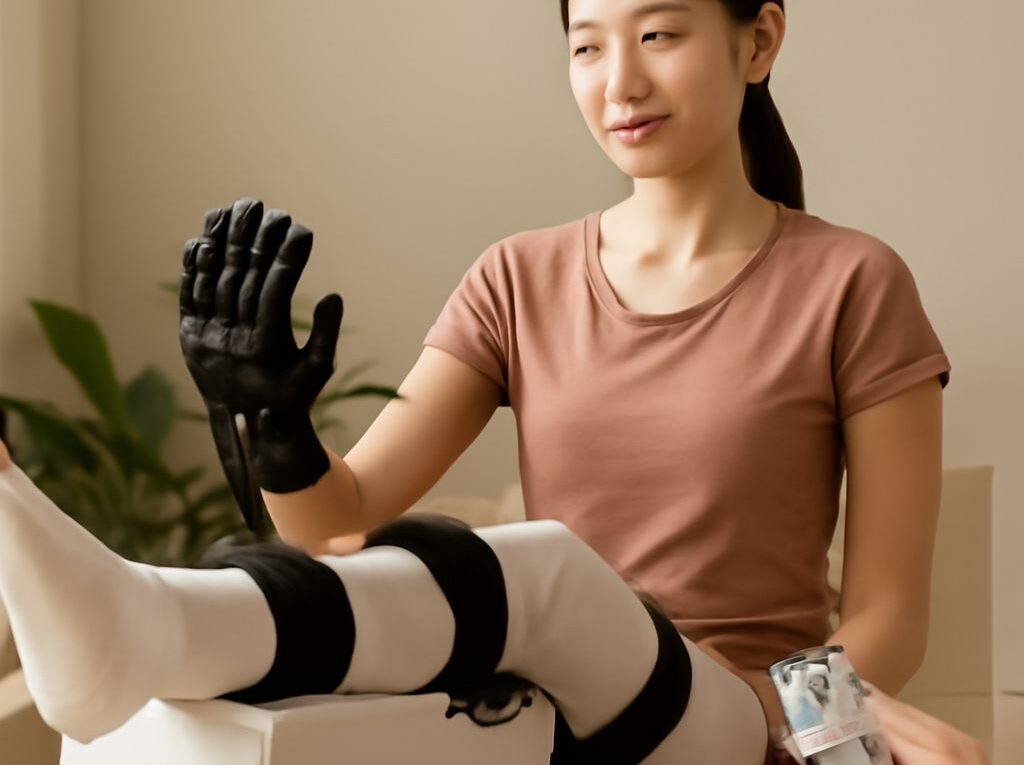
A CPM machine is a therapeutic device used in physical rehabilitation to maintain or improve joint mobility. The term “CPM” stands for Continuous Passive Motion, referring to the machine’s ability to move a joint repeatedly without patient effort. These machines are available for various joints, including the knee, shoulder, elbow, and hip, but the CPM knee machine is the most common model. It typically consists of a padded cradle for the limb, a motorized mechanism to create movement, and a control panel to adjust the speed, range, and duration of motion.
The primary goal of a CPM machine is to reduce complications following surgery, especially those that can occur when a joint remains immobile for extended periods. By gently moving the joint soon after an operation, the machine assists in minimizing scar tissue formation, joint stiffness, and swelling. CPM therapy is often initiated within hours or days after surgery, depending on the surgeon’s protocol and the patient’s specific needs.
How does a CPM knee machine work?
A CPM knee machine works by cradling the leg and steadily moving it through a set arc of flexion and extension. The patient’s leg is securely placed in the machine, and the device is programmed to begin slow, rhythmic bending and straightening motions. Most units allow precise adjustment of speed, range of motion, and total treatment time to match the patient’s stage of recovery and comfort level. The motor drives the movement while the patient remains at rest, ensuring continuous passive exercise without any muscular effort.
CPM knee machines are usually utilized in a hospital setting immediately after operation, but portable models are available for use at home as rehabilitation progresses. Sessions commonly last from 30 minutes to several hours, sometimes multiple times a day, depending on the treatment plan. The therapist or healthcare provider sets the machine to start with a limited range of motion, which can gradually be increased as healing continues and pain subsides. Throughout use, the patient is monitored for discomfort, swelling, and overall progress.
Benefits of using a CPM machine for recovery
The use of a CPM machine offers several key advantages in the rehabilitation process. One of the most significant benefits is the prevention of joint stiffness and loss of motion, which are common risks after procedures that require immobilization. Continuous passive motion helps to keep the joint surfaces lubricated, reducing friction and supporting cartilage health. This, in turn, can speed up the recovery of range of motion and promote faster return to daily activities.
CPM therapy can also reduce postoperative pain and swelling by stimulating circulation in the affected area. Improved blood flow aids in the removal of metabolic waste and delivers nutrients essential for healing. Additionally, early gentle movement with a CPM knee machine may decrease the likelihood of excessive scar tissue (arthrofibrosis), making future physical therapy more effective and decreasing the need for additional interventions. For many patients, consistent use of a CPM machine contributes to a smoother, more comfortable recovery experience.
While not all studies agree on the magnitude of benefits, especially for long-term functional outcomes, most clinical protocols recognize CPM machines as helpful in the early stages of recovery for select patients. The technology is especially valued in cases where traditional active motion is impractical or too painful in the initial weeks after surgery.
Who should consider using a CPM machine?
CPM machines are most often recommended for individuals recovering from orthopedic surgeries that involve joint reconstruction or repair. The CPM knee machine is commonly prescribed after total knee replacement, anterior cruciate ligament (ACL) repair, cartilage procedures, and certain fracture treatments. Patients who are at higher risk for stiffness—such as those with previous joint problems, extensive scarring, or limited movement ability—may benefit most from early and consistent continuous passive motion therapy.
Doctors may also suggest a CPM machine for people who are unable to participate in active rehabilitation due to pain, muscle weakness, or other medical conditions. The decision to use a CPM device is made by the surgical team or physical therapist based on the specific procedure, patient health status, and overall recovery goals. Contraindications include unstable fractures, severe infection, or conditions where joint movement is not advised. Patients considering CPM therapy should discuss the risks, benefits, and expected outcomes with their medical provider to determine if this approach matches their needs.