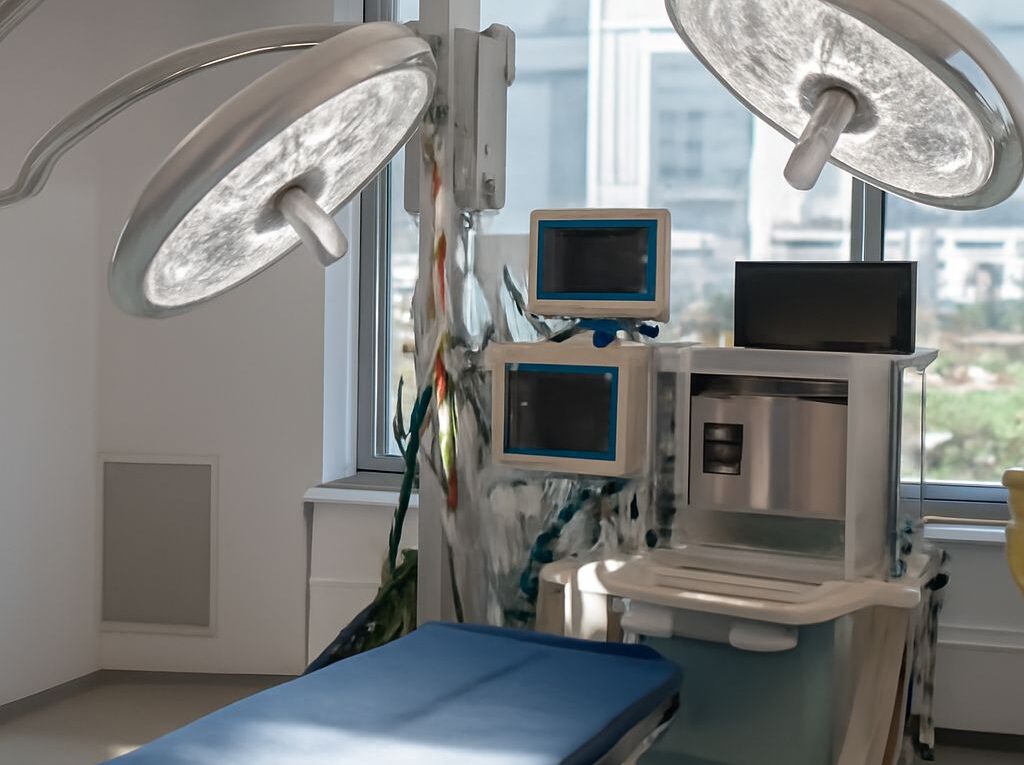
An Introduction to Anesthesia Machines and Essential Equipment
Anesthesia machines play a critical role in modern healthcare by delivering precise and controlled anesthesia to patients undergoing surgical and diagnostic procedures. Alongside other anesthesia equipment, these devices are fundamental in maintaining patient safety, controlling pain, and ensuring that procedures can be performed effectively. Understanding what anesthesia machines are, their components, and how to select and maintain them is essential for any medical facility.
What Is an Anesthesia Machine?
An anesthesia machine is a medical device designed to deliver a continuous flow of a precisely mixed medical gas and anesthetic agent to a patient. Its primary function is to facilitate the induction and maintenance of anesthesia, allowing patients to remain unconscious and pain-free during surgery or other procedures. Core to its operation is the ability to blend oxygen, nitrous oxide, and volatile anesthetic agents in controlled amounts, with integrated safety features to prevent hypoxia or overdose.
Modern anesthesia machines are equipped with advanced monitoring systems and fail-safes to detect and alert clinicians to abnormal gas concentrations or equipment malfunctions. These machines are found in operating rooms, ambulatory surgical centers, labor and delivery suites, and any setting where anesthesia is administered. While older models operated primarily on mechanical principles, contemporary systems often include digital controls, integrated ventilators, and connectivity with electronic health records, further supporting precise patient care.
Key Components of Anesthesia Equipment
Comprehensive anesthesia equipment consists of several interconnected devices, each serving a vital function in the anesthesia process. The core components of anesthesia machines include:
- Gas Supply and Flowmeters: These regulate the flow of oxygen, nitrous oxide, and sometimes air, ensuring the correct gas composition for each patient.
- Vaporizers: These allow for accurate vaporization and delivery of liquid anesthetic agents, such as sevoflurane or isoflurane, mixing them with carrier gases.
- Breathing Circuits: These systems connect the machine to the patient, delivering anesthetic gases and removing exhaled carbon dioxide. They often include breathing bags, valves, and filters.
- Ventilators: Many modern anesthesia machines include built-in ventilators capable of supporting or completely controlling the patient’s breathing during procedures.
- Monitoring Devices: Integrated monitors track vital signs, including oxygen saturation, end-tidal CO2, airway pressures, and anesthetic concentrations, providing real-time safety data.
- Scavenging Systems: These are essential for removing excess or waste anesthetic gases from the operating environment, protecting staff from exposure.
Other essential anesthesia equipment includes airway management tools (such as laryngoscopes, endotracheal tubes, and supraglottic airways), suction devices, and emergency resuscitation equipment. Each element is crucial for patient safety and effective anesthesia delivery, and their configuration may vary depending on the facility’s needs and patient population.
Choosing the Right Anesthesia Machines for Your Facility
Selecting suitable anesthesia machines involves evaluating the clinical requirements, facility size, and patient demographics. Hospitals handling complex surgeries or high-risk patients may require advanced models with comprehensive monitoring, integrated ventilators, and electronic documentation capabilities. Smaller clinics or ambulatory centers may prioritize compactness, reliability, and straightforward user interfaces to streamline workflow.
Brand reputation, service support, and compliance with safety standards are key considerations. Leading manufacturers include GE Healthcare (Aisys CS2, Avance CS2), Dräger (Perseus A500, Fabius GS Premium), Mindray (WATO series), and Penlon (Prima series). Each offers a range of models tailored to different clinical settings and budgets. Facilities must also consider compatibility with existing anesthesia equipment, ease of training, and availability of technical support when making purchasing decisions.
Long-term value is often determined by the machine’s durability, software upgrade options, and the availability of replacement parts. Involving anesthesia providers, biomedical engineers, and purchasing managers in the decision process helps ensure the chosen system aligns with clinical and operational needs.
Safety and Maintenance Tips for Anesthesia Equipment
Proper safety practices and regular maintenance are essential for ensuring reliable performance of anesthesia machines and associated equipment. Routine pre-use checks should verify gas supplies, calibrate vaporizers, test breathing circuits for leaks, and confirm monitor functionality. Consistent documentation of these checks supports compliance with clinical and regulatory standards.
Preventive maintenance, performed by trained biomedical technicians, typically includes scheduled inspections, cleaning of internal components, replacement of filters and worn parts, and software updates. Promptly addressing manufacturer recalls or service bulletins reduces risk and maintains the integrity of the anesthesia system.
Staff training is paramount; all anesthesia providers and support staff must be familiar with the specific models in use, including emergency procedures for equipment failure. Maintaining clear protocols for troubleshooting, backing up power supplies, and keeping spare critical components on hand helps prevent interruptions during patient care. By prioritizing regular inspection and proactive maintenance, facilities enhance patient safety and extend the service life of their anesthesia equipment.