How Wireless Pacemakers Are Changing Heart Care
The introduction of the wireless pacemaker marks a significant advancement in heart rhythm management. Unlike traditional models that require leads and a chest pocket, this new pacemaker is self-contained and implanted directly inside the heart. For patients and clinicians, these devices promise a less invasive approach with fewer complications and faster recovery times. Understanding how the wireless pacemaker works and its implications for patient care is essential as adoption increases worldwide.
What is a Wireless Pacemaker?
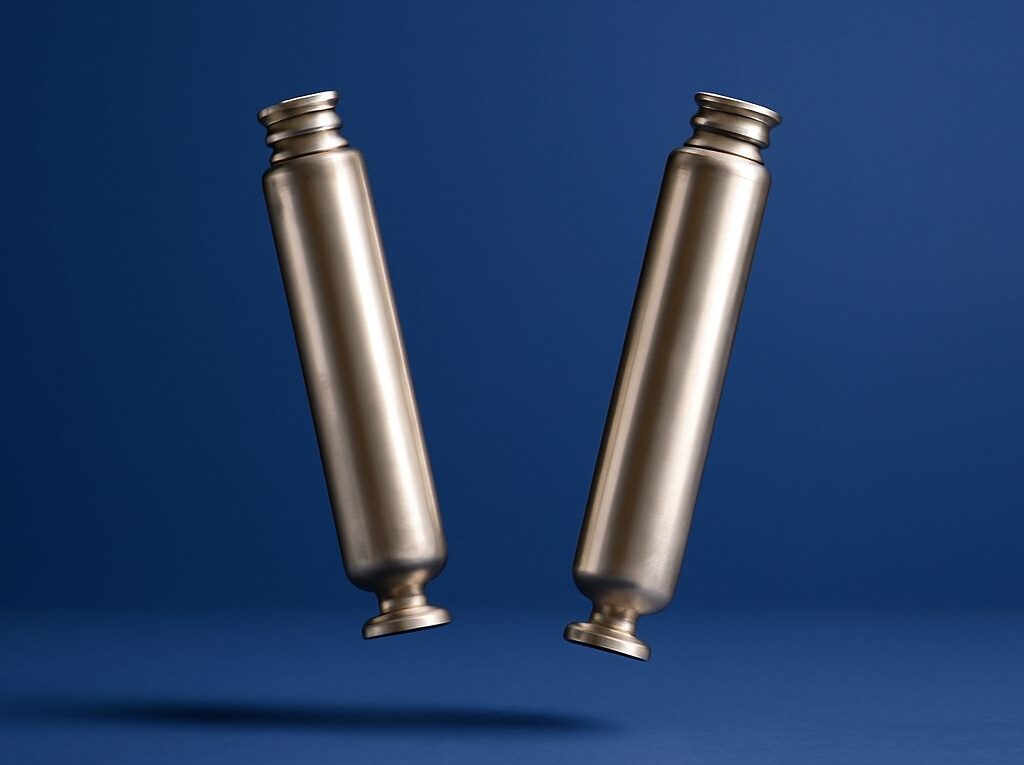
A wireless pacemaker, also known as a leadless pacemaker, is a small, self-contained device designed to treat certain types of arrhythmias by regulating the heart’s electrical activity. Unlike traditional pacemakers, which consist of a pulse generator placed under the skin and one or more leads (wires) threaded through blood vessels to the heart, the wireless pacemaker contains both the battery and electronics within a single capsule. This capsule is implanted directly into one of the heart’s chambers, typically the right ventricle.
The concept behind the new pacemaker is to reduce the complications associated with the leads and surgical pockets required in older designs. Leads in traditional systems can fracture, dislodge, or become infected over time. Wireless pacemakers eliminate these risks by removing the need for leads entirely, thus simplifying the implantation procedure and reducing the sites where infections can occur.
Major models on the market include the Medtronic Micra and Abbott’s Aveir VR. These devices are approved for specific types of slow heart rhythms, particularly in patients who need single-chamber ventricular pacing.
How the New Pacemaker Works
Implantation of a wireless pacemaker is performed via a minimally invasive procedure. The device is delivered using a catheter inserted through a vein in the leg, typically the femoral vein. Guided by advanced imaging, the new pacemaker is positioned inside the right ventricle, where it attaches to the heart wall with small, flexible tines or a helix.
Once in place, the wireless pacemaker senses the heart’s electrical signals and delivers small electrical impulses when needed to maintain an adequate heart rate. The device’s internal battery and electronics are sealed within a biocompatible casing, which helps prevent bodily rejection or corrosion over time.
Programming and follow-up are handled wirelessly. Physicians use an external programmer to adjust settings, check battery life, and monitor device performance. This approach eliminates the need for incisions in the chest or the creation of a pocket under the skin, significantly reducing postoperative discomfort and scarring for patients.
Battery life varies by model and patient pacing needs, but most current wireless pacemakers are designed to last between 8 and 12 years. When replacement is needed, the old device can usually be left in place while a new one is implanted nearby, further reducing procedural complexity.
Benefits and Limitations of Wireless Pacemakers
The primary advantage of a wireless pacemaker is the reduction in lead- and pocket-related complications. Without transvenous leads, there is a lower risk of infection, lead fracture, and vessel damage. The minimally invasive nature of the implantation results in shorter hospital stays, faster recovery, and less visible scarring, offering significant improvements in patient comfort and quality of life.
Because the new pacemaker is fully contained within the heart, it is less likely to be affected by physical activity or trauma compared to traditional systems. Patients report fewer restrictions on movement and are less likely to experience discomfort from the device itself.
However, wireless pacemakers have limitations. Currently, most are approved only for single-chamber pacing, primarily in the right ventricle, and are not suitable for patients who require pacing in multiple heart chambers or need cardiac resynchronization therapy (CRT). Device retrieval may be challenging if removal is necessary after long-term implantation, though most models are designed to remain safely in place if no infection occurs.
Battery replacement requires implanting a new device, as the existing one cannot be recharged or have its battery replaced. Additionally, wireless pacemakers are typically more expensive upfront than their traditional counterparts, though reduced complication rates may offset long-term costs.
Who Should Consider a Wireless Pacemaker?
Wireless pacemakers are most suitable for patients who require single-chamber pacing, such as those with chronic atrial fibrillation and slow ventricular response, or individuals with atrioventricular (AV) block who do not need pacing in the atrium. They are especially beneficial for patients with limited venous access, higher risk of infection, or previous complications with conventional pacemaker systems.
Elderly patients, those with active lifestyles, and individuals concerned about visible scarring or device-related discomfort may also benefit from the new pacemaker. People who have had device infections or who have had issues with leads in the past are often ideal candidates.
The decision to use a wireless pacemaker should be made after thorough evaluation by a cardiac electrophysiologist, considering the patient’s specific heart rhythm disorder, anatomy, and overall health status. As clinical experience grows and technology advances, indications for wireless pacemakers are likely to expand, offering more patients the advantages of this innovative approach to heart rhythm management.