How Packet Switching Works at Layer 2 and Well-Known Ports
See how packet switching works from app data to Ethernet frames, through Layer 2 MAC checks, then across IP next hops. Learn where TCP and UDP ports identify services.
Continue reading
See how packet switching works from app data to Ethernet frames, through Layer 2 MAC checks, then across IP next hops. Learn where TCP and UDP ports identify services.
Continue reading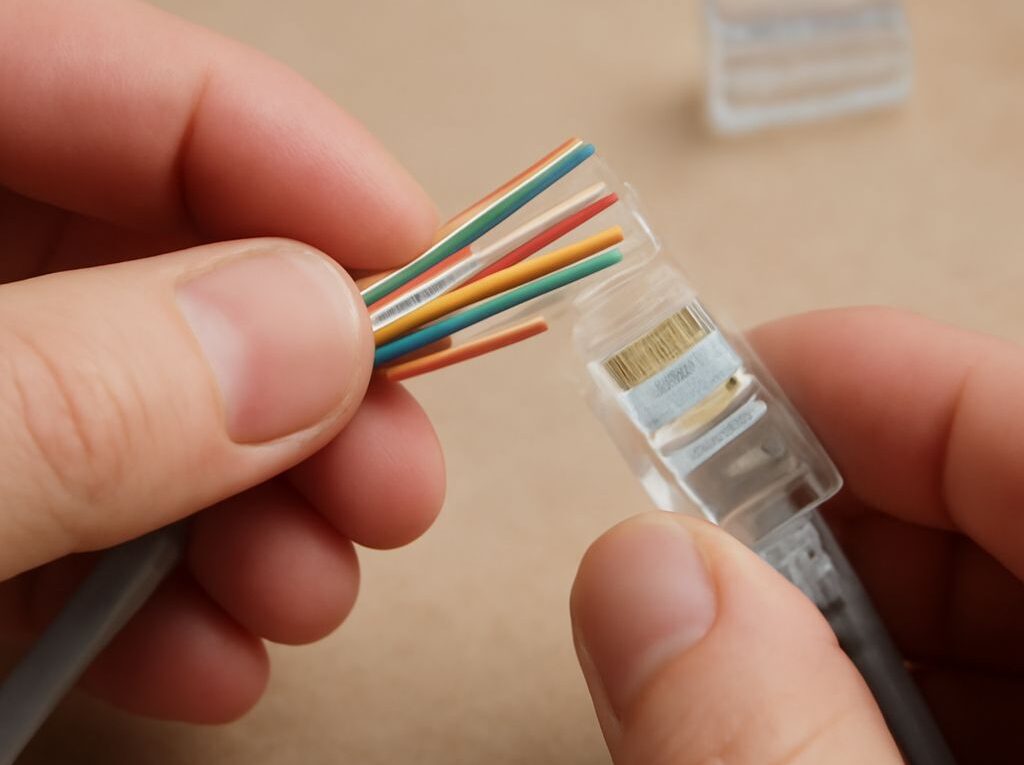
Learn the ethernet cable length limit: why a 100 m channel is not always a 100 m cable, how gauge and category affect runs, and when to use switches, extenders, or fiber.
Continue reading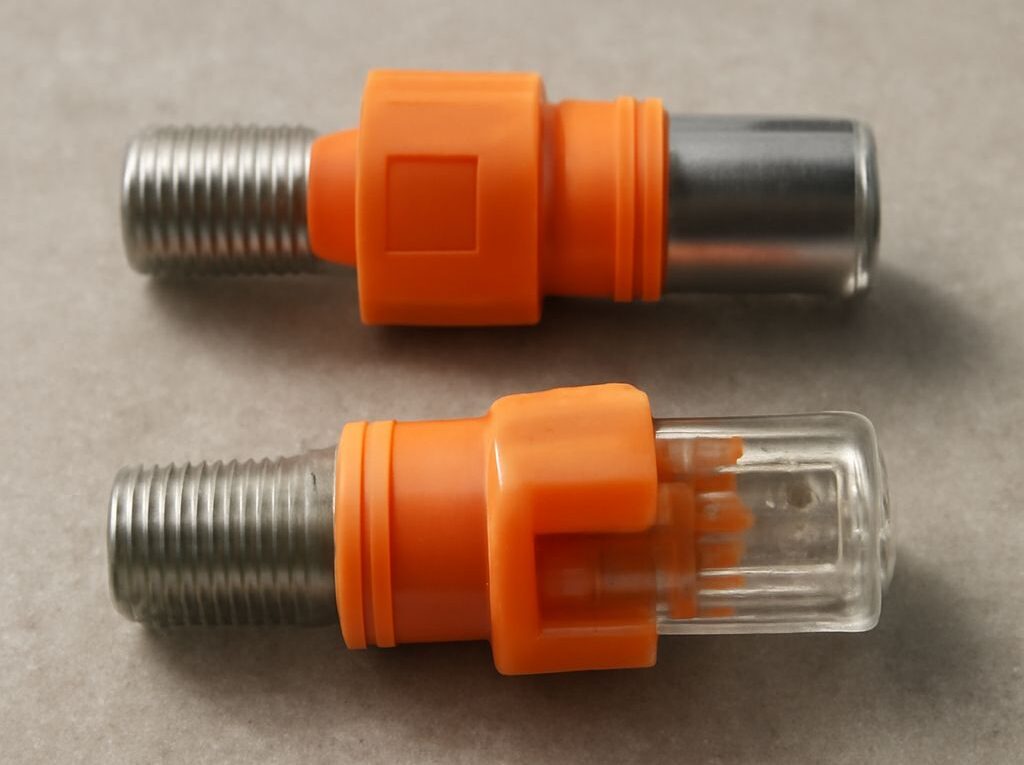
Coax to Cat5 setups rely on an active coax to Ethernet converter at both coax ends. Learn how to wire the Cat5/RJ45 end and check link lights, throughput, and stability.
Continue reading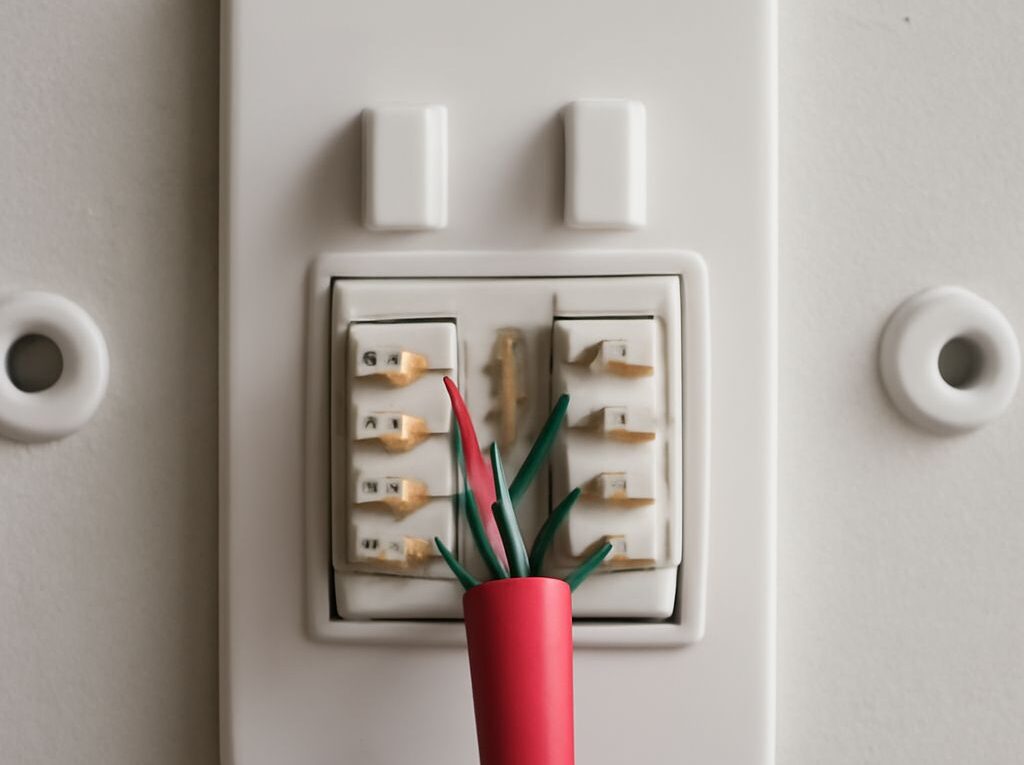
Cat5 vs Cat6 connectors share an 8P8C shape, but ratings, conductor size, shielding, and channel design affect performance. Compare plugs and jacks, then terminate Cat6 with confidence.
Continue reading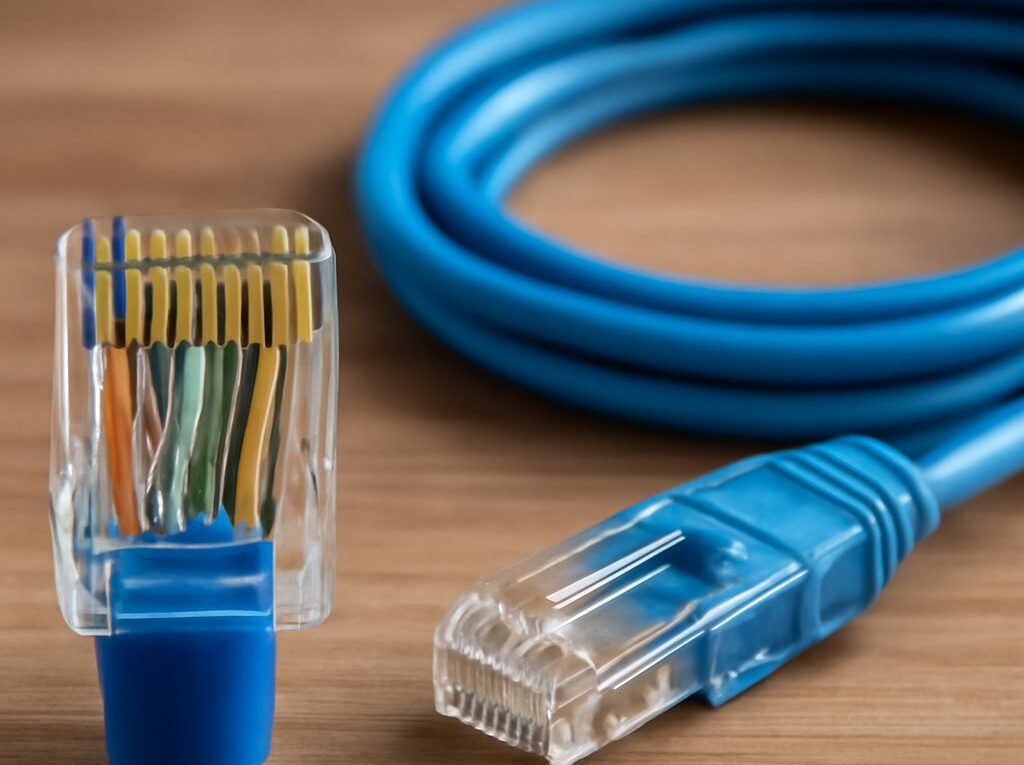
Learn the RJ45 crimp method: choose a compatible plug, arrange T568A or T568B wires, seat the jacket, crimp, and read tester results for opens, shorts, reversals, crosses, and split pairs.
Continue reading
A practical reference to telecommunication devices and telecommunication equipment, plus the company types that build, own, operate, and support modern communications networks.
Continue reading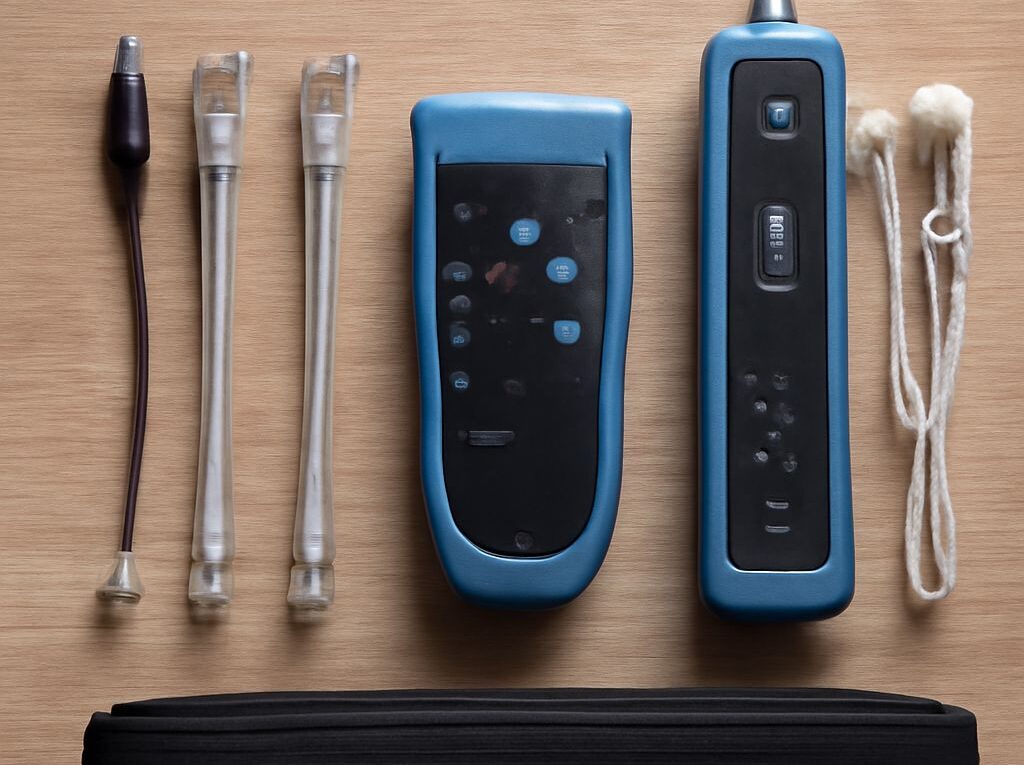
Choose the right Ethernet cable for your run by comparing Cat5, Cat5e, and Cat6, then use a continuity and wire-map tester to catch opens, shorts, and pair faults.
Continue reading
The default RDC port is 3389. Find the listener, connect with host:port syntax, change the setting, update firewall and NAT rules, and verify the service.
Continue reading
Types of Ethernet ports explained: compare RJ45, SFP, SFP+, and QSFP interfaces, then choose a compatible 50-foot Ethernet cable, module, connector, and fiber or copper link for a 10GbE switch.
Continue reading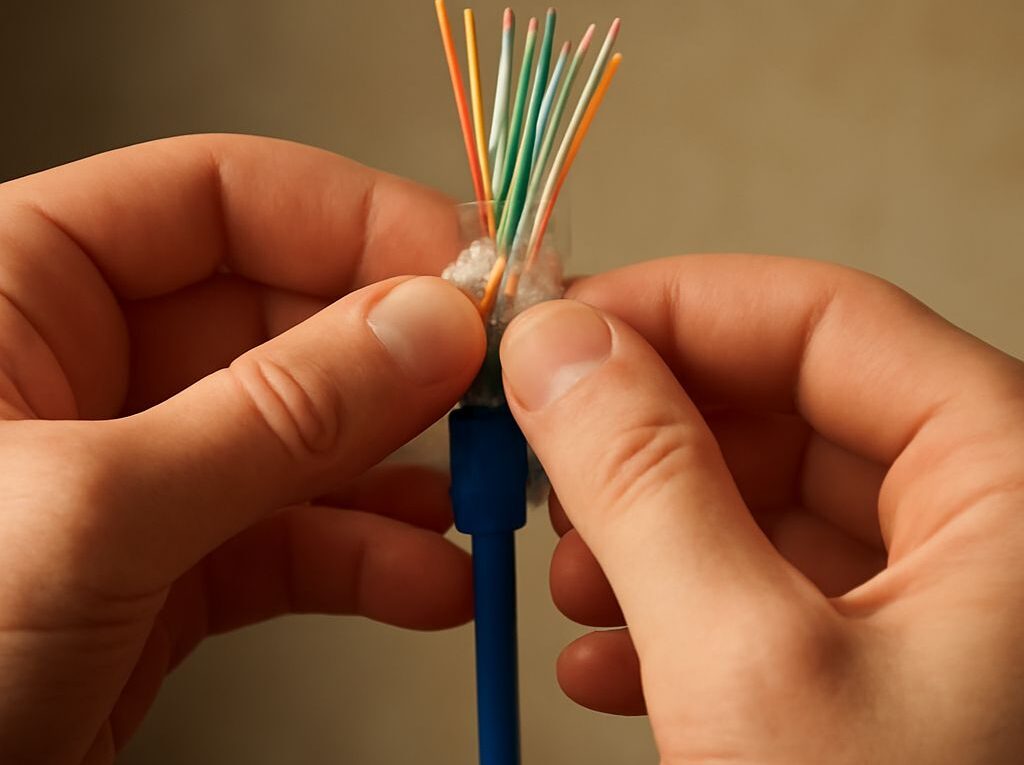
Find the newest ethernet cable for home, office, or faster links. Compare Cat5e, Cat6, Cat6A, and higher categories, then choose RJ45 wiring and test the connection.
Continue reading