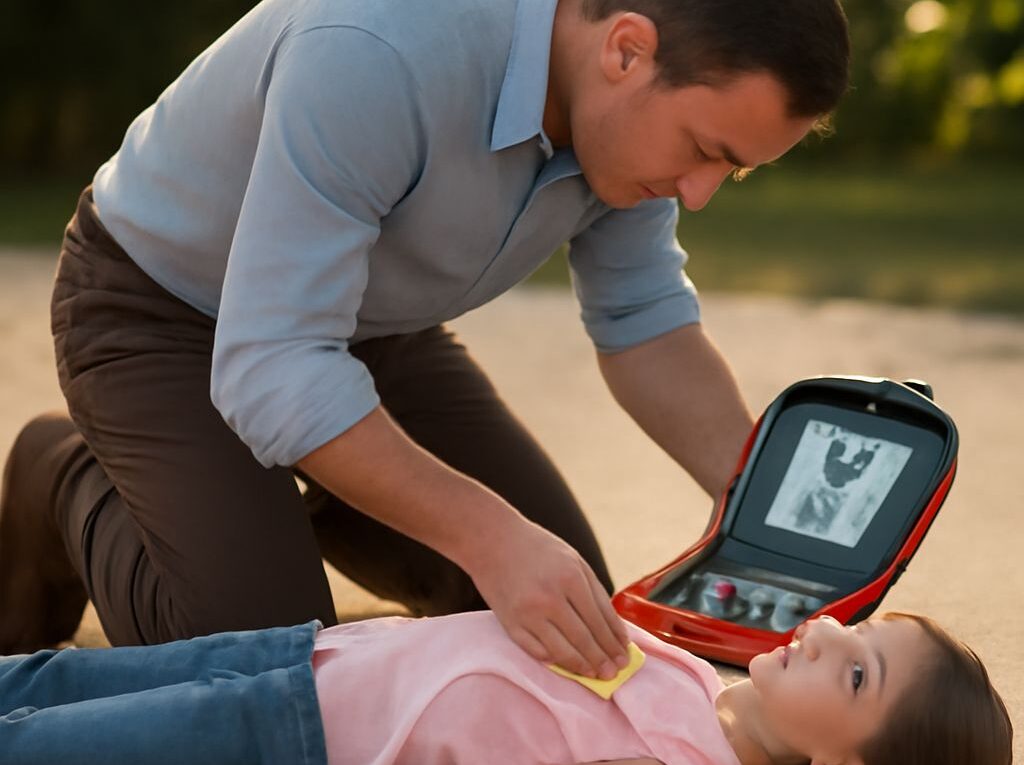
How to Use an AED: A Step-by-Step Guide
An Automated External Defibrillator (AED) is a portable medical device designed to treat sudden cardiac arrest by delivering an electric shock to the heart. This guide provides clear instructions on how to use an AED effectively, ensuring assistance is quick and safe during an emergency.
Understanding What an AED Is
An AED is a device that analyzes the heart’s rhythm and can deliver an electric shock if necessary to help the heart re-establish an effective rhythm. AEDs are designed to be used by laypersons and are commonly found in public spaces like airports, shopping centers, and sports venues. The device typically consists of a main unit and two adhesive pads that are applied to the patient’s chest.
Preparing to Use the AED
Before using an AED, ensure that the environment is safe for both the rescuer and the patient. Confirm that the patient is unresponsive and not breathing normally. Immediately call emergency services or have someone else call while you begin using the AED.
- Turn on the AED: Most devices have a green button or switch to power them on.
- Expose the Patient’s Chest: Remove any clothing from the patient’s chest to ensure good contact with the AED pads.
- Dry the Chest if Wet: Towel off any moisture to ensure the pads adhere properly.
- Shave Excessive Chest Hair: If the patient has a lot of chest hair, use a razor if available to ensure proper pad contact.
AED Steps for Effective Use
- Attach the AED Pads: Follow the diagrams on the AED pads for placement. Typically, one pad is placed on the upper right side of the chest, and the other on the lower left side under the armpit.
- Follow AED Prompts: Once the pads are attached, stop touching the patient and allow the AED to analyze the heart rhythm. The AED will instruct you if a shock is needed.
- Deliver a Shock if Advised: If the AED determines a shock is necessary, ensure that no one is touching the patient and press the shock button when prompted.
- Resume CPR: After the shock is delivered or if no shock is advised, immediately resume CPR starting with chest compressions. Follow any additional prompts from the AED.
After Using the AED: Next Steps
Once emergency medical personnel arrive, continue to assist as needed. Provide them with information about what actions were taken and how the patient responded. After the incident, ensure the AED is properly maintained by replacing any used components like pads and batteries, and review its operation to refresh your readiness for future emergencies.