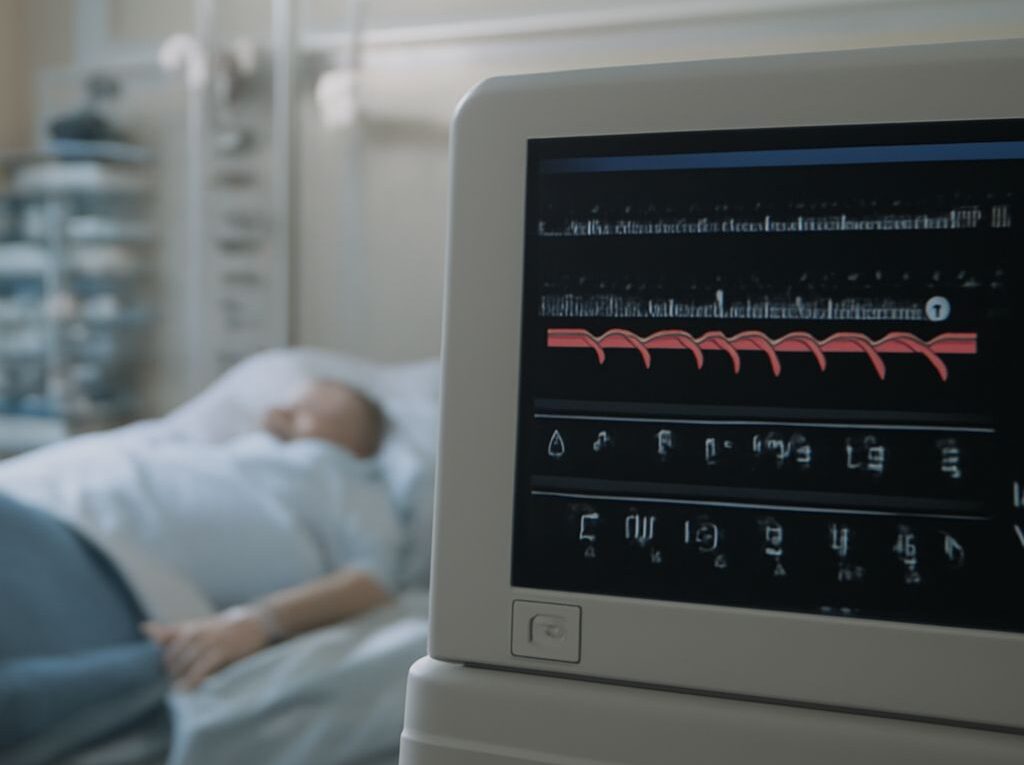
Understanding Cardiac Monitors: A Comprehensive Guide
Cardiac monitors play a vital role in assessing heart health by providing continuous or intermittent tracking of heart activity. They are especially useful for diagnosing irregular heart rhythms and other cardiac issues that might not be easily detected during a routine doctor’s visit. Understanding the different types of cardiac monitors and their specific functions can help individuals and healthcare providers make informed decisions about heart monitoring.
What is a Cardiac Monitor?
A cardiac monitor is a medical device used to observe and record the electrical activity of the heart. It helps in identifying any abnormalities in the heart rhythm, known as arrhythmias. These devices can be worn continuously or used at intervals, depending on the patient’s needs and the type of monitor. By monitoring the heart’s electrical signals, cardiac monitors provide valuable insights into heart health, assisting in diagnosis and treatment planning.
Types of Cardiac Monitors
There are several types of cardiac monitors, each designed for specific monitoring needs:
- Holter Monitor: A portable device worn for 24 to 48 hours to continuously record heart activity.
- Event Monitor: Used intermittently over weeks or months to record heart activity when symptoms occur. This includes the heart event monitor, which is activated by the user during an event.
- Mobile Cardiac Telemetry (MCT): Offers real-time monitoring and analysis of heart activity and is particularly useful for detecting sporadic arrhythmias.
- Implantable Loop Recorder: A small device implanted under the skin for long-term monitoring of heart rhythms.
How a 30-Day Heart Monitor Works
The 30-day heart monitor is a type of event monitor that records the heart’s activity over an extended period, typically a month. Patients wear it continuously, allowing for the detection of infrequent or sporadic heart arrhythmias. The device is often equipped with electrodes that adhere to the chest and record EKG data. Patients are instructed to trigger the recording when they experience symptoms such as dizziness, palpitations, or fainting. This long-term monitoring provides comprehensive data that helps in diagnosing conditions that might not occur during a short hospital stay or office visit.
Choosing the Right Heart Event Monitor
Selecting the appropriate heart event monitor depends on several factors, including the frequency and type of symptoms, the patient’s lifestyle, and specific medical advice. Holter monitors are ideal for continuous monitoring over a short duration, while an event monitor is suitable for patients with infrequent symptoms. For real-time data and analysis, a mobile cardiac telemetry system may be recommended. In cases requiring long-term monitoring, an implantable loop recorder might be the best option. Consultation with a healthcare professional can help determine the most suitable monitor based on individual health needs and diagnostic goals.