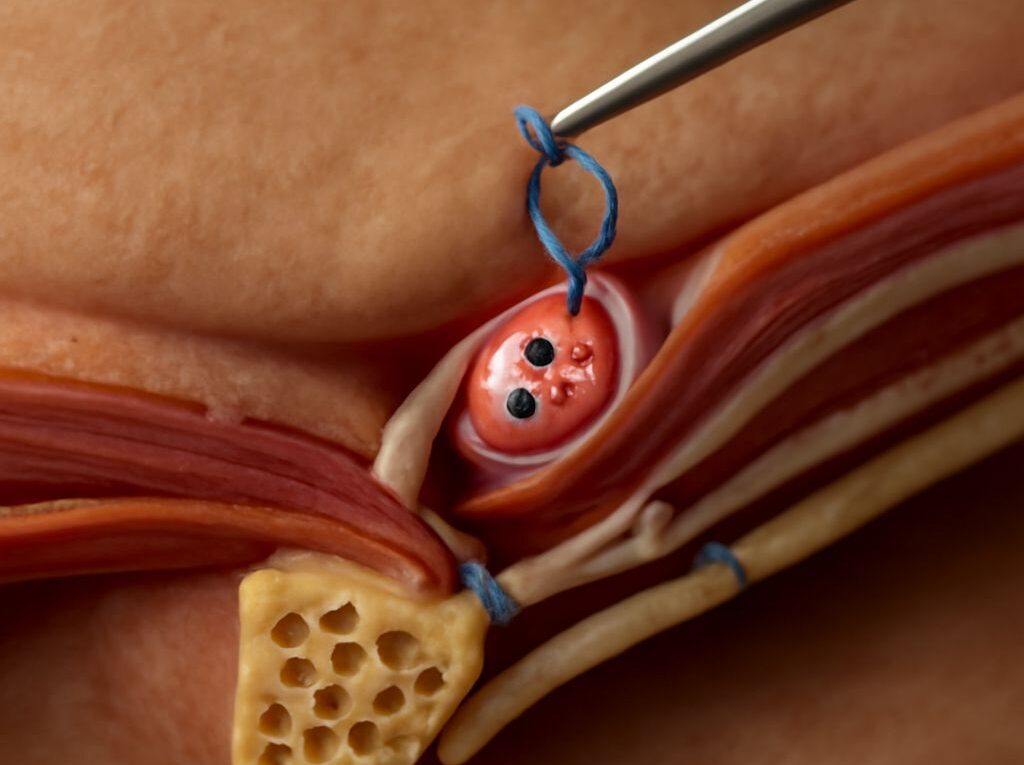
Understanding Hernia Mesh and Its Role in Repair
Hernia mesh is a crucial component in modern surgical procedures designed to repair hernias. Its usage has significantly improved the success rates and recovery times for patients undergoing hernia mesh repair. To understand its effectiveness, it is essential to explore what hernia mesh is made of and how it functions in mesh repair surgery.
What Is Hernia Mesh Made Of?
Hernia mesh is typically constructed from synthetic materials, most commonly polypropylene, which is a type of plastic. Polypropylene is favored for its durability and compatibility with human tissues. Some hernia meshes are made from composite materials, which may include a combination of absorbable and non-absorbable components. These designs allow for gradual integration into the body, while maintaining long-term strength.
In addition to synthetic options, some hernia meshes are made from biological materials, such as processed animal tissue. These can include collagen-based products that are engineered to be absorbed into the body over time. The choice of material is often determined by the specific needs of the patient and the location of the hernia.
How Hernia Mesh Aids in Repair
In hernia mesh repair, the mesh is used to reinforce the weakened or damaged areas of the abdominal wall. During surgery, the mesh is placed over the hernia defect and secured, providing a scaffold that encourages new tissue growth. This scaffolding effectively reduces the risk of hernia recurrence by strengthening the affected area.
Hernia mesh repair can be performed using various surgical techniques, including open surgery and laparoscopic procedures. The choice of the technique is influenced by the size and location of the hernia, the patient’s health status, and the surgeon’s expertise. The mesh itself plays a vital role in supporting the tissue as it heals, minimizing the chances of future complications.
Benefits and Considerations of Mesh Repair
One of the primary benefits of using hernia mesh is the reduction in recurrence rates compared to traditional suture repair methods. Mesh repair has been shown to provide better long-term outcomes, with a lower likelihood of the hernia reappearing. Additionally, mesh repair can lead to faster recovery times and reduced pain post-surgery, enabling patients to return to their daily activities more quickly.
However, there are considerations to keep in mind when opting for mesh repair. Potential complications can include infection, mesh migration, or adhesion formation. It is essential for patients to discuss these risks with their healthcare provider to make informed decisions about their surgical options. Furthermore, the choice of mesh material, whether synthetic or biological, should be tailored to the individual needs of the patient.
In conclusion, hernia mesh plays a vital role in modern hernia repair surgeries, offering numerous benefits while also requiring careful consideration of potential risks. By understanding what hernia mesh is made of and its function in mesh repair, patients can make informed choices about their treatment options.