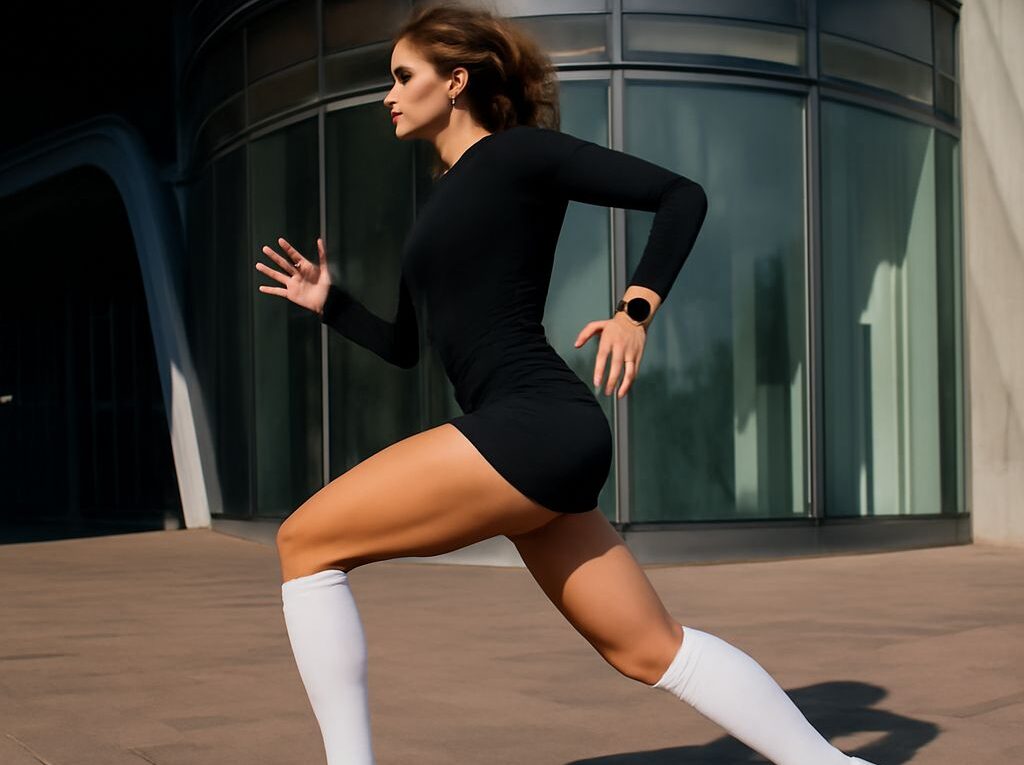
The Benefits of Athletic Compression Socks
Athletic compression socks have become a staple for many athletes looking to enhance performance and recovery. These specially designed socks apply gentle pressure to the legs, helping to improve circulation and reduce muscle fatigue. With a range of benefits, sport compression socks are an essential item for athletes in various disciplines.
Understanding Athletic Compression Socks
Athletic compression socks are crafted to provide graduated pressure on the legs, meaning the pressure is strongest at the ankles and gradually decreases towards the knees. This design helps to promote blood flow, decrease swelling, and reduce the risk of deep vein thrombosis.
Made from a blend of materials like nylon and spandex, these socks are both durable and comfortable. They are available in various lengths and compression levels, allowing athletes to choose the best fit for their specific needs and sports activities.
Key Benefits for Athletes
Sport compression socks offer a host of benefits that can significantly enhance athletic performance and recovery:
- Improved Circulation: By applying pressure to the legs, these socks help increase blood flow, delivering more oxygen to the muscles. This can enhance performance by reducing fatigue during intense activities.
- Reduced Muscle Soreness: The compression aids in minimizing the accumulation of lactic acid in muscles, which can lead to reduced soreness and quicker recovery post-exercise.
- Enhanced Recovery: Wearing compression socks after workouts can help speed up recovery by reducing muscle vibrations and supporting muscle realignment.
- Injury Prevention: The support provided by these socks can help stabilize muscles and joints, reducing the risk of strains and sprains.
Choosing the Right Pair
Selecting the correct pair of athletic compression socks is crucial to maximizing their benefits. Here are some factors to consider:
- Compression Level: Compression is measured in millimeters of mercury (mmHg). For athletic purposes, a moderate level of 15-20 mmHg is usually recommended, although this can vary based on personal needs and recommendations from healthcare providers.
- Material: Choose socks with moisture-wicking properties to keep feet dry and comfortable during activities. Look for materials that provide a balance of durability and comfort, such as a blend of nylon and spandex.
- Fit and Length: Ensure the socks fit snugly without being too tight. The length can vary from ankle-high to knee-high, depending on the type of sport and personal preference.
- Brand Reputation: Consider reputable brands known for quality and reliability. Some popular options include CEP, 2XU, and Nike, offering a range of styles and features tailored to different athletic needs.
By understanding the unique benefits and selecting the appropriate athletic compression socks, athletes can enhance their performance, reduce recovery times, and prevent potential injuries. Investing in the right pair of sport compression socks can make a significant difference in training and competition outcomes.