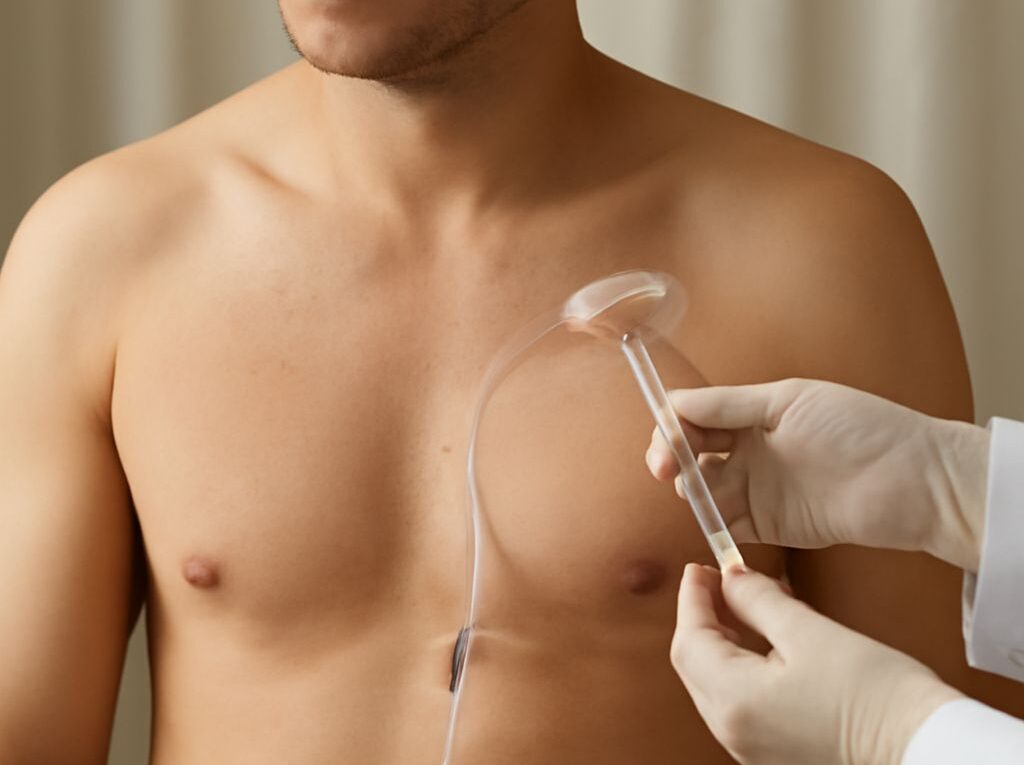
Understanding Tunneled Central Venous Catheters
A tunneled central venous catheter is a specialized medical device used to provide long-term access to the central venous system. It is commonly used for patients who require frequent intravenous treatments, such as chemotherapy, antibiotics, or nutrition. Understanding what a tunneled catheter is and its benefits can help patients and healthcare providers make informed decisions.
What is a Tunneled Central Venous Catheter?
A tunneled central venous catheter, also known as a tunneled central line, is inserted into a large vein, typically in the neck, chest, or groin, and is tunneled under the skin before entering the bloodstream. This design helps reduce the risk of infection and keeps the catheter securely in place. The external portion of the catheter is used for administering medications, drawing blood, or providing intravenous nutrition.
Why Use a Tunneled Central Line?
The primary reason for using a tunneled central line is to facilitate long-term intravenous therapy. Patients who have chronic conditions requiring regular medication, dialysis, or nutrition can benefit from this device. It offers a stable and reliable access point, reducing the need for repeated needle sticks, which can be both painful and damaging to veins over time.
How Does a Tunneled Central Venous Access Device Work?
The tunneled central venous access device is surgically placed under local anesthesia. The catheter is inserted into the chosen vein and tunneled under the skin to the exit site. The entrance of the catheter into the vein is often secured with a cuff that promotes tissue growth, anchoring the catheter and minimizing the risk of infection. Once in place, the device can be used for various therapies, allowing medical staff to deliver treatments directly into the bloodstream efficiently.
Benefits and Considerations
One of the main benefits of a tunneled central venous catheter is its ability to provide consistent and long-term access to the central venous system. This is particularly beneficial for patients with conditions such as cancer, renal failure, or gastrointestinal disorders requiring ongoing intravenous support.
- Reduced Risk of Infection: The tunneling process and the use of a cuff help in lowering the risk of infection compared to non-tunneled lines.
- Comfort and Convenience: For patients needing frequent access to their veins, this device can significantly enhance comfort and reduce the need for multiple needle insertions.
- Secure and Durable: The design of the catheter makes it secure and less prone to accidental removal, making it suitable for long-term use.
However, there are considerations to keep in mind, such as the potential for complications during insertion and the need for regular maintenance to ensure the catheter remains functional and infection-free. Patients must be educated on caring for their catheter to prevent complications.