Exploring Different Types of Bandages
Bandages are essential components of any first aid kit, serving various purposes from wound protection to injury support. Understanding the different types of bandages available can aid in proper selection and application, ensuring optimal care in various situations.
Understanding Basic Types of Bandages
Several types of bandages are commonly used in everyday medical care. These include:
- Gauze Bandages: These are versatile and can be used to cover wounds, absorb fluids, and protect against infection. Available in rolls, they can be easily cut to size.
- Elastic Bandages: Often used to provide support and reduce swelling, elastic bandages are commonly wrapped around sprained or strained joints.
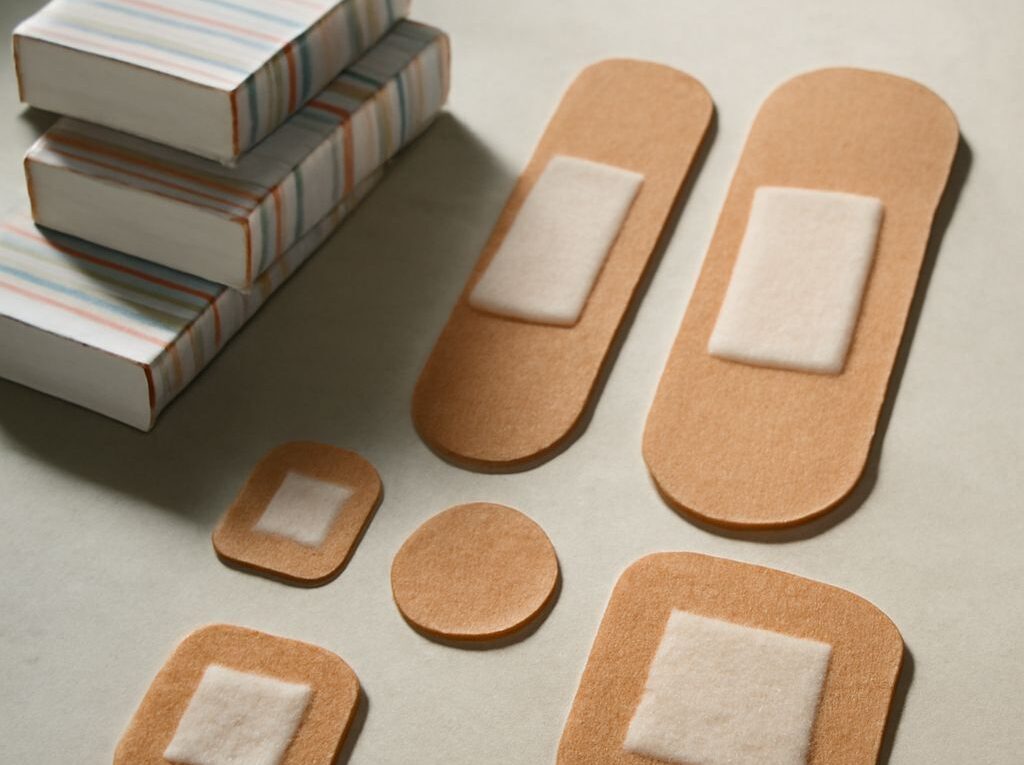
- Adhesive Bandages: Also known as “Band-Aids,” these are small, flexible bandages used for minor cuts and abrasions. They come with an adhesive backing and a small piece of gauze in the center.
- Triangular Bandages: These are large, triangular-shaped pieces of cloth used as slings or to hold splints in place. They are versatile and useful in various emergency situations.
Specialty Bandages for Specific Needs
In addition to basic bandages, specialty bandages are designed for particular medical needs:
- Hydrocolloid Bandages: These are used for blisters, burns, and ulcers. They help maintain a moist healing environment, which can speed up recovery.
- Compression Bandages: These are designed to apply pressure to control swelling and improve blood flow. They are often used in managing venous leg ulcers.
- Occlusive Bandages: These are waterproof and airtight, used to protect wounds from bacteria and other contaminants.
- Tube Bandages: These are used to provide even pressure around the limb, often used for securing dressings or offering light support.
Choosing the Right Bandage for the Situation
Selecting the appropriate bandage involves considering the type and severity of the injury. Key factors include:
- Wound Type: For minor cuts, adhesive bandages are suitable. For larger wounds, gauze with an adhesive tape or an occlusive bandage might be more appropriate.
- Location: Joints may require elastic bandages to allow movement, while blisters might benefit from hydrocolloid bandages.
- Purpose: If immobilization is needed, such as with a fracture, triangular bandages can be used as slings. For edema, compression bandages can help manage swelling.
Understanding these various bandage types enables more informed choices, ensuring that each situation is handled with the most effective solution available.