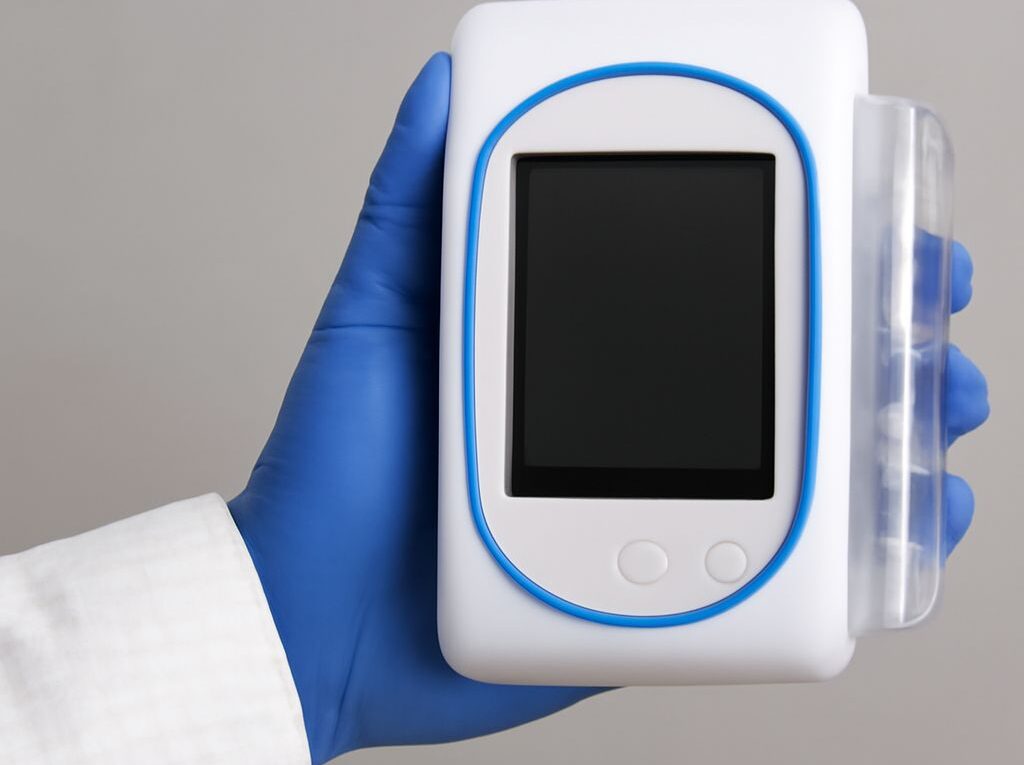
Understanding Infusion Pumps and Intermittent Infusion Devices
In the world of medical technology, understanding the tools used for patient care is essential. Infusion pumps and intermittent infusion devices are two critical components in administering medications and fluids. This article delves into their functions, differences, and roles in medical dispatch operations.
What is an Infusion Pump?
An infusion pump is a medical device used to deliver fluids, such as nutrients and medications, into a patient’s body in controlled amounts. The device offers precise control over the flow rate and volume, making it essential for administering drugs that require exact dosing. Infusion pumps are typically used in hospitals, outpatient settings, and home care to deliver continuous or intermittent doses of medication.
There are various types of infusion pumps, including volumetric pumps, syringe pumps, and elastomeric pumps, each suited for different medical needs. Volumetric pumps are often used for high-volume infusions, while syringe pumps are ideal for low-volume medications. Elastomeric pumps, on the other hand, offer flexibility for home-based treatments.
Exploring Intermittent Infusion Devices
Intermittent infusion devices, also known as intermittent infusion sets, are used to administer drugs or fluids at intervals rather than continuously. These devices are particularly useful for treatments that do not require a constant flow of medication. An intermittent infusion device allows for the administration of medication on an as-needed basis, often for antibiotics or chemotherapy treatments.
One of the primary advantages of intermittent infusion devices is their ability to reduce medication waste and minimize patient discomfort by allowing breaks between doses. These devices are commonly used in both hospital settings and at home for treatments that do not necessitate constant monitoring.
Key Differences Between the Two Devices
While both infusion pumps and intermittent infusion devices serve to deliver medications and fluids, their applications and functionalities differ significantly. The primary distinction lies in the delivery method. Infusion pumps provide continuous or precisely timed infusions, whereas intermittent infusion devices allow for non-continuous dosing.
Infusion pumps are more suitable for critical care scenarios where precise medication control is essential, such as in intensive care units. In contrast, intermittent infusion devices are preferred when treatment can be administered in intervals, offering greater flexibility and patient comfort.
Applications in Dispatch Operations
In medical dispatch operations, both infusion pumps and intermittent infusion devices play vital roles. Infusion pumps are crucial for ensuring that patients receive steady medication doses during transport or when precise medication control is necessary. They help maintain consistent therapeutic levels even in transit.
Intermittent infusion devices, on the other hand, allow for more flexible scheduling of medication administration. This flexibility is particularly beneficial in scenarios where patients require intermittent dosing without constant supervision, reducing the workload on medical personnel in dispatch settings.
Overall, the choice between an infusion pump and an intermittent infusion device depends on the specific medical requirements, the patient’s condition, and the setting in which care is provided. Understanding these devices’ functionalities ensures better patient care and optimized resource use in medical environments.