How to Certify a Service Dog: A Step-by-Step Guide
Certifying a service dog is a process that involves meeting clear legal standards, understanding the specific needs for documentation, and ensuring the dog is properly identified in public situations. While there is no universal government-issued certification in the United States, following the right steps helps ensure your service dog is recognized and protected under the law. This guide explains exactly how to certify a service dog and what is required for proper service dog identification.
What Qualifies as a Service Dog?
To be recognized as a service dog, an animal must be individually trained to perform specific tasks that assist a person with a disability. Under the Americans with Disabilities Act (ADA), service dogs can help with a variety of disabilities, including physical, sensory, psychiatric, intellectual, or other mental disabilities. Examples of qualifying tasks include guiding individuals who are visually impaired, alerting people who are deaf, pulling a wheelchair, retrieving dropped items, or reminding a person to take medication.
Emotional support animals, therapy dogs, and companion animals do not qualify as service dogs under the ADA, as they are not individually trained to perform tasks related to a disability. The key distinction is task-based support directly related to the handler’s disability. Any breed of dog can be a service dog, but the animal must be under control, housebroken, and able to behave appropriately in public settings.
Understanding this definition is important, as misrepresenting a pet as a service animal can lead to legal consequences and undermines access rights for legitimate handlers and their dogs.
What You Need to Certify a Service Dog
There is no federally required certificate or registration for service dogs in the United States. The ADA does not recognize or require official certification, registration, or ID cards. However, certain documents and training evidence can help prove your dog’s status if challenged, especially in situations involving housing or air travel.
Essentially, you will need:
- Documentation from a healthcare provider stating that you have a disability and benefit from a service dog (not required under the ADA, but sometimes needed for housing or travel)
- Proof of your dog’s specialized training to perform tasks related to your disability (training logs, certificates from a trainer, or video evidence)
- Proof of vaccinations and regular veterinary care
While some online services offer “service dog certificates” or registration, these are not recognized under federal law and are not required. What truly matters is documented evidence of your dog’s training and your requirement for a service animal.
Some states or municipalities might have additional requirements for public access, so it’s important to check local laws.
Easy Steps to Certify Your Service Dog
Certifying your service dog involves a series of practical steps to ensure the dog meets the standards and will be recognized by businesses, landlords, and airlines:
- Obtain a Diagnosis: Consult with a licensed healthcare provider to confirm your disability and discuss how a service dog can assist you.
- Select and Train Your Dog: Choose a dog with suitable temperament and begin or arrange specialized training. Training can be self-directed or completed with a professional trainer, but must result in the dog reliably performing disability-related tasks.
- Document Training: Maintain detailed records of the training process, including logbooks, certificates from trainers, or video demonstrations of task performance.
- Maintain Health Records: Keep current records of vaccinations, regular check-ups, and parasite prevention to show your dog is healthy and safe to be in public.
- Prepare for Public Access: Socialize your dog and train for calm, controlled behavior in various public settings. The dog should be able to ignore distractions and respond confidently to your commands.
- Gather Supporting Documents: Retain any written recommendations or documentation from your healthcare provider, especially for housing or air travel situations where additional questions may arise.
Following these steps ensures your service dog is well-prepared and that you have the necessary documentation to demonstrate the dog’s legitimacy if asked.
Understanding Service Dog Identification
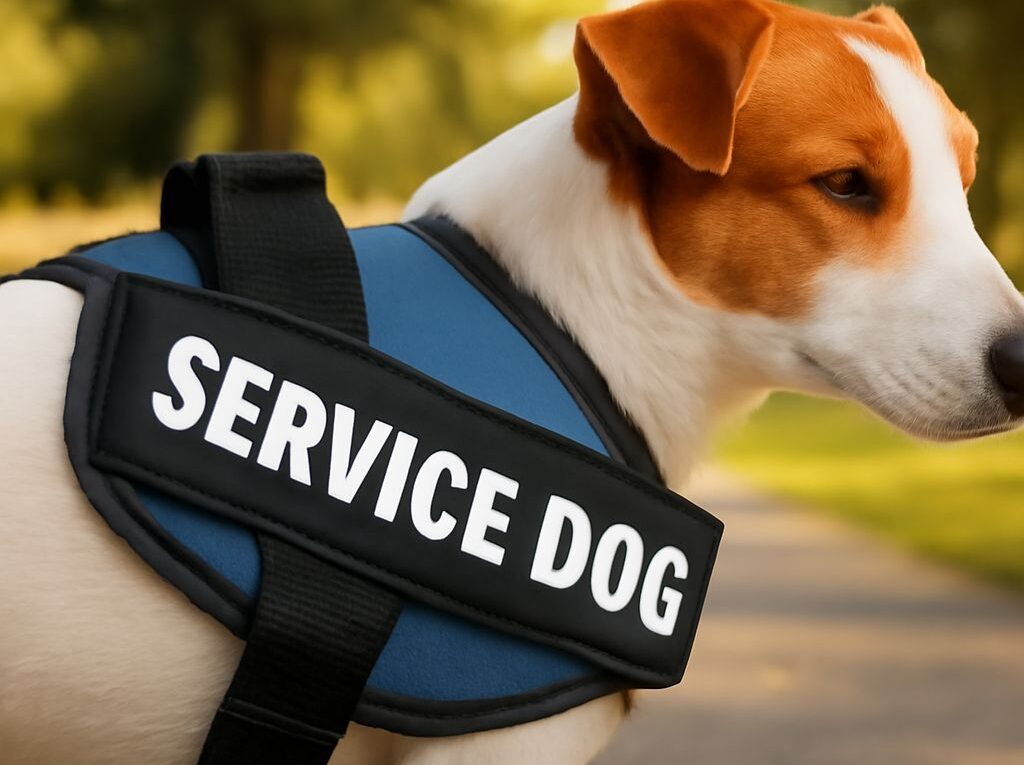
Service dog identification is not required by Federal law; however, many handlers opt to provide clear visual signals, such as vests, ID tags, or harnesses, to avoid confusion and unnecessary questions when accessing public spaces. These items can help staff and the public recognize the dog’s working status, though businesses may still only ask two questions: whether the dog is required because of a disability, and what tasks the dog has been trained to perform.
Legitimate identification items can be purchased through reputable suppliers, but they do not convey legal status. No patch, vest, or ID card takes the place of proper training and the dog’s ability to perform tasks. Handlers should avoid organizations that promise “official certification,” as this has no legal standing in the U.S.
When traveling or seeking housing accommodations, being able to show evidence of training, health records, and, where relevant, a provider’s letter can streamline interactions. Always ensure identification materials are accurate and up-to-date, as false claims or misrepresentations can lead to penalties and jeopardize access for others with service dogs.
Consistent, visible identification and supporting documentation help service dog handlers maintain legal access and foster understanding in public environments, while the foundation always remains the dog’s training and its specific role in mitigating a disability.